

Adopting a senior pet is a rewarding choice that brings loyalty and joy into your life. They often come vaccinated, spayed, or neutered, and their health issues are usually well-managed. These gentle companions tend to be calmer, needing less exercise and enjoying quiet moments with you. While there may be ongoing healthcare costs, many resources support senior pet care. If you want to discover more about the benefits and considerations, keep exploring the options available to give a deserving older pet a loving forever home.
Key Takeaways
- Adopting senior pets provides companionship, gratitude, and a second chance, enriching lives for both pet and owner.
- Senior pets are often vaccinated, spayed, or neutered, reducing initial healthcare costs.
- They usually have established personalities, making it easier to assess compatibility and care needs.
- Health issues may require ongoing medications or vet visits, but many are manageable with proper planning.
- The emotional rewards of giving a loving home often outweigh the costs associated with age-related health considerations.
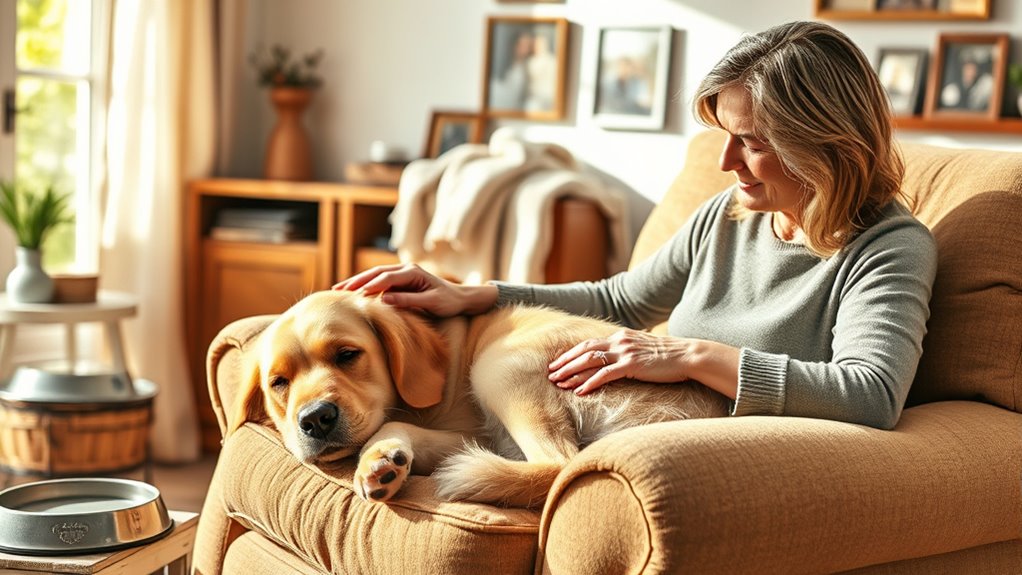
Adopting a senior pet can be one of the most rewarding decisions you make. Not only do you gain a loyal companion, but you also open your heart and home to an animal that truly appreciates a second chance. One of the significant benefits of choosing an older pet is the health benefits associated with adopting senior animals. Many senior pets are already vaccinated, spayed or neutered, and their health issues are often well-managed or diagnosed. This allows you to have a clearer understanding of their needs from the start, making it easier to provide proper care. Additionally, senior pets tend to be less energetic than puppies or kittens, which can translate to a calmer household and less demanding daily routines. Their more relaxed nature means they’re often content with shorter walks, cozy naps, and quiet companionship—perfect for someone looking for a more laid-back pet.
When considering adopting a senior pet, understanding the adoption process is vital. The process usually involves filling out an application, providing references, and sometimes participating in an interview or home visit. Shelters and rescue organizations want to ensure their animals go to loving, responsible homes. You may also be asked about your lifestyle, experience with pets, and how you plan to care for an older animal. Many shelters prioritize senior pet adoptions, recognizing that these animals often face longer stays and need extra encouragement to find homes. Once approved, you’ll meet the pet and learn about their personality, preferences, and health history, which helps you prepare for the transition. This process not only guarantees a suitable match but also reassures you that you’re making an informed decision.
Adopting a senior pet often comes with fewer surprises compared to young animals, as their personalities are typically well-established. You’ll likely discover their habits, quirks, and comfort needs early on, making it easier to integrate them into your life. While it’s true that senior pets might require ongoing health care or medications, many owners find that the emotional rewards far outweigh these considerations. Plus, many organizations offer support and resources to help manage any age-related health issues. The adoption process, though sometimes detailed, is designed to ensure both you and the pet are prepared for a successful relationship. In the end, choosing to adopt a senior pet means embracing a loving, grateful companion while making a meaningful impact in their life—and yours.
Frequently Asked Questions
How Do I Assess a Senior Pet’s Health Before Adoption?
Think of a senior pet as a worn but treasured book, full of stories. To assess their health, start with a thorough vet check focusing on geriatric health issues like arthritis or organ function. Observe their mobility—can they walk comfortably or show signs of stiffness? Ask about their medical history and medications. This approach helps you understand their needs and guarantees you’re prepared to give them the care they deserve.
What Special Dietary Needs Do Senior Pets Typically Have?
Senior pets often need special dietary considerations, like nutritional supplements to support joint health or organ function. You should establish special feeding routines, such as smaller, more frequent meals, to prevent digestive issues. Consult your vet for tailored advice, ensuring your pet gets the right balance of nutrients. By paying attention to these needs, you help maintain their health and comfort during their golden years.
Are There Age-Related Behavioral Issues to Consider?
Yes, you might notice age-related behavioral issues in senior pets, like increased anxiety or decreased activity. These behavioral changes often require training adjustments, patience, and understanding. You’ll need to tailor your approach, using gentle reinforcement and consistent routines, to help your pet feel secure and comfortable. Recognizing these signs early lets you address them effectively, ensuring your senior pet remains happy and well-adjusted in their golden years.
How Can I Ensure a Comfortable Environment for an Aging Pet?
To guarantee a comfortable environment for your aging pet, focus on pet proofing safety by removing hazards and providing easy access to essentials. Use comfort-focused bedding to support their joints and keep them cozy. Maintain a consistent routine and regulate room temperature for their comfort. Regularly check their surroundings for sharp objects or obstacles, and offer gentle encouragement. Your attentive care creates a safe, warm space they’ll love.
What Long-Term Financial Commitments Are Involved in Senior Pet Care?
You should expect ongoing vet bills and medication costs when caring for a senior pet. Regular check-ups, diagnostic tests, and potential treatments can accumulate, so budget accordingly. Many older pets need medications for conditions like arthritis or heart issues, which can be costly over time. Planning for these expenses helps ensure your pet receives proper care without putting financial strain on you.
Conclusion
Adopting a senior pet is like opening your heart to a seasoned friend—full of love, wisdom, and stories waiting to be shared. While the costs and care may seem intimidating, the rewards far outweigh them. Remember, you’re not just giving a pet a home; you’re giving a loyal companion a second chance at happiness. So, take that leap—you’ll find your life enriched in ways you never imagined.