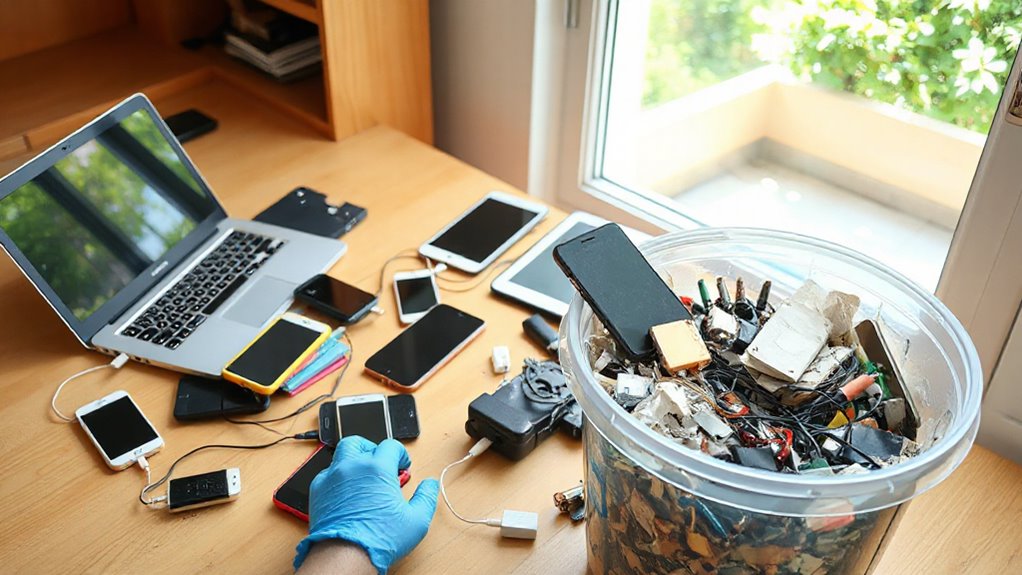

To safely recycle or sell your old electronics, start by wiping all personal data through factory resets or specialized software to protect your privacy. Next, find certified e-waste recycling centers or donate devices to charities to guarantee proper disposal. You can also sell devices through reputable online marketplaces or trade-in programs. Following these steps helps safeguard your information and the environment. Keep exploring for more tips on responsible e-waste management and resale options.

Get your next haul delivered free — and shop member deals
- Fast, free delivery on millions of items
- Access to Prime Big Deal Days deals on October 6–7
- Prime Video, Amazon Music and more included
Key Takeaways
- Backup and securely wipe personal data from devices before selling or recycling.
- Identify certified e-waste recycling centers or authorized collection points in your area.
- Consider refurbishing or repairing devices to extend their lifespan and increase resale value.
- Use reputable online platforms or local trade-in programs to sell or donate your electronics responsibly.
- Follow local regulations and guidelines to ensure environmentally safe disposal and compliance.
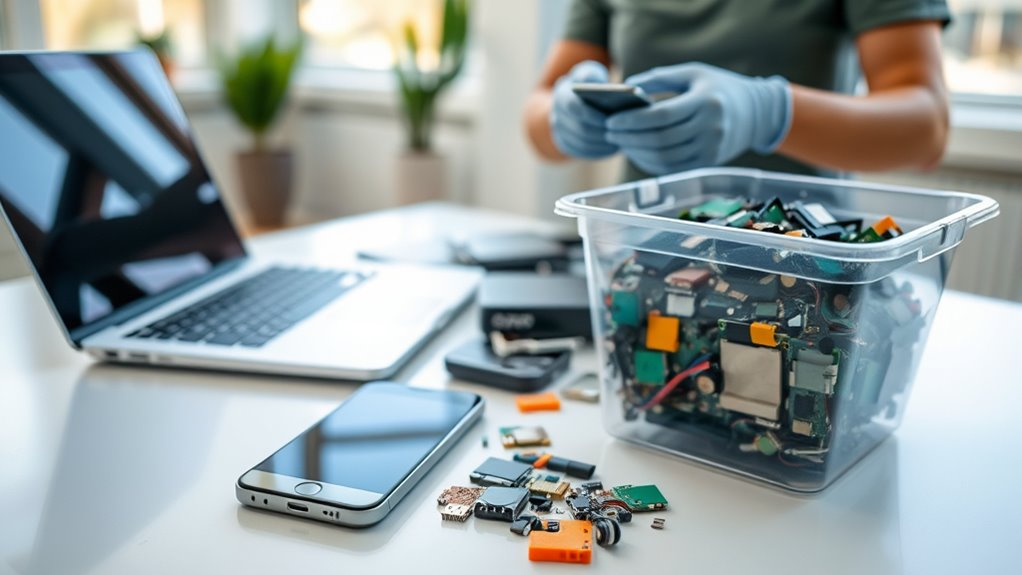
When you have old electronics that no longer serve your needs, recycling or selling them is a smart way to reduce waste and recover some value. Proper disposal helps protect the environment and makes certain your devices are handled responsibly. Before you part ways with your gadgets, it’s important to understand E waste regulations. Many countries have strict rules governing how electronic waste must be managed to prevent harmful materials from contaminating landfills and water sources. These regulations often specify how and where you can recycle devices, so check local guidelines to make sure you’re complying. For example, some regions require certified e-waste recyclers or have designated collection centers. Following these rules helps you avoid fines and makes certain your electronics are processed safely and securely.
Proper e-waste disposal protects the environment and ensures responsible handling of old electronics.
If your device is still functional or can be restored, consider smartphone refurbishment. This process involves repairing, cleaning, and updating your old phone so it can be resold or donated. Smartphone refurbishment is a sustainable option that extends the life of your device, reduces e-waste, and often provides you with some cash or a new user. You can do it yourself if you’re tech-savvy, or take it to a professional refurbisher who specializes in restoring smartphones. Many companies buy refurbished phones, offering you a straightforward way to make money while making certain your device doesn’t end up in a landfill. Plus, refurbished phones go through rigorous testing to meet quality standards, giving new users confidence in their purchase.
When you’re ready to sell, you have several options. Online marketplaces like eBay, Swappa, or dedicated resale sites make it easy to reach a broad audience. Be honest about your device’s condition and include clear photos to attract buyers. Alternatively, local buy-and-sell groups or trade-in programs offered by electronics retailers or manufacturers can simplify the process. These programs often provide instant quotes and hassle-free shipping options. If your device isn’t worth much, consider donating it to charitable organizations or schools that accept old electronics. Donating is a responsible choice that helps bridge the digital divide and benefits communities that need technology.
Always wipe your personal data before selling or recycling your device. Perform a factory reset or use specialized software to make certain your private information stays secure. This step is essential, especially if you’re selling or giving away your device. Additionally, understanding sauna build considerations and proper ventilation can ensure your space remains safe and comfortable if you are incorporating heat sources or equipment related to electronics in your environment. By following these tips—adhering to e-waste regulations, exploring refurbishment, and choosing responsible disposal options—you turn a potentially wasteful situation into an environmentally friendly and financially beneficial one. Your old electronics have value, and with a little effort, you can make certain they’re disposed of safely and ethically.
Frequently Asked Questions
Are There Any Legal Restrictions on Selling Certain Electronics?
Yes, there are legal restrictions on selling certain electronics. You need to confirm legal compliance by checking certification requirements, such as safety standards and environmental regulations. Some devices, like smartphones or tablets, may require specific certifications or approvals before resale. Failing to meet these legal standards can lead to fines or legal action. Always verify local laws and manufacturer guidelines to ensure you’re selling electronics legally and responsibly.
How Do I Verify a Recycling or Selling Company’s Legitimacy?
Remember, trust but verify. To check if a recycling or selling company is legit, start by looking for company accreditation from recognized organizations. Then, read customer reviews to gauge their reputation and reliability. You can also visit their website for transparent policies and contact information. If they have proper credentials and positive feedback, you’re more likely to protect your electronics and personal data.
Can I Recycle Electronics With Minor Damages or Defects?
Yes, you can recycle electronics with minor damages or defects through defect recycling programs or facilities that accept damaged devices. These programs often handle electronics that aren’t fully functional, ensuring harmful materials are safely processed. Before recycling, check if the company explicitly states they accept minor damages, and remove any personal data. Recycling with minor damages helps prevent environmental harm while giving your electronics a responsible second life.
What Are the Environmental Benefits of Proper E-Waste Disposal?
Proper e-waste disposal markedly reduces the environmental impact of electronic waste. When you recycle electronics responsibly, you prevent hazardous materials like lead and mercury from polluting soil and water. This helps protect ecosystems and human health. By recycling, you also recover valuable materials, reducing the need for new resource extraction. Your actions make a difference, ensuring electronic waste doesn’t harm the environment while promoting sustainable use of resources.
How Do I Ensure My Personal Data Is Completely Erased?
Imagine your personal data as a fortress; you must break down its walls to protect your privacy. To guarantee complete erasure, perform thorough data wiping using reputable software tailored for your device. Confirm that all files, partitions, and caches are deleted. Remove any storage devices if possible. This proactive approach guarantees your privacy protection, leaving no room for recovery and safeguarding your personal information from falling into the wrong hands.
Conclusion
By choosing to recycle or sell your old electronics responsibly, you’re not just freeing up space—you’re also protecting the planet’s future. Think of your devices as stories waiting to be passed on or reborn, rather than discarded. Every small action you take can create ripples of change, turning waste into opportunity. So, why not be the hero in this story? Make the smart choice today and give your electronics a second chance at life.
Fall Picks
fall essentials
As an affiliate, we earn on qualifying purchases.