
To determine if a tankless water heater fits your home, start by evaluating your hot water demand—consider how many bathrooms or residents you have, and calculate the flow rate needed during peak use. Check if your current electrical or gas setup supports the unit, and ensure there’s enough space for installation and maintenance. Properly matching the unit to your infrastructure can save money and energy. Keep exploring to find out how to make the perfect choice for your home.
Open a free Amazon Business account
Business pricing, bulk buying and tax-exempt orders.
As an affiliate, we earn on qualifying purchases.
Key Takeaways
- Assess your household’s hot water demand by calculating peak flow rates in gallons per minute (GPM).
- Check if your home’s plumbing and electrical or gas systems are compatible with a tankless unit.
- Determine available space and accessibility for installation and maintenance of the unit.
- Consider whether your existing infrastructure needs upgrades, such as dedicated circuits or venting.
- Evaluate long-term savings and costs to ensure the unit’s capacity aligns with your household’s usage.
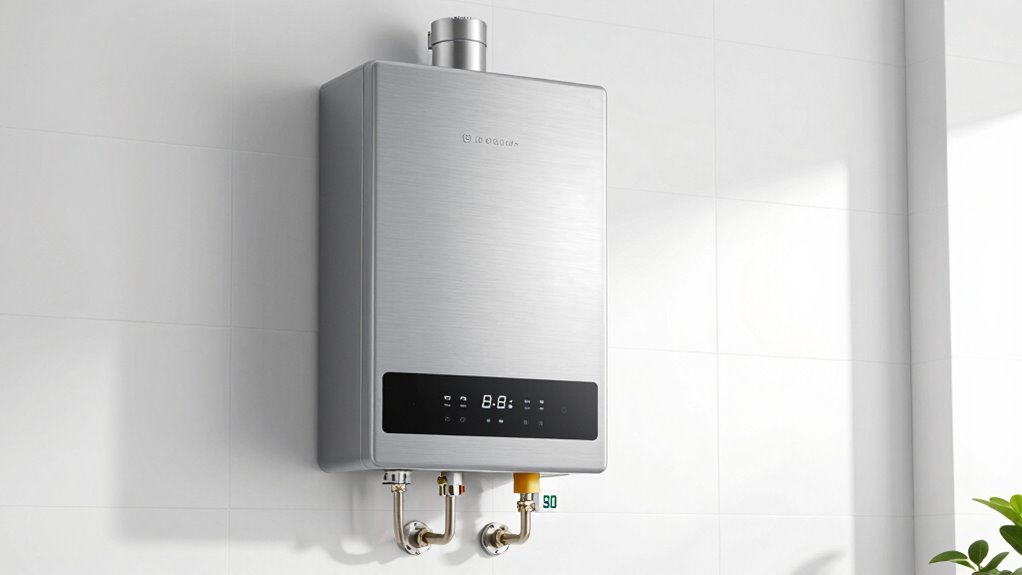
Are tankless water heaters are a good fit for your home? If you’re considering an upgrade to more energy-efficient appliances, this is a question worth exploring. Tankless water heaters, also called on-demand units, heat water only when you need it, which can substantially reduce energy consumption compared to traditional tank models. Their energy efficiency stems from this on-demand operation, meaning you’re not constantly heating and reheating a reservoir of water. Instead, hot water is produced instantly as it flows through the unit, which can lower your utility bills over time. However, before jumping in, it’s essential to evaluate whether your home’s plumbing and electrical setup can support a tankless system. Installation requirements vary, and understanding them helps avoid surprises and guarantees the unit functions efficiently.
Tankless water heaters save energy by providing hot water on demand, reducing utility bills and increasing efficiency.
First, you’ll want to assess your home’s hot water demand. Tankless heaters are excellent for small households or homes with low simultaneous hot water needs. If you have multiple bathrooms or a large family, you might need a larger capacity unit or multiple units to meet demand. This involves calculating the flow rate, typically measured in gallons per minute (GPM), that your household requires during peak usage. Knowing this helps you select a unit that delivers consistent hot water without frustration. Additionally, considering the installation requirements and how they relate to your home’s existing infrastructure can help you make an informed decision about whether a tankless system is right for you. It’s also beneficial to evaluate the energy efficiency benefits, which can significantly impact your long-term savings. Understanding the initial costs and potential rebates can further assist in making a financially sound choice.
Next, consider the installation requirements. Unlike traditional water heaters, tankless models often demand dedicated electrical circuits, especially for electric units. Gas-powered models, on the other hand, require proper venting and sufficient gas supply. You may need to upgrade your existing electrical system or install new venting if your current setup isn’t compatible. These modifications can add to the initial cost and installation time but are critical for safety and efficiency. It’s advisable to consult a professional plumber or HVAC technician to evaluate your home’s infrastructure and ensure the unit you choose can be installed correctly. Proper space and location are also important considerations, as tankless water heaters are compact and can be wall-mounted, but they still require accessibility for maintenance and servicing.
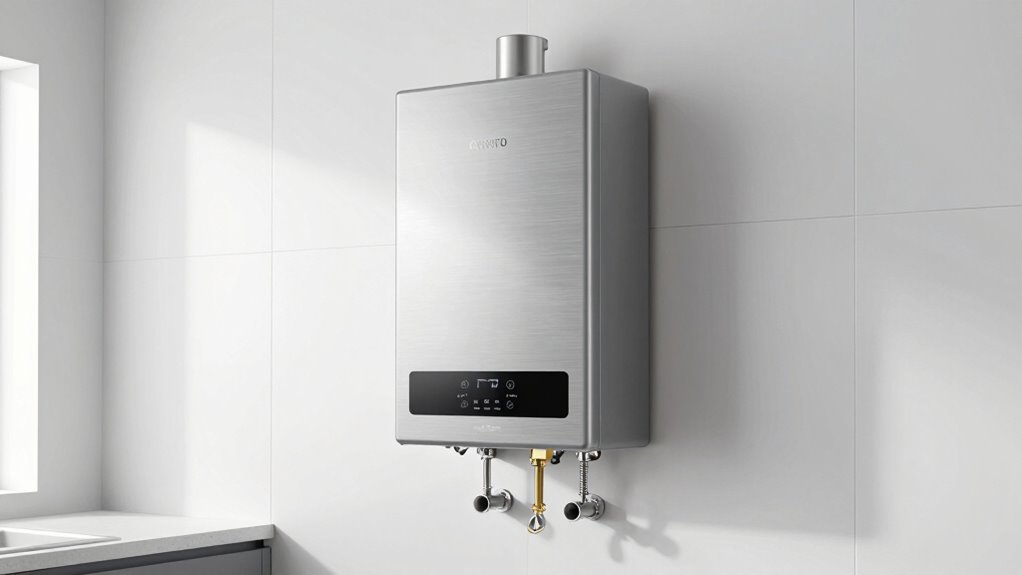
tankless water heater for small household
As an affiliate, we earn on qualifying purchases.
As an affiliate, we earn on qualifying purchases.
Frequently Asked Questions
What Is the Average Lifespan of a Tankless Water Heater?
A tankless water heater typically lasts around 20 years, making it a durable choice for your home. During this time, you’ll enjoy energy savings because it heats water on demand, reducing waste. Be aware of potential installation challenges, especially in older homes, which might affect longevity. Proper maintenance guarantees you get the most out of your heater’s lifespan and keeps your energy efficiency high.
How Much Does Installation Typically Cost?
Installation typically costs between $1,000 and $3,000, depending on your home’s setup. Imagine a small, sleek unit replacing a bulky traditional heater—cost considerations include not just the device but also potential upgrades to your home’s electrical or gas lines. Be aware of installation challenges; some homes require extensive plumbing or electrical work, which can add to expenses. Planning ahead helps make certain your tankless system fits seamlessly and saves you money long-term.
Are Tankless Water Heaters Energy-Efficient?
Yes, tankless water heaters are highly energy-efficient because they heat water only when needed, leading to significant energy savings. This reduces your utility bills and minimizes environmental impact by lowering energy consumption. You’ll notice less standby heat loss compared to traditional models. If you want to cut costs and be eco-friendly, a tankless water heater can be a smart choice, offering efficient and sustainable hot water for your home.
Can a Tankless Heater Supply Hot Water to Multiple Bathrooms?
You can definitely supply hot water to multiple bathrooms with a tankless heater, thanks to its impressive water flow capacity. However, keep in mind that during peak usage, a cold water fallback might occur if the unit’s capacity isn’t quite enough. To avoid surprises, consider your home’s hot water demands carefully, and choose a model with sufficient flow rate, ensuring everyone gets a warm shower without interruptions.
What Maintenance Is Required for a Tankless Water Heater?
You need to perform regular system maintenance on your tankless water heater, including flushing it annually to prevent mineral buildup. This helps with scale prevention, guaranteeing efficient operation and prolonging its lifespan. Check and clean the filter periodically, and inspect the venting system for blockages. Keeping up with these maintenance tasks ensures your heater runs smoothly, maintains peak performance, and reduces the risk of costly repairs down the line.
electric tankless water heater with high GPM
As an affiliate, we earn on qualifying purchases.
As an affiliate, we earn on qualifying purchases.
Conclusion
Choosing the right tankless water heater is like finding the perfect puzzle piece—you need it to fit just right. By understanding your hot water needs, checking your home’s flow rate, and considering installation space, you can confidently see if a tankless unit is your home’s missing piece. Once it fits, you’ll enjoy endless hot water and energy savings, turning your home into a well-oiled machine that runs smoothly and efficiently.
gas tankless water heater venting kit
As an affiliate, we earn on qualifying purchases.
As an affiliate, we earn on qualifying purchases.
tankless water heater installation kit
As an affiliate, we earn on qualifying purchases.
As an affiliate, we earn on qualifying purchases.
Labor Day sales Picks
labor day deals
As an affiliate, we earn on qualifying purchases.