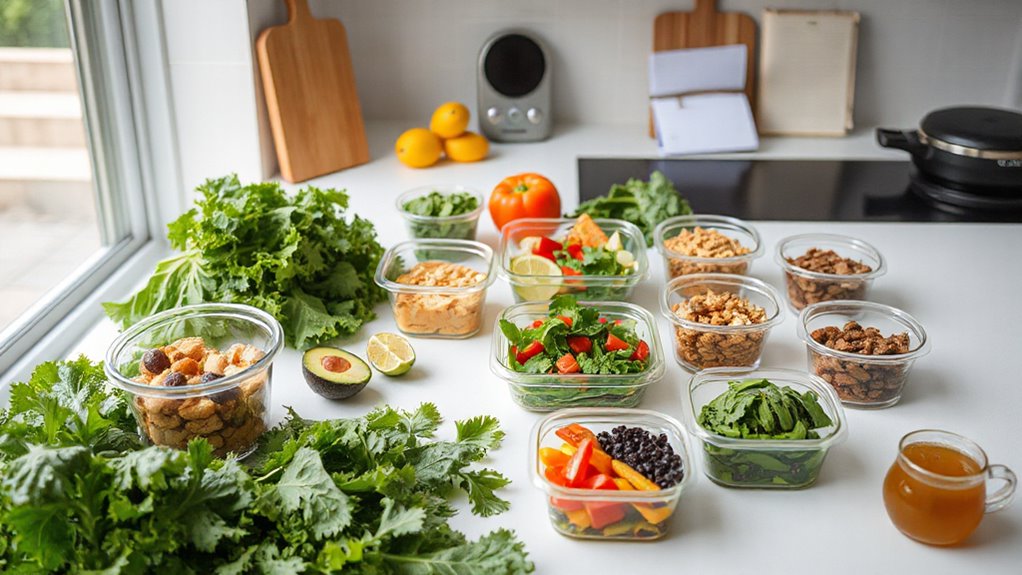

Adopting keto, paleo, or fasting can help lower your grocery bills by encouraging meal planning, buying in bulk, and cooking at home. These diets emphasize nutrient-dense, affordable ingredients, reduce food waste, and cut out costly takeout. Fasting limits your eating window, reducing overall food costs even further. Staying disciplined with your meal prep and shopping strategies can maximize savings. Want to uncover more tips on making these diets budget-friendly? Keep going for practical advice that pays off.
Key Takeaways
- Meal planning and bulk buying reduce food waste and grocery costs across keto, paleo, and fasting diets.
- Preparing meals at home cuts restaurant expenses and helps control portion sizes, saving money.
- Fasting decreases overall food intake, leading to fewer grocery purchases and lower food expenses.
- Focusing on affordable, versatile ingredients and shopping sales optimize diet-specific grocery budgets.
- Batch cooking and leftovers minimize shopping frequency and waste, enhancing cost-efficiency for these diets.
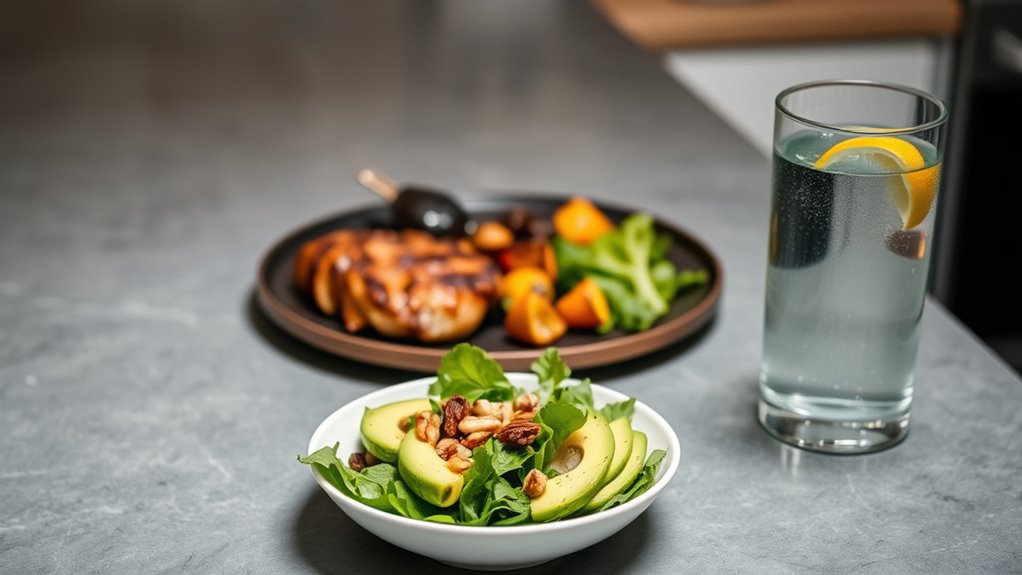
Have you ever wondered how your diet choices impact your budget? Many people assume that trendy diets like keto, paleo, or fasting are expensive, but with the right approach, they can actually help you conserve money. The key lies in meal prep and smart grocery budgeting. When you plan your meals ahead of time, you not only reduce food waste but also avoid impulse buys that often inflate grocery bills. With a clear plan, you can focus on buying ingredients that are versatile, affordable, and aligned with your diet goals. For example, keto diets emphasize high-fat, low-carb foods, which can be economical if you buy in bulk—think eggs, nuts, and affordable cuts of meat—and prep meals in advance. When you portion meals ahead of time, you prevent overbuying and minimize the temptation to eat out, saving money in the long run.
Similarly, paleo diets encourage whole, unprocessed foods like vegetables, meats, and nuts. These ingredients, when purchased in bulk or during sales, can be economical. Preparing these foods at home allows you to control portion sizes and avoid expensive restaurant meals. Meal prep becomes a powerful tool here because it ensures you have nutritious options ready and reduces the likelihood of grabbing costly takeout when hunger strikes. Plus, by sticking to a grocery budget plan, you can hunt for sales on paleo-friendly staples, making your diet less of a financial burden. Additionally, understanding contrast ratio and its impact on visual quality can help you select better tools for meal prep stations or kitchen projectors if you want to watch cooking tutorials in high quality while preparing your meals.
Fasting, especially intermittent fasting, might seem like it saves money because you eat fewer meals, but it also promotes better grocery budgeting. When you limit your eating window, you naturally buy less food, which cuts down your grocery expenses. Preparing larger, nutrient-dense meals during your eating periods can stretch your budget further—buy ingredients in bulk, cook in batches, and store leftovers for future meals. This reduces the number of shopping trips and minimizes waste, both of which help your wallet. Plus, fasting can cut down on unnecessary snack purchases and eating out, further trimming your food costs.
Frequently Asked Questions
Do Keto, Paleo, or Fasting Diets Require Expensive Specialty Foods?
No, keto, paleo, and fasting diets don’t always require costly superfoods. You can stick to affordable, whole ingredients like eggs, vegetables, and lean meats instead of expensive specialty foods. Dining out can be budget-friendly too, if you choose simple, healthy options and avoid costly superfoods on menus. Focus on whole, fresh ingredients, and you’ll save money while still following these diets effectively.
How Do Diet Trends Affect Long-Term Grocery Shopping Costs?
Imagine your grocery bill as a garden that blooms or withers based on your choices. Long-term, diet trends shape your meal planning and dining out habits, often leading to higher costs with specialty ingredients or limited options. Sticking to adaptable, whole foods can keep costs steady, while trendy diets might make your shopping trips feel like chasing a mirage. Balance your goals to prevent your wallet from withering away.
Are There Budget-Friendly Alternatives Within These Diet Plans?
Yes, you can find budget-friendly options within these diets by focusing on meal prep and bulk buying. Planning your meals ahead allows you to buy ingredients in larger quantities, saving money and reducing waste. Choose cheaper, versatile staples like eggs, canned goods, and seasonal vegetables. Preparing meals in advance helps you stick to your diet and budget, making it easier to maintain your health goals without overspending.
Can Intermittent Fasting Reduce Overall Food Expenses?
Yes, intermittent fasting can reduce your overall food expenses. By planning your meals carefully and practicing food substitution, you eat fewer meals overall, which lowers grocery bills. Skipping meals or limiting eating windows means you buy less food and avoid unnecessary snacks. Focus on affordable, nutrient-dense ingredients, and get creative with meal planning to maximize savings while maintaining a balanced diet.
Do These Diets Lead to Hidden Costs, Like Supplements or Special Ingredients?
In the age of dial-up internet, you might find hidden costs in these diets. They often require diet plan customization with supplements or special ingredients, which can add up. Plus, social eating challenges might tempt you to splurge on pricey foods to stick to your plan. You could end up spending more than expected, making these diets less budget-friendly than they seem. Stay mindful of these potential extra expenses.
Conclusion
While it might seem like sticking to keto, paleo, or fasting could be pricey, they can actually save you money if you plan wisely. Think of it like grocery shopping with a list—you avoid impulse buys and reduce waste. By focusing on whole, unprocessed foods, you cut out expensive takeouts and snacks. So, yes, these diets can help your wallet and your health—just stay organized and mindful of your shopping habits.