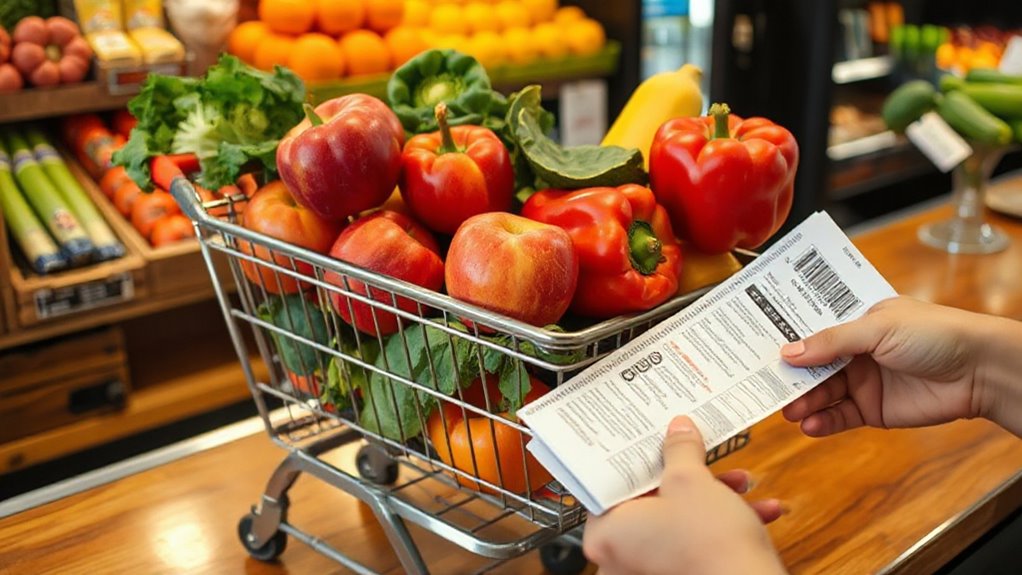

To cut your grocery bill in half, plan your meals based on family preferences and check what you already have. Use coupons—both paper and digital—by stacking store and manufacturer deals and shopping during sales. Buy staples in bulk and shop at multiple stores for the best deals. Keep an organized system for coupons and track discounts. Stay disciplined with your shopping habits, and you’ll find many ways to save more—more tips await as you continue.
Key Takeaways
- Combine store and manufacturer coupons, especially during sales, for maximum discounts on groceries.
- Plan weekly meals using existing ingredients to minimize unnecessary purchases and reduce waste.
- Shop at multiple stores to access better deals, discounts, and exclusive coupons on staples and frequently used items.
- Buy in bulk non-perishables and store discounted staples for long-term savings.
- Use digital coupons and sale flyers to identify and leverage the best deals before shopping.
Are you looking for ways to cut your grocery bills without sacrificing quality? If so, mastering some simple strategies can make a big difference in your monthly expenses. One of the most effective methods is meal planning. When you plan your meals ahead of time, you can buy only what you need, avoiding impulse purchases and reducing food waste. This not only keeps your budget in check but also helps you make healthier choices. Start by listing weekly meals based on your family’s preferences and check what ingredients you already have. This way, you can create a precise shopping list that minimizes unnecessary purchases. Meal planning also allows you to take advantage of sales on staples, which can be stored for future use, further stretching your dollar.
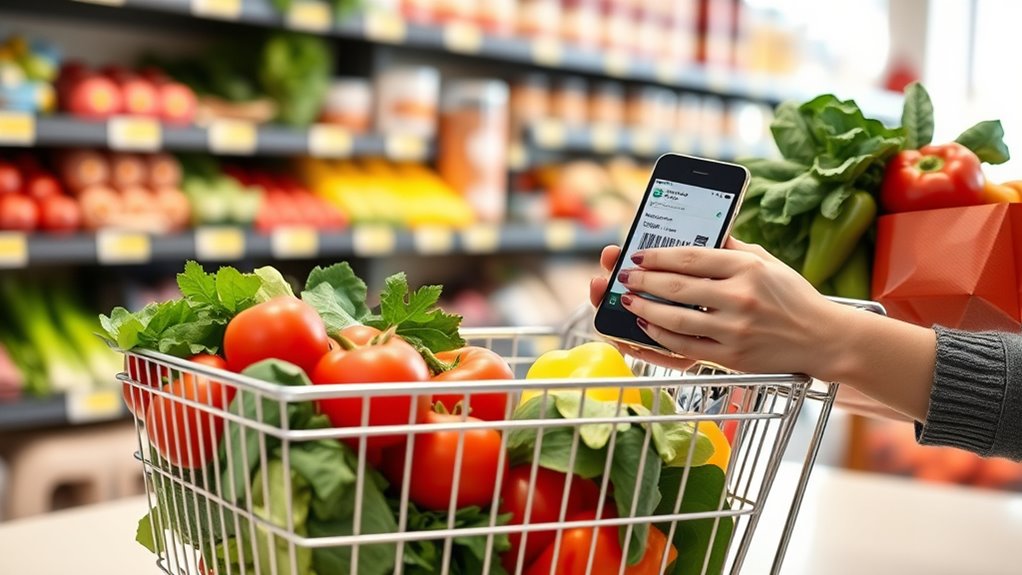
Another powerful tactic is coupon stacking, which involves combining different types of discounts to maximize savings. Many stores now accept both store coupons and manufacturer coupons simultaneously, so you can use them together on a single item. Look out for digital coupons on store apps, printable coupons online, and any coupons that come with your Sunday newspaper. When you plan your shopping trips, match coupons with sale items to get the best deal possible. For example, if a cereal is on sale and you have a manufacturer coupon, you can buy it at a fraction of the regular price. Keep an organized coupon binder or digital folder to track all your discounts, making it easier to spot opportunities to save at checkout.
Additionally, combining coupon stacking with strategic shopping can amplify your savings. Check weekly flyers and digital deals to identify items that are heavily discounted. Buy in bulk when possible, especially on non-perishable goods or items you frequently use. This way, you benefit from discounts over time and reduce the need to shop frequently, which can lead to impulse buying. Also, consider shopping at multiple stores if it’s convenient; each store often has different deals and coupons, so you can maximize your savings by leveraging the best offers available.
Frequently Asked Questions
How Can I Start Saving on Groceries if I Have a Tight Budget?
To start saving on groceries with a tight budget, focus on budget-friendly tips like planning meals around sales and buying in bulk. Use coupon strategies to maximize discounts and reduce costs further. Stick to a shopping list to avoid impulse buys, and choose store brands whenever possible. These simple steps help you keep expenses low while still enjoying nutritious meals, making your grocery budget stretch further each week.
Are There Any Apps That Help Track Grocery Discounts Automatically?
Yes, there are apps that help track grocery discounts automatically. You can use cashback apps like Ibotta or Rakuten, which give you rebates on purchases. Digital coupons are also handy; apps like Honey or coupons.com automatically apply discounts at checkout. These tools save you time and money by effortlessly finding deals and cashback offers, making it easier to stick to your budget while shopping.
What Are the Best Times to Shop for the Biggest Discounts?
You should shop during peak hours, usually early mornings or late evenings, when stores clear out stock and offer last-minute discounts. Also, plan your shopping around holiday sales, which often feature significant markdowns on pantry staples and fresh produce. Keep an eye on weekly flyers and store websites for these deals, and consider shopping during off-peak times for a less crowded experience and better discounts.
How Do I Avoid Impulsive Buying When Grocery Shopping?
To avoid impulsive buying, practice mindful shopping by sticking to a prepared shopping list. Before heading to the store, plan your meals and only buy what’s on your list. Resist the temptation of in-store displays or special offers that aren’t on your list. Take a moment to think about each item’s necessity and your budget. This approach helps you stay focused and reduces unnecessary purchases.
Can Meal Planning Really Save Me More Money Long-Term?
Meal planning is like mapping out a treasure hunt, helping you find savings before you start shopping. It definitely saves you money long-term by reducing waste and unnecessary purchases. Use store loyalty programs to get discounts on bulk buying items you regularly need. Planning meals guarantees you buy only what you’ll use, preventing impulse buys and making every dollar work harder for you.
Conclusion
Now that you know these clever, cost-cutting tricks, you can confidently conquer your grocery costs. With consistent commitment and clever comparisons, you’ll create a cash-conscious kitchen without compromise. Embrace these easy, effective strategies, and watch your savings soar. Say goodbye to overspending and hello to financial freedom. Your frugal future begins today—fuel your focus, fuel your finances, and feel fabulous about your newfound savings!