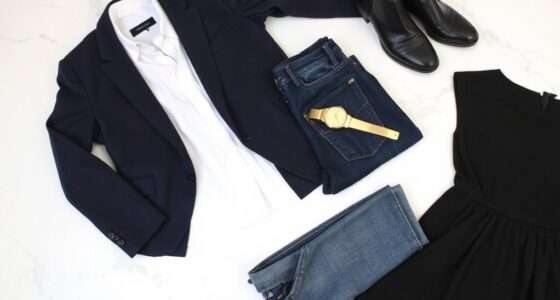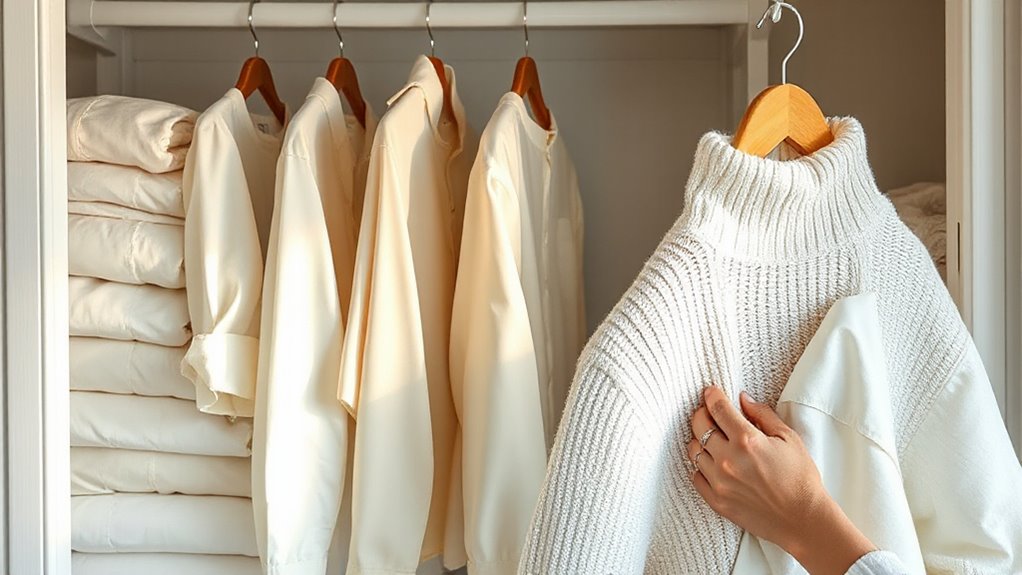

To make your clothes last longer, follow proper laundry techniques, such as choosing the right wash cycle for each fabric and using cold water for delicates. Opt for gentle, hypoallergenic softeners or natural options like vinegar, and avoid overusing them. Don’t overload your machine, treat stains promptly, and dry clothes correctly. Small routine adjustments, like these, help preserve your garments’ color, shape, and quality over time—discover more tips to extend your wardrobe’s lifespan.
Key Takeaways
- Select appropriate washing machine settings based on fabric type and avoid overloading for thorough cleaning.
- Use gentle, suitable fabric softeners and the correct amount to maintain fabric softness and prevent residue buildup.
- Always read care labels and pre-treat stains to prevent damage and extend clothing lifespan.
- Properly dry clothes using suitable methods to prevent damage from excess heat or moisture.
- Practice consistent, mindful laundry routines, including proper sorting, drying, and storage, to preserve clothing quality over time.
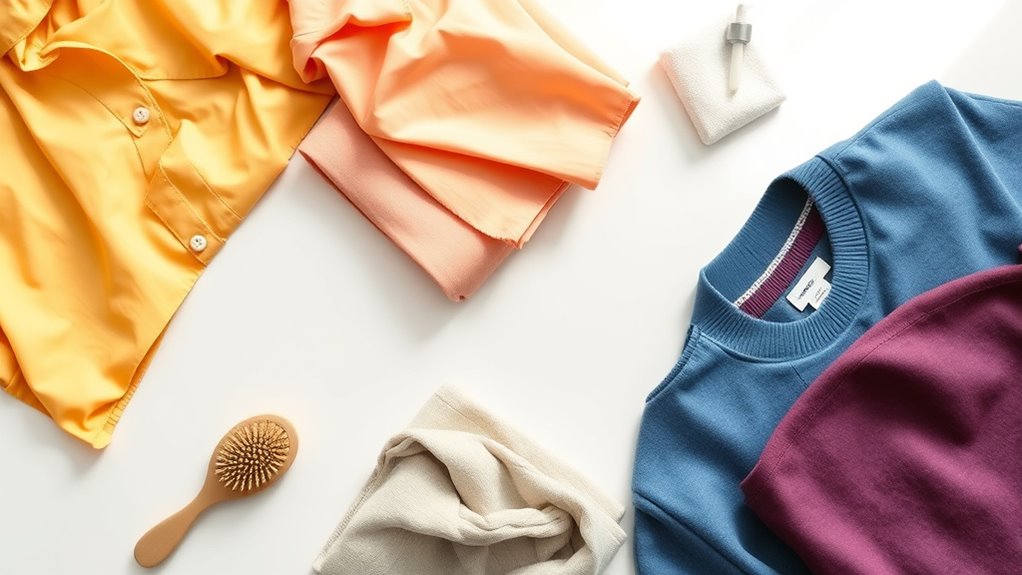
Taking good care of your clothes guarantees they stay looking their best and last longer. One of the simplest ways to do this is by paying attention to your washing machine settings and fabric softener choices. When you load your laundry, select the appropriate cycle for each fabric type. For delicate items like silk or lace, use a gentle cycle with cold water to prevent damage. Heavier fabrics like towels or jeans need a more robust cycle, often with warm or hot water, to thoroughly clean and remove dirt. Adjust the spin speed according to the fabric; a lower spin speed helps reduce wear and tear on delicate clothes, while a higher speed is better for sturdy items. By choosing the right settings, you prevent unnecessary stress on your clothes, helping them retain their shape, color, and quality over time.
When it comes to fabric softeners, your choices can markedly impact the longevity of your clothes. Not all softeners are created equal—some contain chemicals that can weaken fibers or cause buildup, which dulls fabric and reduces lifespan. Opt for gentle, hypoallergenic fabric softeners or natural alternatives like white vinegar, which softens fabric without the harsh chemicals. Be mindful of the amount you use; too much softener can lead to residue accumulation, making clothes feel stiff or slimy and trapping dirt or odors. Using the right amount ensures your clothes stay soft, fresh, and in good condition longer. Also, consider the type of fabric when selecting a softener: lightweight or delicate fabrics benefit from milder options, while sturdier textiles can handle more robust softening agents. Remember, softeners aren’t a substitute for proper washing—combine careful selection with the correct washing machine settings for the best results.
Paying attention to proper laundry techniques can further enhance the durability of your clothes. Taking these simple steps in your laundry routine can make a dramatic difference. Always read the care labels on your clothes to understand the recommended settings and softener compatibility. Pre-treat stains and avoid overcrowding your washing machine, which can lead to incomplete cleaning and fabric stress. When your clothes come out of the wash, hang or fold them promptly to prevent wrinkles and mildew. Proper drying, whether air-drying or using the right dryer settings, also extends their life. By paying attention to washing machine settings and fabric softener choices, you set the foundation for a longer-lasting wardrobe. With consistent care, your clothes will not only look great but also serve you well for many wears to come.
Frequently Asked Questions
Can Dry Cleaning Extend My Clothes’ Lifespan?
Yes, dry cleaning can extend your clothes’ lifespan by removing stains and maintaining fabric integrity with specialized chemical treatments. However, you should consider the environmental impacts, as some dry cleaning processes use chemicals that can harm the environment. To balance care and sustainability, look for eco-friendly dry cleaners or opt for gentle washing methods when possible. This way, your clothes stay looking new longer while reducing your ecological footprint.
How Often Should I Replace My Wardrobe Staples?
Like a trusty sidekick, your wardrobe staples should be replaced every 3 to 5 years, depending on wear and tear. Regular wardrobe rotation helps extend their clothing lifespan, preventing overuse. Keep an eye on fabric damage or fading—those are signs it’s time for a refresh. Don’t wait until your favorite pieces are threadbare; proactive replacement keeps your wardrobe looking sharp and stylish.
Are Natural Fibers More Durable Than Synthetic Ones?
Natural fibers like cotton and wool generally have higher fiber strength and better wear resistance than synthetic fibers such as polyester or nylon. This means they tend to be more durable and resist tearing over time. However, synthetics often resist shrinking and stretching better. Your choice depends on your needs—if you want longevity and durability, natural fibers usually perform better, but synthetics can offer added resilience in specific conditions.
What’s the Best Way to Store Seasonal Clothing?
Imagine your seasonal wardrobe as a treasure chest, waiting to be opened with care. Store your clothing in breathable fabric bags or containers to prevent damage and keep moths at bay. Fold or hang pieces properly, then rotate your clothing to give each item a moment in the spotlight. This thoughtful clothing rotation guarantees your seasonal clothes stay fresh and ready, preserving their beauty for many seasons to come.
Do Laundry Detergents Affect Fabric Longevity?
Laundry detergents can affect fabric longevity, especially if they contain harsh chemicals. Fabric softeners may make your clothes feel softer but can build up over time, weakening fibers. Enzyme cleaners are gentle and effective at removing stains without damaging fabric. To prolong your clothes’ lifespan, choose gentle detergents, avoid excessive use of fabric softeners, and opt for enzyme-based cleaners when needed. This helps keep your clothes looking new longer.
Conclusion
By caring for your clothes, you’re nurturing more than fabric—you’re preserving memories woven into every thread. Picture your favorite shirt, vibrant and soft, still bright after countless washes, or that cozy sweater, wrapping you in warmth season after season. When you treat your clothes with love and attention, you’re ensuring they remain a part of your story, lasting longer like a well-loved book. Keep them cared for, and they’ll continue to serve you beautifully for years to come.