
When it comes to car maintenance, knowing how to handle a few simple tasks can save you a significant amount of money. From oil changes to tire rotations, these easy fixes not only keep your vehicle running smoothly but also boost your confidence as a car owner. You might be surprised at how accessible these repairs are. Let’s explore the common DIY tasks that can help you cut down on those mechanic bills.
Key Takeaways
- Perform regular oil changes every 3,000 miles to maintain engine health and avoid costly repairs.
- Replace wiper blades and fluids for improved visibility during inclement weather, enhancing safety.
- Rotate tires every 5,000 to 7,500 miles to ensure even wear and extend their lifespan.
- Conduct simple repairs, like replacing a side mirror, to save significantly compared to professional services.
- Utilize online tutorials and forums for guidance, building confidence in your DIY maintenance skills.
Understanding Common DIY Car Maintenance Tasks

What common DIY car maintenance tasks should you know? First, consider oil changes, which you can easily do every 3,000 miles or so. You should also replace your transmission or brake fluid when needed. Tire rotation is essential for even wear, and swapping out wiper blades and fluids keeps visibility clear. General tune-ups help maintain overall performance. Additionally, you might feel confident tackling lighting, exhaust, and cooling system checks. Simple repairs, like side mirror replacements, can save you significant money compared to professional services. Seasonal maintenance and pre-trip inspections are great opportunities to get hands-on with your vehicle, helping you stay prepared and save cash in the long run. Embrace the challenge and enjoy the satisfaction of DIY! Moreover, understanding common DIY tasks can empower you to make informed decisions about your vehicle’s upkeep.
The Benefits of DIY Maintenance
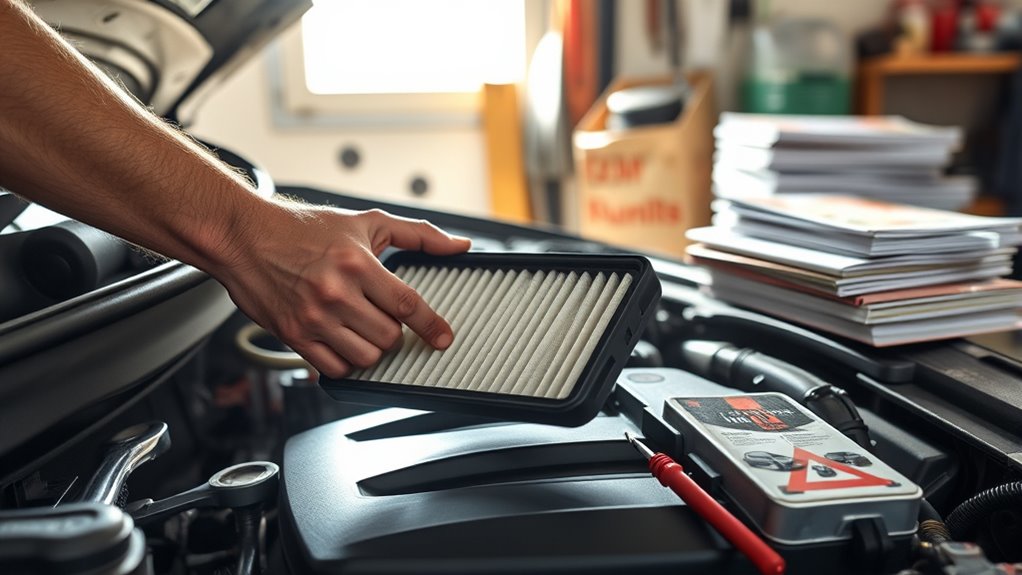
When you tackle DIY car maintenance, you can save a significant amount of money on repairs and services. Not only does this help your wallet, but it also boosts your skills and confidence as you learn to handle various tasks. Embracing DIY maintenance can empower you to take control of your vehicle’s care while keeping costs down. Additionally, understanding color accuracy in your vehicle’s lighting can enhance visibility and safety while driving at night.
Cost Savings
While many car owners dread the costs associated with vehicle maintenance, embracing DIY methods can lead to significant savings. By taking on simple tasks like oil changes or tire rotations, you can save hundreds, if not thousands, each year. For example, replacing a side mirror might cost you just $50 if you do it yourself, compared to $1,000 at a shop. With vehicle repair costs rising sharply, DIY maintenance helps you avoid pricey labor fees and parts markups. Plus, with online resources at your fingertips, you can confidently tackle repairs and stay on top of routine maintenance. Overall, DIY car maintenance not only saves you money but also empowers you to take control of your vehicle’s care. Additionally, just like using essential oils for health, understanding how to maintain your vehicle can lead to a healthier and more efficient driving experience.
Skill Development
Engaging in DIY car maintenance not only saves you money but also enhances your skill set and confidence. As you tackle tasks like oil changes or tire rotations, you’ll gain valuable hands-on experience. This knowledge empowers you to understand your vehicle better and troubleshoot issues effectively. Additionally, being familiar with energy-efficient cloud servers can inspire you to adopt sustainable practices in your own maintenance routines.
| Skills Gained | Benefits |
|---|---|
| Problem-Solving | Increases self-reliance |
| Technical Proficiency | Boosts confidence |
| Time Management | Saves time and money |
| Resourcefulness | Improves adaptability |
Cost Savings on Routine Repairs

When you take on routine maintenance yourself, you can save a significant amount of money compared to professional repairs. For example, replacing a side mirror might cost you just $50 instead of a staggering $1,000 at a shop. Understanding these savings can motivate you to tackle simple tasks and keep your car in top shape without breaking the bank. Additionally, just like piercing care and hygiene is crucial for preventing complications, maintaining your vehicle regularly can help avoid costly repairs in the future.
Routine Maintenance Savings
Routine maintenance can save you significant money, often amounting to nearly $4,000 annually if you tackle it yourself. By taking on routine tasks, you avoid costly labor fees and markups. Plus, you gain a deeper understanding of your vehicle. Here are three easy maintenance tasks you can do to keep your car running smoothly:
- Oil Changes: Changing your oil and filter regularly can prevent engine damage and improve performance.
- Tire Rotations: Rotating your tires promotes even wear and extends their lifespan, saving you money on replacements.
- Wiper Blade Replacement: Keeping your wipers fresh ensures clear visibility, especially during bad weather.
Additionally, understanding basic maintenance skills can empower you to handle unexpected repairs and enhance your confidence as a car owner. With these tasks, you’ll not only save money but also feel accomplished as a DIY car owner.
DIY vs. Professional Costs
Taking on DIY car maintenance not only helps you save money on routine tasks but also highlights the stark contrast in costs between DIY efforts and professional services. For example, changing your oil can cost around $25 to $50 when you do it yourself, while a mechanic might charge $100 or more. Simple repairs, like replacing a side mirror, can run you $50 for parts and your time, versus a jaw-dropping $1,000 at a shop. By tackling these projects, you’re not just saving money; you’re also gaining valuable skills. With average annual savings of nearly $4,000, DIY maintenance is a smart choice for most car owners. Additionally, understanding budgeting principles can help you allocate funds effectively for both DIY projects and professional repairs. It’s time to grab those tools and get started!
Essential Tools and Resources for DIYers

While tackling DIY car maintenance can seem intimidating, having the right tools and resources makes all the difference. To get started on your journey, consider these essentials:
Embarking on DIY car maintenance can feel daunting, but the right tools and resources can empower your journey.
- Basic Hand Tools: A set of wrenches, pliers, and screwdrivers is vital for most tasks.
- Automotive Fluids and Filters: Stock up on oil, coolant, and oil filters to guarantee you’re prepared for routine changes.
- Owner’s Manual and Online Resources: Your vehicle’s manual is invaluable for specific maintenance guidance, while websites and YouTube can provide helpful tutorials.
Additionally, keeping your car well-maintained can help you avoid silly tantrums at the mechanic, ensuring a smoother experience. With these tools and resources at your disposal, you’ll feel more confident diving into car maintenance. Plus, they’ll help you tackle a variety of tasks efficiently, ultimately saving you money.
Step-by-Step Guide to Oil Changes

With the right tools and resources in hand, performing an oil change can be a straightforward task that saves you time and money. First, gather your supplies: an oil filter, new oil, a wrench, and an oil catch pan. Begin by warming up your engine for a few minutes, then turn it off and let it cool slightly. Use the wrench to remove the oil drain plug and let the old oil drain completely into the catch pan. Replace the oil filter and install the new one. Next, reinsert the drain plug and pour in the new oil through the engine’s fill cap. Finally, check the oil level with the dipstick and dispose of the old oil properly. Regular maintenance prolongs your vehicle’s lifespan and helps avoid costly repairs. You’re done!
Seasonal Maintenance Tips

Seasonal maintenance is essential for keeping your car in top shape year-round. By staying proactive, you can avoid costly repairs and ensure your vehicle runs smoothly. Here are three key seasonal maintenance tips to follow:
- Summer Check: Inspect your coolant levels and ensure your air conditioning is functioning properly to handle the heat.
- Winter Prep: Swap out your wiper blades for winter-specific ones and check your antifreeze levels to prevent freezing.
- Fall and Spring Inspections: Examine your battery, lights, and tires for wear and tear, and replace them if necessary. Additionally, consider professional equipment for maintaining your vehicle, as it can significantly enhance your ability to perform repairs effectively.
DIY Tire Care and Rotation
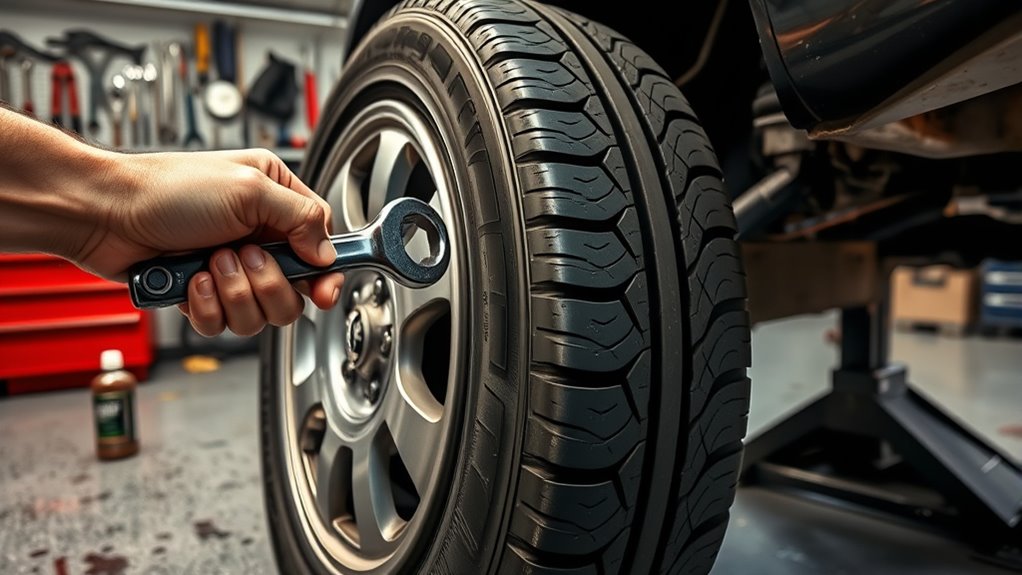
How often do you think about your tires? Proper tire care and rotation can extend their lifespan and enhance safety. You should check tire pressure monthly and rotate them every 5,000 to 7,500 miles. This simple DIY task can save you money in the long run.
| Task | Frequency |
|---|---|
| Check tire pressure | Monthly |
| Rotate tires | Every 5,000-7,500 miles |
| Inspect tread depth | Every 6 months |
To check tire tread depth, use the penny test: insert a penny into the tread with Lincoln’s head down. If you see the top of his head, it’s time to replace your tires. Taking these steps keeps your vehicle running smoothly and safely!
Online Resources to Boost Your Skills
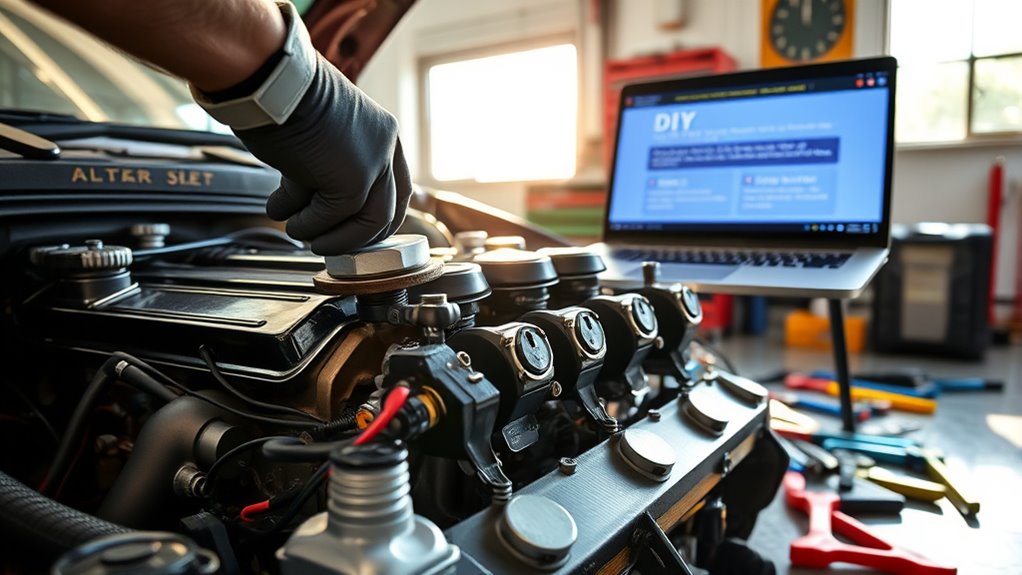
Ever wondered how to tackle that DIY car project with confidence? You’re not alone, and thanks to online resources, boosting your skills is easier than ever. Here are three valuable tools to get you started:
- YouTube Tutorials: Visual guides can walk you through repairs step by step, making complex tasks manageable.
- Online Forums: Connect with fellow DIYers who share tips, tricks, and solutions to common problems. It’s a great way to learn from others’ experiences.
- Manufacturer Websites: These often provide detailed guides and manuals specific to your vehicle, ensuring you have the right information.
Using these resources, you can enhance your DIY maintenance skills and save money while doing it!
Overcoming Challenges in DIY Maintenance

While tackling DIY car maintenance can be rewarding, it often comes with its own set of challenges. You might struggle with a lack of knowledge or feel overwhelmed by complex vehicle systems. Safety concerns can also be a barrier, especially if you’re unsure about proper procedures. Additionally, time constraints or limited access to tools and space may hinder your efforts. It’s essential to consult your owner’s manual and credible online resources frequently to avoid costly mistakes. Don’t forget about the environmental responsibility of disposing of automotive fluids correctly. By acknowledging these challenges and seeking guidance, you can build your skills and confidence, making DIY maintenance a more manageable and enjoyable experience.
Frequently Asked Questions
What Are the Best Practices for Disposing of Old Automotive Fluids?
To dispose of old automotive fluids safely, start by collecting them in sealed containers. Never mix different types of fluids. Check local regulations for disposal sites or recycling centers that accept them. Many auto parts stores also offer recycling programs. Always label the containers and avoid pouring fluids down drains or on the ground, as it can harm the environment. Following these practices guarantees safe disposal and protects both you and the planet.
How Can I Find Reliable Auto Parts Online?
To find reliable auto parts online, start by researching reputable websites that specialize in automotive supplies. Check customer reviews and ratings to gauge product quality. Use your vehicle’s make, model, and year to guarantee compatibility. Look for detailed descriptions and return policies. Websites like eBay Motors or Amazon can be good options, but don’t overlook local auto parts retailers’ online stores. Always compare prices to get the best deal without compromising quality.
What Safety Gear Should I Wear During DIY Maintenance?
Imagine you’re a knight preparing for battle, ready to conquer your car problems. Before you plunge into your DIY maintenance tasks, grab your safety gear: sturdy gloves to protect your hands from cuts and chemicals, safety glasses to shield your eyes from debris, and a dust mask to guard against harmful fumes. Don’t forget closed-toe shoes for foot protection and a long-sleeved shirt to keep scrapes at bay. Equip yourself well, and you’ll tackle those repairs confidently!
Are There Any Legal Regulations for DIY Repairs?
Yes, there are legal regulations for DIY repairs. You need to make certain you’re compliant with local laws regarding emissions and safety standards. Some states require you to follow specific guidelines for modifications or repairs, especially for safety systems. Additionally, if you’re working on a vehicle under warranty, DIY repairs could void that warranty. Always check your local regulations and manufacturer guidelines before starting any significant work to avoid legal issues.
How Do I Know if a Repair Is Too Complex for DIY?
You’ll know a repair is too complex for DIY if it requires specialized tools, advanced technical knowledge, or extensive disassembly of your vehicle. If you feel overwhelmed or unsure about the steps, it’s likely best to consult a professional. Additionally, consider the potential risks of causing further damage or safety issues. When in doubt, prioritize your safety and the integrity of your vehicle by seeking expert assistance.
Conclusion
By embracing DIY car maintenance, you’re not just saving money; you’re taking the wheel of your vehicle’s care. Each oil change and tire rotation symbolizes your growing confidence and independence, transforming routine tasks into empowering milestones. As you navigate the road ahead, remember that every small fix contributes to a smoother journey, both for your car and your wallet. So, gear up and enjoy the ride—your car deserves your touch, and so do you!