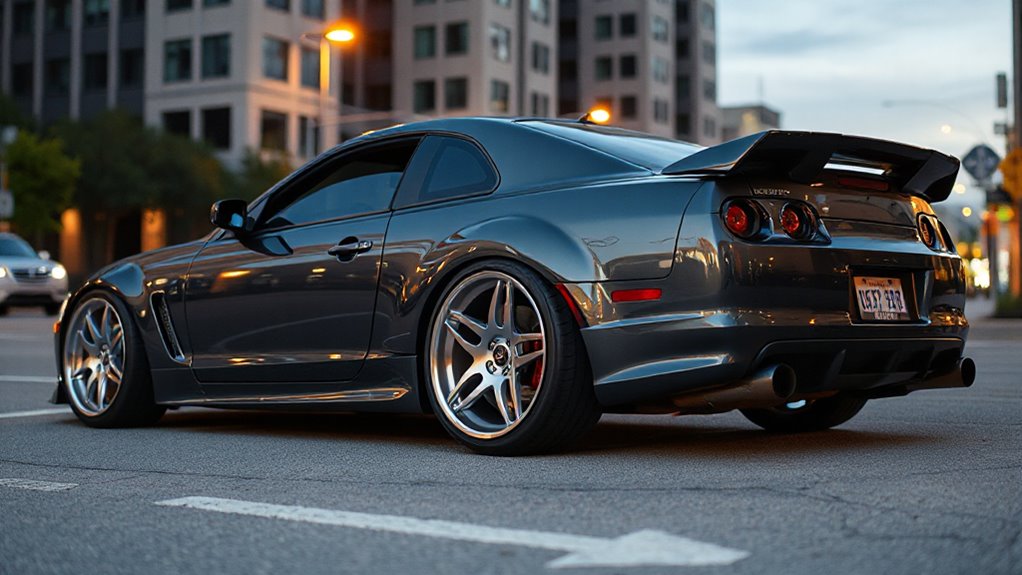

Modifying your car can make it look and perform better, but some upgrades could hurt its resale value. Extensive aftermarket parts or flashy mods often turn off potential buyers, especially if they seem unreliable or illegal. Upgrades that void warranties or increase insurance premiums also reduce your car’s appeal and worth. To keep your vehicle attractive to future owners, stick with subtle or stock modifications. More insights on which upgrades to avoid are ahead if you keep going.

Get your next haul delivered free — and shop member deals
- Fast, free delivery on millions of items
- Access to Prime Big Deal Days deals on October 6–7
- Prime Video, Amazon Music and more included
Key Takeaways
- Extensive aftermarket modifications can reduce appeal and resale value by signaling reliability concerns and diverging from stock appeal.
- Many factory warranties are voided by certain mods, decreasing the vehicle’s attractiveness and increasing potential future repair costs.
- Heavily modified cars often face higher insurance premiums, which can impact affordability and desirability.
- Overly customized or poorly done mods can limit the buyer pool and make the vehicle seem less dependable.
- Illegal or substandard modifications may lead to legal issues, mechanical problems, and decreased vehicle value.
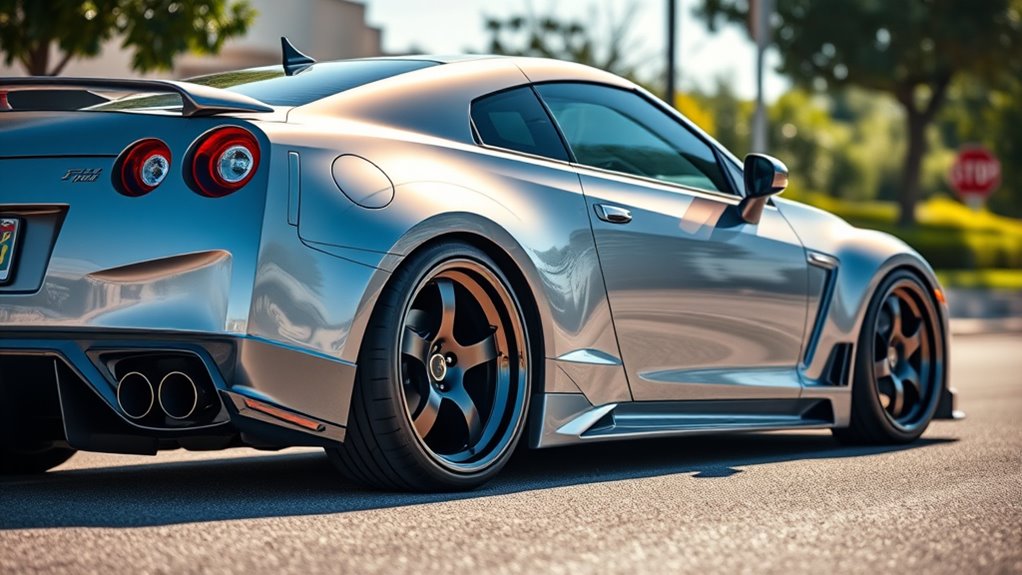
Modifying your car can make it more personalized and enjoyable to drive, but it also impacts its resale value. When you add aftermarket parts or make significant changes, you might think you’re enhancing your driving experience, but potential buyers often see these modifications differently. One important aspect to contemplate is how mods can affect your factory warranties. Many manufacturers include specific terms that void the warranty if the car has been altered outside approved parts or procedures. If you plan to sell your vehicle later, these voided warranties can make your car less appealing because new owners may worry about repair costs or reliability issues. Additionally, modifications can impact your insurance premiums. Insurance companies often view heavily modified cars as higher risks, which can lead to increased rates or difficulty finding coverage. If you’ve upgraded your suspension, installed a turbo kit, or changed the exhaust system, your insurer might see this as elevating the odds of a claim, consequently raising your premiums.
Beyond warranties and insurance, there’s the matter of how modifications influence your car’s overall appeal. Many buyers prefer vehicles that are stock or have subtle upgrades, as these are seen as more reliable and easier to maintain. Overly flashy or unconventional mods might turn off potential buyers, or worse, make it harder to sell your car at a desirable price. Remember, the market for used cars is often driven by the perception of reliability and originality, so extensive modifications could limit your pool of interested buyers.
Moreover, certain modifications can even decrease the value of your car if they are poorly done or illegal. For example, lowering your car excessively or installing non-compliant lighting might violate local laws, leading to fines or issues during inspections. Poorly installed parts can also cause mechanical problems down the line, which buyers will factor into their offers. If you’re contemplating making upgrades, it’s wise to choose reputable shops and quality parts, but always keep in mind that these changes might not translate into increased resale value. Sometimes, keeping your vehicle close to its original factory condition is the safest way to preserve its value.
Frequently Asked Questions
Do Factory-Installed Mods Affect Resale Value?
Factory-installed mods generally boost your car’s resale value because they’re built-in, high-quality features that appeal to buyers. Unlike aftermarket customization, which can seem less reliable or overly personalized, factory options show the vehicle was upgraded professionally and for durability. When you sell, buyers often see factory mods as an added benefit, making your car more attractive and potentially increasing its worth.
Which Customizations Are Universally Appealing?
Think of your car as a canvas, waiting to impress. You’ll find that subtle interior upgrades like new upholstery or tech can appeal universally, along with clean exterior styling—think fresh paint or sleek rims. These modifications enhance your vehicle’s look and feel without risking its resale value. Keep it simple, stylish, and timeless, and you’ll attract buyers who appreciate quality over flashy gimmicks.
How Do Modifications Impact Insurance Premiums?
Modifications often increase your insurance costs because they impact the modification impact on your vehicle’s safety and value. Insurance providers see customized parts or performance upgrades as higher risks, leading to higher premiums. The more significant the modification, the more it may affect your insurance costs. Always check with your insurer before making modifications to understand how they might influence your premium and make sure you’re adequately covered.
Are There Any Legal Restrictions on Certain Mods?
Yes, there are legal restrictions on certain mods. You need to check local laws because modification legality varies by state or country. Some mods, like illegal tinted windows or exhaust systems that exceed noise limits, can lead to fines or failed inspections. Always research your area’s legal restrictions on car modifications before upgrading, ensuring your modifications stay within legal boundaries to avoid penalties and maintain your vehicle’s roadworthiness.
How Can I Reverse Modifications Before Resale?
To reverse modifications before resale, start by removing aftermarket parts and restoring original components. Document these changes to show the vehicle’s original state during dealer negotiations. Take clear photos of the unmodified condition and keep receipts for any restoration work. This approach helps you demonstrate that the car is close to stock, potentially boosting its value and making negotiations smoother with buyers or dealers.
Conclusion
When you jazz up your car with flashy mods, think of it as painting a masterpiece — sure, it looks stunning now, but future buyers might see it as a wild, unpredictable canvas. These upgrades can turn your car into a one-of-a-kind sculpture, but they might also scare off those who prefer a clean, classic portrait. So, weigh your choices carefully; sometimes, less is more when it comes to preserving your car’s true value.
Fall Picks
fall essentials
As an affiliate, we earn on qualifying purchases.