
When you’re in the market for a used car, it’s crucial to know what to look for to avoid costly mistakes. You might think a shiny exterior or a low price is enough, but there’s more beneath the surface. From vehicle history to the condition of the engine, each aspect plays a vital role in your decision. Let’s explore the key areas that deserve your attention before making that purchase.
Key Takeaways
- Verify the vehicle history report using the VIN to check for accidents, ownership, and recalls.
- Inspect the exterior for dents, rust, and repainting signs to assess overall condition.
- Evaluate the interior for wear, water damage, and the functionality of controls and systems.
- Check under the hood for leaks, oil quality, and battery condition to ensure mechanical reliability.
- Take a test drive to evaluate acceleration, braking, and overall performance.
Vehicle History and Documentation

When it comes to buying a used car, how well do you know its history? Start by verifying the vehicle history report using services like CarFax, AutoCheck, or NMVTIS with the VIN. This report will reveal past accidents, service records, and ownership details. Fewer previous owners typically indicate better maintenance. Next, review the service records against the manufacturer’s schedule to ensure consistent upkeep. Check for open safety recalls at the NHTSA website and confirm the market value to see if the price is fair. Ultimately, confirm the title status—clean, salvage, or lien—to avoid future complications. Taking these steps will help you make an informed decision and minimize potential risks.
Exterior and Body Condition
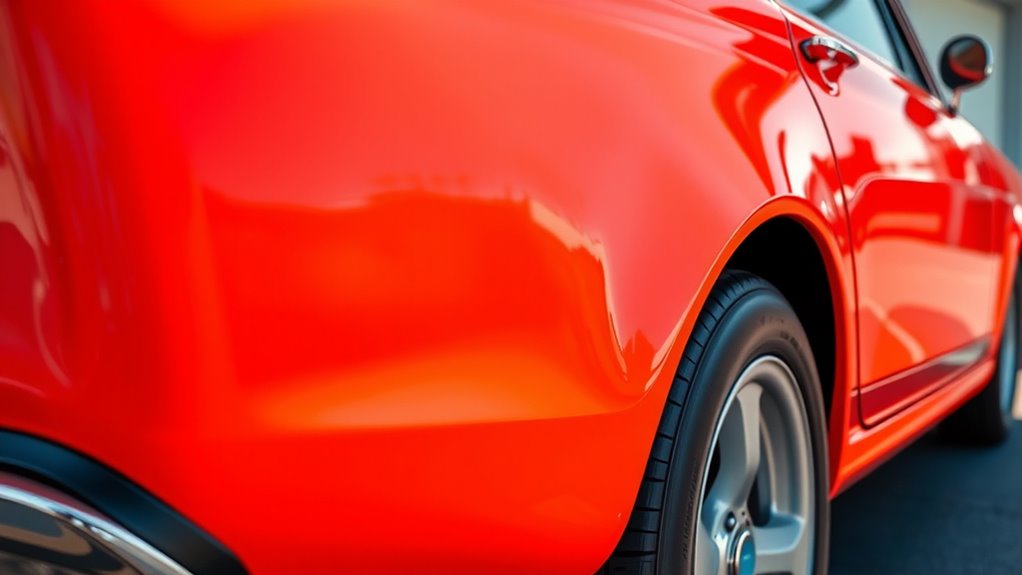
How can you guarantee the exterior and body condition of a used car meets your expectations? Start by examining all body panels, the roof, and the paint for dents, scratches, or rust. Look out for signs of repainting, like paint on rubber seals or uneven panel gaps. Specifically check for rust in the wheel wells, door bottoms, and undercarriage, as this could signal neglect. Assess the alignment of panels to spot any past collision repairs. Inspect the tires for even tread wear and any damage, ensuring they match. Finally, look beneath the vehicle for fluid leaks and check the tailpipe for signs of burnt oil or heavy rust. A thorough inspection can save you from costly issues later. Additionally, consider the color accuracy of any aftermarket paint jobs, as this can affect the vehicle’s overall appearance.
Interior Condition and Functionality
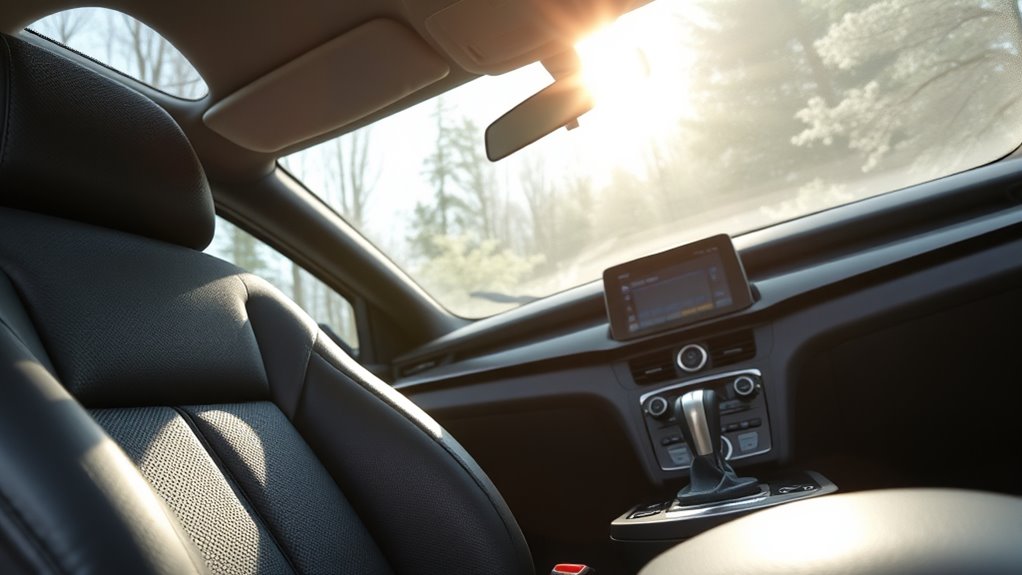
Although you may be excited about a used car, guaranteeing its interior condition and functionality is essential for a satisfying purchase. Start by checking the seats and upholstery for any tears, stains, or overall wear. Don’t forget to lift the carpets and inspect underneath for rust or water damage. Test all dashboard controls, including the gauges, air conditioning, heating, and audio system, to confirm they work properly. Verify that doors, the hood, and trunk open and close smoothly, with intact rubber seals. Examine the steering wheel for wear and ensure all power features function, including windows and locks. Finally, take a moment to sniff for musty odors that may indicate water intrusion issues inside the vehicle. Additionally, consider how placement and upkeep can affect the longevity of the vehicle’s interior features.
Under the Hood Inspection

Before making a decision on a used car, you’ll want to give the engine a thorough inspection to verify it’s in good condition. Start by checking for leaks and odd noises, and inspect belts and hoses for wear. Don’t forget to verify the oil level and quality; it should be clean without metal particles or foam. Look at the battery posts for corrosion and test if it holds a charge. Check the radiator and coolant levels, ensuring there are no leaks or strange smells. Finally, run diagnostic tools to scan for any hidden engine error codes. A careful under-the-hood inspection can save you from unexpected repairs down the road. Additionally, understanding the vehicle’s financial independence can help you make an informed purchasing decision.
Test Drive and Performance Assessment
Once you’ve guaranteed the engine’s in good shape, it’s time to take the car for a test drive to evaluate its performance. Start with a short drive through both city streets and highways. Pay attention to how smoothly the car accelerates and brakes. Listen for any unusual sounds like ticking or grinding from the engine or suspension. Test the transmission shifts for responsiveness, whether it’s automatic or manual. Check if the steering feels stable and if the brakes respond effectively. During a cold start, watch for excessive smoke or delayed ignition, which could signal issues. Finally, verify the steering wheel locks properly and that power steering functions smoothly throughout your drive. Additionally, consider how the classic arcade games from the 80s transformed entertainment, which can inspire you to appreciate the nostalgia of owning a car with history.
Frequently Asked Questions
What Financing Options Are Available for Purchasing a Used Car?
When you’re looking to finance a used car, you’ve got several options. You can consider traditional bank loans, credit unions, or dealership financing. Each option has different interest rates and terms, so it’s wise to compare offers. You might also explore personal loans or online lenders. Don’t forget to check your credit score, as it can impact your financing options and rates. Always read the fine print before signing any agreements.
How Can I Negotiate the Price Effectively?
To negotiate the price effectively, start by researching the car’s market value to have a strong baseline. When discussing, express any concerns based on your findings, like repairs needed or mileage. Offer a price slightly below your researched value, giving room to negotiate. Stay calm and confident, and be ready to walk away if the deal doesn’t meet your budget. Remember, patience often results in a better price!
What Insurance Considerations Should I Keep in Mind?
When considering insurance for your used car, think about coverage types like liability, collision, and extensive. You’ll want to assess deductibles and premiums that fit your budget. Check if the insurer offers discounts for safe driving or bundling policies. Also, consider the car’s safety ratings, as this can affect your rates. Finally, review state requirements for minimum coverage to guarantee you’re compliant and protected on the road.
Should I Buy From a Dealer or a Private Seller?
Buying from a dealer’s like stepping into a treasure trove of options! Dealers often provide warranties and certified pre-owned vehicles, ensuring peace of mind. However, private sellers can offer lower prices and negotiate more freely. Consider factors like the car’s history, your budget, and how much support you want post-purchase. Ultimately, weigh convenience against cost to decide which route suits you best.
Are There Any Warranties or Guarantees for Used Cars?
Yes, many used cars come with warranties or guarantees, but it depends on the seller and the vehicle’s age. If you’re buying from a dealer, ask about any existing manufacturer warranties or if they offer their own limited warranty. Private sellers typically don’t provide warranties, but some may offer a short-term guarantee. Always get everything in writing and don’t hesitate to inquire about what’s covered before making your decision.
Conclusion
In the grand adventure of buying a used car, taking these five essential steps is like packing a trusty map before hitting the road. You wouldn’t want to get lost in a sea of choices, right? By checking the vehicle history, exterior, interior, and under the hood, then taking it for a spin, you’ll steer clear of potential pitfalls. With a little diligence, you’ll drive off with a reliable companion ready to join you on countless journeys ahead.