Investing in expensive products can save you money over time because they are typically more durable, reliable, and built with high-quality materials that resist wear and tear. They often incorporate advanced technology that improves performance and reduces the need for repairs or replacements. While the upfront cost is higher, the long-term benefits of fewer replacements and better efficiency make them a smarter financial choice. Keep exploring to discover how these benefits can work for you.
Listen free for 30 days with Audible
Thousands of audiobooks and originals — cancel anytime.
As an affiliate, we earn on qualifying purchases.
Key Takeaways
- Higher initial costs often lead to longer-lasting products, reducing replacement and repair expenses over time.
- Premium materials and craftsmanship enhance durability, preventing frequent replacements and lowering long-term costs.
- Advanced technology and superior performance minimize the need for additional purchases or repairs.
- Ethical sourcing and sustainable materials support responsible consumption, avoiding future environmental or ethical costs.
- Investing in quality upfront ensures satisfaction and savings through reliable, enduring products.
Many people assume that cheaper products are always the better deal, but in reality, investing in higher-quality, more expensive items can save you money over time. When you choose products rooted in luxury branding, you’re often paying for more than just the name; you’re investing in craftsmanship, durability, and better materials. Luxury brands tend to use premium materials that stand up to daily wear and tear much longer than their cheaper counterparts. This means that, although the initial cost might be higher, you won’t need to replace or repair these items as often, ultimately saving you money.
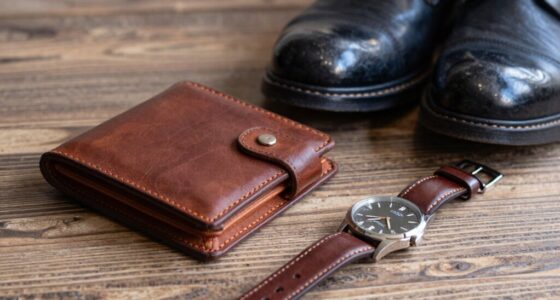
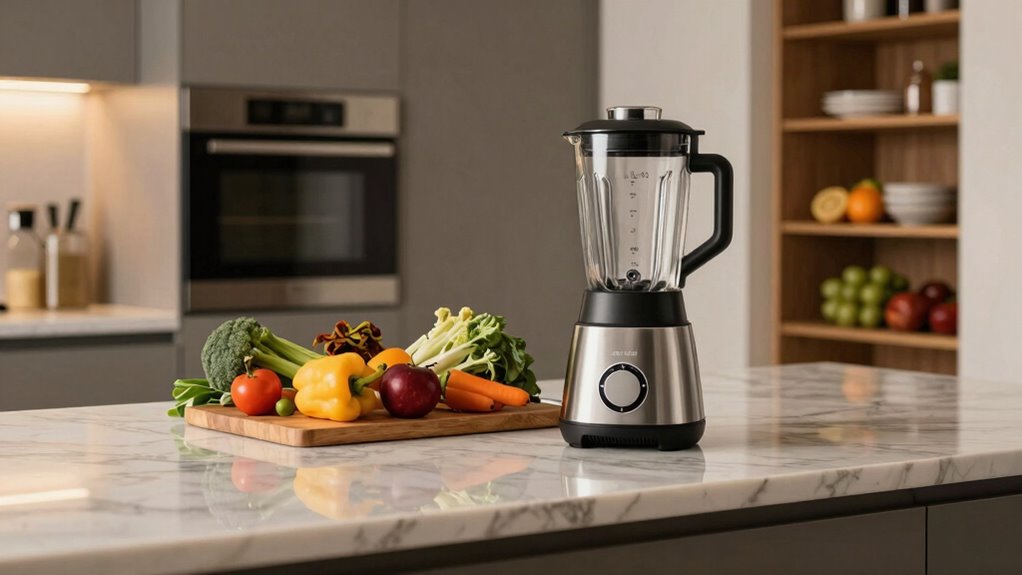
Premium materials used in luxury branding are designed for longevity. For example, a designer leather bag crafted from full-grain leather will age beautifully and resist scratches better than cheaper alternatives. This durability means you won’t have to buy a new bag every few years, which adds up to considerable savings in the long run. Similarly, high-end appliances or electronics built with quality components tend to last longer and perform better, reducing the need for early replacements or costly repairs.
Another benefit of investing in expensive products is the assurance of better performance. Cheaper items might save you money upfront, but they often lack the reliability and efficiency of premium products. For example, a luxury skincare product with carefully sourced ingredients and advanced formulations may deliver results more effectively, reducing the need for multiple, less effective products. Over time, this can translate into savings both financially and in terms of your health or appearance. Additionally, reliability and consistent performance in luxury items can prevent the inconvenience and costs associated with frequent malfunctions or replacements. Moreover, luxury products often incorporate innovative technology, which enhances their longevity and effectiveness compared to cheaper options.
Furthermore, the use of sustainable materials in luxury products can contribute to environmental conservation, which is an increasingly important consideration for many consumers. Many high-end brands also prioritize ethical sourcing, making their products a more responsible choice for environmentally conscious buyers. Ultimately, the decision to spend more on luxury branding and premium materials isn’t just about status; it’s a strategic choice. You’re investing in quality, durability, and performance, all of which can markedly reduce your expenses over time. While the initial cost might seem steep, the long-term savings, combined with the satisfaction of owning well-made, enduring products, make it a smart financial move. Sometimes, paying more upfront ensures you don’t have to pay twice later, proving that expensive products can indeed be a wise investment.
As an affiliate, we earn on qualifying purchases.
Frequently Asked Questions
How Do I Determine if a Costly Product Is Worth the Investment?
To determine if a costly product is worth the investment, compare its price versus quality carefully. Look for durable materials and brand reputation, which indicate better investment longevity. Consider how often you’ll use the product and if it meets your needs effectively. If the higher price guarantees longer-lasting performance and fewer replacements, it’s likely a smart buy, saving you money in the long run.
Are There Specific Brands Known for Durable High-Priced Items?
Imagine you’re stepping into a marketplace where luxury branding and exclusivity appeal matter most. Brands like Rolex, Louis Vuitton, and Patagonia are known for their durable, high-priced items that often stand the test of time. These brands focus on craftsmanship and quality, making their products worth the investment. Their reputation for longevity and prestige guarantees you’re buying more than just a product—you’re investing in a lasting piece of luxury.
How Does Maintenance Impact the Long-Term Savings of Expensive Products?
Maintenance plays an essential role in the long-term savings of expensive products. Proper upkeep guarantees your item stays in top condition, reducing the need for costly repairs. With luxury branding, warranty coverage often includes maintenance services, which further saves you money. Regular care extends the product’s lifespan, making it a smarter investment over time. Ultimately, consistent maintenance helps you maximize the value of your high-priced purchase.
Can Buying Expensive Products Reduce the Need for Replacements?
Yes, buying expensive luxury goods can reduce the need for replacements because they’re often made with higher-quality materials and superior craftsmanship. You benefit from durability and lasting performance, which means fewer repairs and replacements over time. Additionally, a strong brand reputation guarantees reliability and maintains value, making your investment worthwhile. So, in the long run, paying more upfront for these products can save you money and hassle.
What Factors Influence the Perceived Value of Expensive Items?
You perceive the value of expensive items through luxury branding and emotional value. When a product carries a prestigious brand, it signals quality and status, making it seem more worthwhile. Additionally, emotional value, like nostalgia or personal significance, enhances your appreciation and willingness to invest. These factors elevate your perception of worth, often making the higher price feel justified despite the initial cost.
As an affiliate, we earn on qualifying purchases.
Conclusion
So, next time you see a pricey item, remember it might be your wise investment, like planting a tree that bears fruit for years to come. While it seems costly at first, its durability and quality can save you from frequent replacements and repairs, turning expensive into economical. Sometimes, spending more upfront is like paying for a ticket to a smoother, longer journey—worth every penny for the savings it brings later.
As an affiliate, we earn on qualifying purchases.
As an affiliate, we earn on qualifying purchases.
Flea & tick season Picks
flea and tick prevention
As an affiliate, we earn on qualifying purchases.