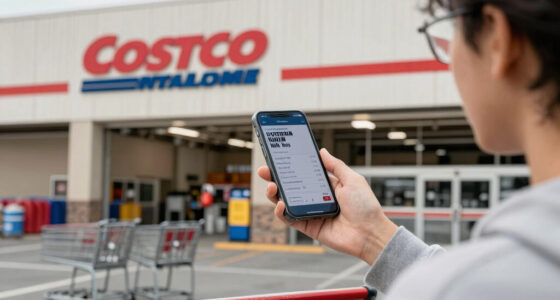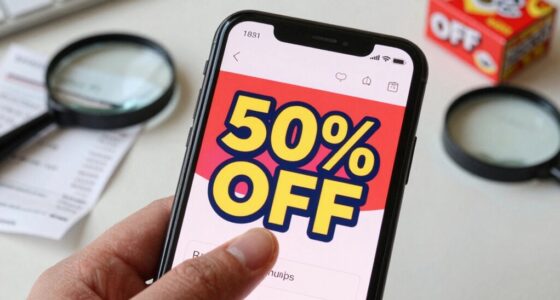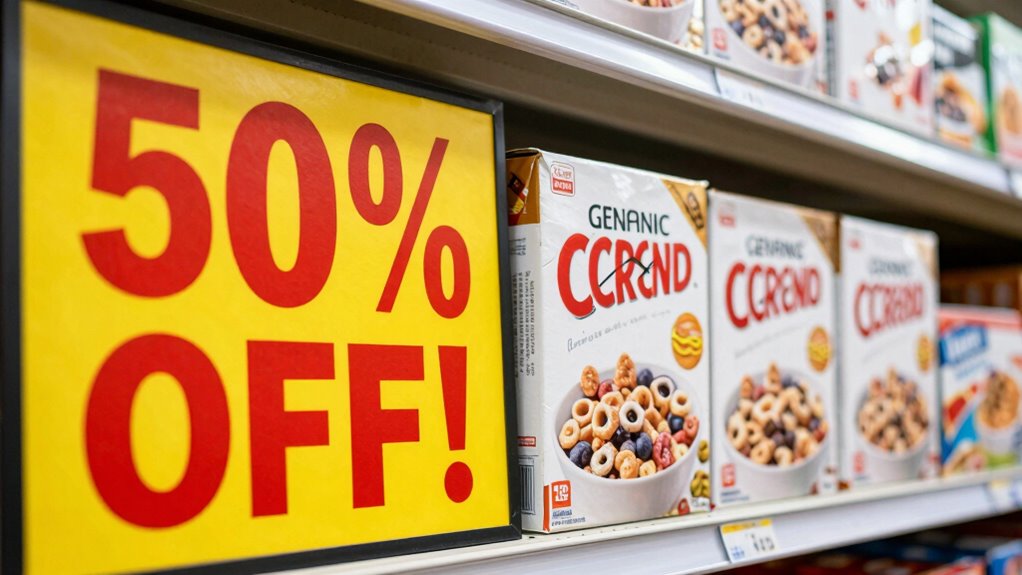

A real discount lowers a product’s price below its typical market value, giving you clear and verifiable savings. Look for transparent markdowns and compare prices elsewhere to confirm the deal isn’t just clever marketing. Be cautious of inflated original prices or limited-time offers that pressure quick decisions without genuine savings. By recognizing these signs, you can avoid tricks and shop smarter—there’s much more to uncover about spotting true discounts as you explore further.

Get your next haul delivered free — and shop member deals
- Fast, free delivery on millions of items
- Access to Prime Big Deal Days deals on October 6–7
- Prime Video, Amazon Music and more included
Key Takeaways
- The original price is clearly established and reflects typical market value.
- The discount represents genuine savings compared to the standard price.
- Price reductions are transparent and verifiable through independent research.
- Limited-time offers do not create false urgency but complement honest discounts.
- The retailer provides clear information about pricing, avoiding inflated or misleading original prices.
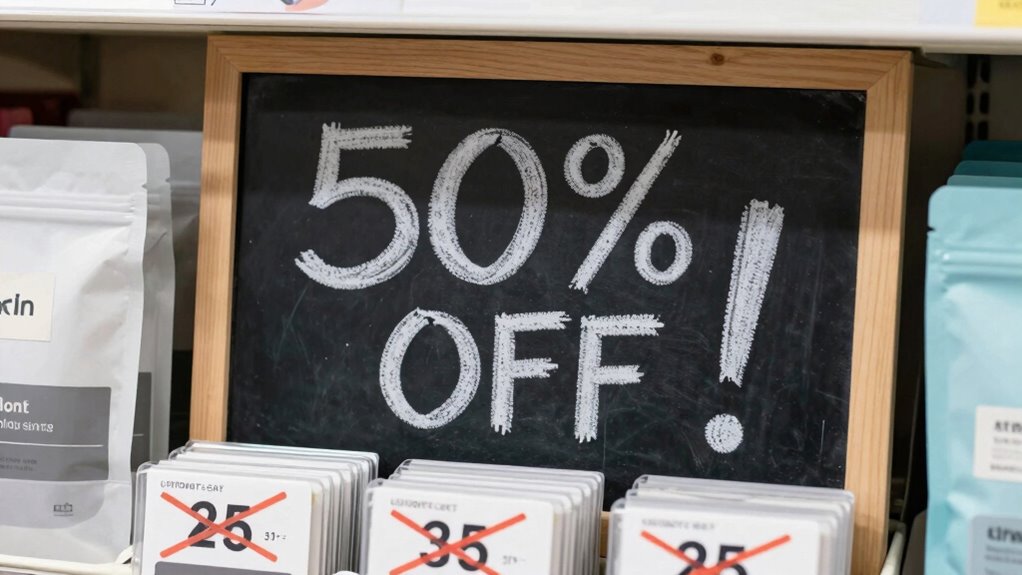
Are discounts genuinely a benefit to consumers, or are they just clever marketing tactics? This question touches on the core of how businesses use pricing strategies to influence your purchasing decisions. When you see a sale or a price cut, it’s easy to assume you’re getting a bargain. But to truly understand if a discount is real or just a marketing ploy, you need to look deeper into the psychology behind pricing strategies. Companies often craft discounts to tap into consumer psychology, making you feel like you’re saving money, even if the deal isn’t as good as it seems.
A real discount is one that genuinely lowers the price of a product or service to a level below its typical market value, giving you tangible savings. It’s straightforward: you’re paying less than the usual price, and that savings is clear and verifiable. For instance, if a jacket usually costs $150 but is marked down to $90, you’re saving $60. That’s a genuine discount because the reduction is transparent, and you can compare it to other offers or market prices. Conversely, clever marketing tactics often involve more subtle manipulations. Retailers might inflate the original price, making the discount look more impressive than it truly is, or they might use limited-time offers to pressure you into quick decisions, regardless of actual savings. Recognizing these tactics requires understanding how pricing strategies influence consumer perceptions.
Understanding consumer psychology helps explain why discounts can sometimes feel more valuable than they are. Your brain tends to associate discounts with getting more for less, triggering a positive emotional response. Retailers exploit this by creating a perception of scarcity or urgency, nudging you to buy impulsively. A genuine discount, however, aligns with your expectation of fair pricing. When you see a clearly marked markdown that reflects a real reduction from the standard price, it feels more trustworthy. The key is transparency; if the original price isn’t clearly established or if the discount seems artificially inflated, it’s usually a sign that the deal isn’t as beneficial as it appears. Being aware of marketing tricks can help you make more informed decisions and avoid falling for manipulative tactics. Additionally, understanding how perceived value is manipulated can further help you distinguish between genuine savings and marketing illusions.
Furthermore, transparency in pricing is essential for consumers to make informed decisions and avoid being misled by marketing tricks. In the end, a real discount is all about authenticity. It’s when you’re genuinely paying less for something that’s worth less than the original price. Clever marketing, on the other hand, often seeks to manipulate your perception, making you believe you’re saving more than you are. Recognizing signs of inflated original prices can help you see through these tactics. To identify the difference, always do a little research—compare prices elsewhere, check the product’s typical cost, and question whether the discount is rooted in genuine savings or just a strategic marketing move. That way, you can make smarter choices and avoid falling for deals that are more about perception than reality.
genuine discount price comparison
As an affiliate, we earn on qualifying purchases.
As an affiliate, we earn on qualifying purchases.
Frequently Asked Questions
How Can Consumers Identify Truly Discounted Products?
To identify truly discounted products, you should do a price comparison across multiple stores or online platforms. Look for consistent pricing patterns that show genuine reductions, rather than temporary or inflated prices. Understanding discount psychology helps you see through clever marketing tactics, ensuring you don’t pay more than necessary. By staying informed and comparing prices, you can confidently purchase items at real discounts, saving money and avoiding deceptive deals.
Do Discounts Always Reflect Genuine Savings?
No, discounts don’t always mean you’re saving a fortune. Sometimes, pricing strategies are designed to boost consumer skepticism, making the discount seem bigger than it really is. Retailers might inflate the original price to create an illusion of savings. So, always compare prices and do your homework. A genuine discount feels like a real reward, not just clever marketing tricks meant to distract you from the true cost.
Are There Industries More Prone to Misleading Discounts?
Some industries, like travel and retail, are more prone to misleading discounts due to seasonal pricing tricks and loyalty programs. You might see a “discount” that’s actually just a higher original price or a limited-time offer that’s always available. By understanding these tactics, you can recognize when a discount is genuine or just clever marketing. Always compare prices and watch for consistent savings rather than temporary deals.
How Do Retailers Decide When to Offer Discounts?
Like a chef tasting ingredients before cooking, retailers decide when to offer discounts based on their pricing strategies and promotional timing. They analyze sales data, inventory levels, and seasonal trends, choosing moments when discounts attract customers without hurting profits. They also consider competitors’ actions. This careful planning guarantees discounts feel genuine and appealing, encouraging purchases while maintaining the store’s credibility and profitability.
What Impact Do Discounts Have on Brand Perception?
Discounts can boost your brand perception by strengthening brand loyalty when used genuinely. They signal value, encouraging customers to trust your pricing. However, overusing discounts might weaken price anchoring, making your regular prices seem less appealing. You need to balance discounts carefully to maintain a strong, positive brand image, so customers see your brand as both affordable and valuable without undervaluing your products or services.
As an affiliate, we earn on qualifying purchases.
Conclusion
So, next time you see a discount, pause and ask yourself—what’s the real deal behind the offer? Is it genuine savings or just clever marketing? Sometimes, the truth is hidden in the fine print or the fine details. The key is staying sharp and discerning. Because in a world full of enticing deals, only the truly discerning can uncover what’s authentic—and what’s just a well-crafted illusion. Are you ready to see through the façade?
As an affiliate, we earn on qualifying purchases.
As an affiliate, we earn on qualifying purchases.
Fall Picks
fall essentials
As an affiliate, we earn on qualifying purchases.