
To spot a fake deal before clicking buy, carefully compare prices across multiple sites—if a deal seems suspiciously cheap, it’s often a red flag. Check seller reviews and reputation; trustworthy sellers have positive feedback and detailed profiles. Be wary of profiles with little activity or suspicious social profiles. Look for secure websites and clear contact info. If a deal seems too perfect, take your time to verify details, and you’ll discover even more tips to stay safe.

Get your next haul delivered free — and shop member deals
- Fast, free delivery on millions of items
- Access to Prime Big Deal Days deals on October 6–7
- Prime Video, Amazon Music and more included
Key Takeaways
- Compare prices across multiple reputable sites to identify unusually low or suspiciously cheap deals.
- Check seller reviews and reputation for consistent positive feedback and verified contact information.
- Be wary of profiles with little activity, generic reviews, or deals that seem *too perfect*.
- Verify the legitimacy of the seller’s website, contact details, and security measures before purchasing.
- Avoid rushing; research thoroughly and question deals that seem significantly better than market value.
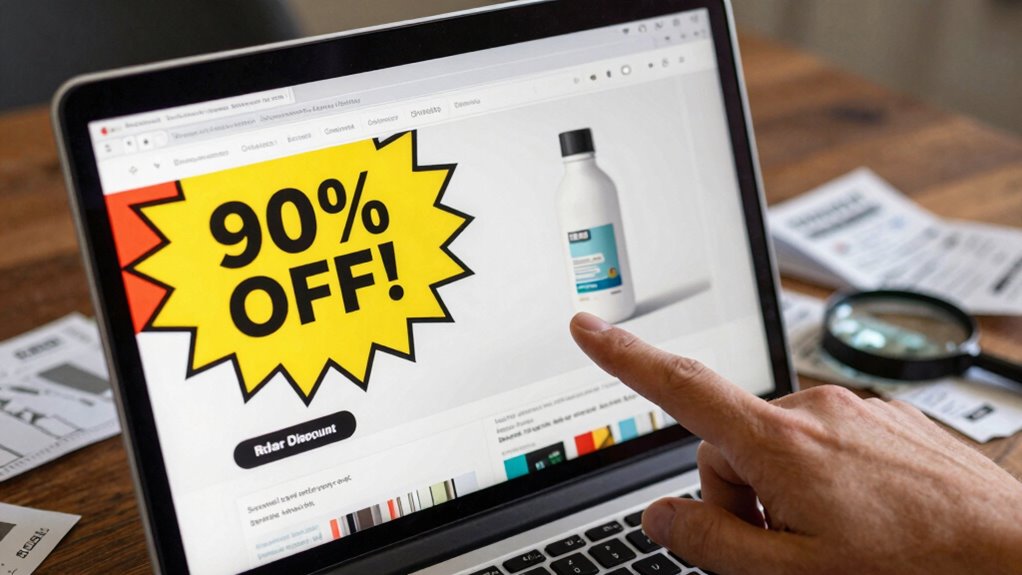
Ever wonder how to tell if a deal is too good to be true? It’s a common question, especially when you see prices that seem markedly lower than anywhere else. Before you click that “buy” button, take a moment to do some quick research. A good starting point is a thorough price comparison. If one website or seller is offering a product at a fraction of what other reputable sources are charging, it’s a red flag. Remember, legitimate discounts are often modest, not drastic. When the deal sounds too good to be true, it probably is. Comparing prices across multiple reputable sites helps you gauge the real market value and spot potential scams. Don’t rely on a single source; instead, look for consistency in pricing. If all other sellers are charging around $200 and one is offering the same item for $50, that’s a strong indicator that something’s off.
Equally important is to check seller reviews. Trustworthy sellers usually have a trail of customer feedback you can review. Read through those reviews carefully. Look for patterns—are buyers consistently happy, or are there numerous complaints about product quality, delays, or even scams? If the seller has no reviews, or if the reviews seem suspiciously positive or overly generic, proceed with caution. Fake deals often come from sellers with little to no reputation or from profiles with scant or suspicious activity. A seller with a solid track record and positive reviews is more likely to deliver what they promise, even if the price appears attractive. Conversely, negative reviews or a lack of reviews can be warning signs that you might be dealing with a scam. Additionally, recognizing legitimate seller profiles can help you avoid falling for fake deals. Being aware of common scam tactics is also crucial, as scammers often use professional-looking websites or fake social media profiles to appear legitimate. Always be skeptical when a deal seems *too perfect*. Cross-check the product details, and don’t hesitate to ask questions or seek additional photos. If the seller is unwilling to provide verifiable information or if their responses seem evasive, that’s another red flag. It’s also wise to verify the security measures a seller has in place to protect your personal information. Remember, some scams may even employ phishing techniques to steal your personal information. Combining price comparison with thorough review checking gives you a strong defense against fake deals. Remember, reputable sellers build trust over time—so if something doesn’t feel right, it’s better to wait or shop around more. Protect yourself from falling for a scam by investing a little extra time upfront. It’s a small step that can save you from disappointment, financial loss, or worse.
best price comparison tools for online shopping
As an affiliate, we earn on qualifying purchases.
As an affiliate, we earn on qualifying purchases.
Frequently Asked Questions
Can Fake Deals Appear on Reputable Websites?
Yes, fake deals can appear on reputable websites. Scammers often use counterfeit packaging and post fake reviews to make their offers seem legitimate. You might notice suspiciously low prices, inconsistent product images, or reviews that seem overly positive or generic. Always verify seller information, read reviews carefully, and compare prices across trusted sources. Staying cautious helps you prevent falling for these deceptive tactics and guarantees you get authentic products.
What Signs Indicate a Scam Deal?
A scam deal often whispers lies through too-good-to-be-true offers, like sirens tempting sailors. Signs include suspiciously low prices, unprofessional website design, or urgent language pushing you to buy fast. Be wary of counterfeit products and phishing scams lurking behind seemingly perfect deals. If a deal feels like a treasure chest of empty promises, trust your instincts—it’s probably a trap waiting to ensnare you in deception.
Are Fake Deals More Common During Sales Events?
Yes, fake deals are more common during sales events. During these times, scammers capitalize on the high volume of transactions by offering unbelievable discounts. To protect yourself, do a thorough price comparison across reputable sites and check seller reviews. If a deal seems too good to be true or the seller has poor reviews, it’s best to steer clear. Being cautious helps you avoid falling for fake deals during busy sales periods.
How Can I Verify a Deal’s Authenticity Quickly?
You can verify a deal’s authenticity quickly by comparing prices across multiple sites and checking seller reviews. If a deal seems too good to be true, trust your instincts and do some quick research. Look for consistent pricing and positive feedback from other buyers. By comparing prices and reviews, you can spot fake deals fast, ensuring you make safe, informed purchases without falling for scams.
What Should I Do if I Suspect a Fake Deal?
If you suspect a fake deal, stop, and don’t click buy. Check for counterfeit packaging, which often looks off or poorly made. Read through reviews carefully—misleading reviews can hide the truth. Look for seller ratings and verified purchases. Report suspicious listings to the platform. Trust your instincts; if something feels wrong, it’s better to walk away than risk getting scammed with counterfeit products.
As an affiliate, we earn on qualifying purchases.
Conclusion
So, next time you stumble upon a deal that seems too good to be true, remember—you’re probably right. Ironically, the flashy “discounts” and “limited-time offers” are often just clever illusions, designed to lure you in. Instead of rushing to buy, take a moment to verify, compare, and trust your instincts. Because, in the end, the real deal isn’t in the savings, but in avoiding the headache of falling for a fake.
As an affiliate, we earn on qualifying purchases.
As an affiliate, we earn on qualifying purchases.
Fall Picks
fall essentials
As an affiliate, we earn on qualifying purchases.