
Choosing homemade gifts over store-bought ones helps you teach kids about thoughtfulness, creativity, and budgeting. Kids can personalize gifts to suit the recipient’s interests, showing effort and care. Making things together also teaches valuable skills like patience and resourcefulness. While store-bought gifts are convenient and quick, homemade options promote environmental awareness and cost savings. If you want to discover more tips on balancing thoughtfulness and budget, there’s plenty to explore below.
Key Takeaways
- Homemade gifts allow children to personalize gifts, demonstrating thoughtfulness and showing care without spending much money.
- Creating gifts teaches kids valuable skills like creativity, patience, and resourcefulness, emphasizing effort over cost.
- Store-bought gifts offer quick, convenient options, suitable for limited time or specific tastes, but may be less personal.
- Homemade gifts are environmentally friendly, reducing packaging waste and promoting sustainable practices, teaching eco-consciousness.
- Giving handmade presents emphasizes the value of effort and thoughtfulness, helping children learn that meaningful gifts are not necessarily expensive.
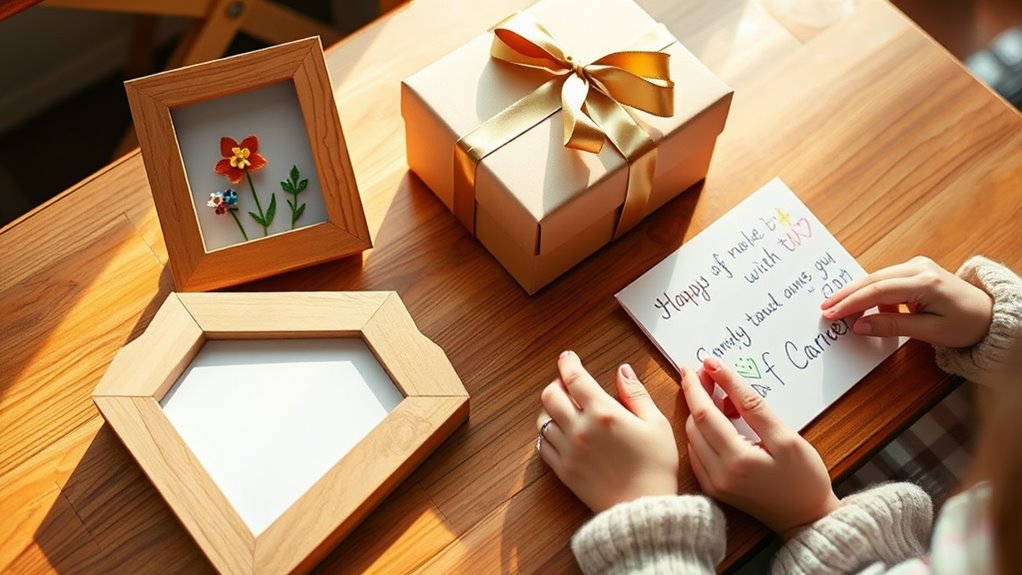
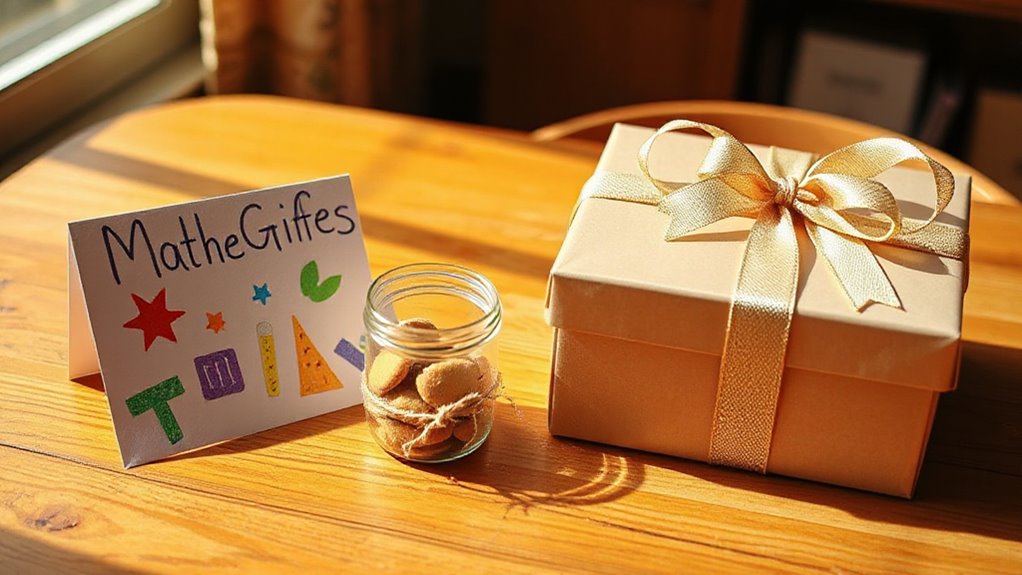
When choosing between homemade and store-bought gifts, you often weigh personal touch against convenience. If you’re aiming to teach kids thoughtfulness on a budget, understanding the benefits of each can help you make meaningful choices. Homemade gifts excel in providing a wide range of personalization options. When kids create something themselves, they can tailor it specifically to the recipient’s tastes, interests, or needs. Whether it’s a hand-painted picture, a knitted scarf, or a jar of homemade cookies, these gifts carry a personal touch that store-bought items often lack. This personal effort shows thoughtfulness and care, reinforcing the idea that giving is about connection, not just cost. Plus, homemade gifts can be a fun, educational experience for children, helping them develop skills like creativity, patience, and problem-solving.
Homemade gifts offer personal touch, teach skills, and foster meaningful connections over mass-produced presents.
On the flip side, store-bought gifts are generally quick and convenient, especially when time is tight or ideas are hard to come by. They can be practical, matching the recipient’s preferences more precisely, especially if you’re unsure about their tastes. However, it’s worth considering the environmental impact of your choice. Store-bought gifts often come with packaging and are mass-produced, which can contribute to waste and pollution. If you’re eco-conscious, opting for homemade gifts can be a greener alternative. For example, making baked goods or handcrafted items reduces packaging waste and supports sustainable practices. Plus, many store-bought items involve manufacturing processes that may have a higher carbon footprint, especially if they’re imported from far away.
Choosing homemade over store-bought also encourages resourcefulness and reduces consumerism. Kids learn that thoughtful gifts don’t have to be expensive or mass-produced to be meaningful. Instead of rushing out to buy the latest gadget, they can focus on creating something with care, which often makes the gift more memorable. Additionally, homemade gifts can be more budget-friendly, allowing you to teach kids about the value of effort and creativity without overspending. An understanding of home theatre projectors and their features can even inspire children to think creatively about gift ideas, emphasizing the importance of quality and purpose. While store-bought gifts can be polished and professional-looking, homemade presents often have a charm that comes from genuine effort. They teach kids that the act of giving—focused on thoughtfulness and intention—is more important than the price tag.
Ultimately, whether you choose homemade or store-bought, guiding children to understand the significance of their choices can foster gratitude, generosity, and environmental awareness—all valuable lessons wrapped into the holiday season.
Frequently Asked Questions
How Can Kids Learn to Choose Appropriate Gifts for Others?
You can help kids learn to choose appropriate gifts by encouraging their gift selection skills and fostering empathy development. Teach them to think about what the recipient likes or needs, and ask questions to understand their interests. Guide them to contemplate personal touches or handmade items, which show thoughtfulness. By practicing these skills, kids become more thoughtful givers and develop empathy, making their gifts more meaningful and appreciated.
What Are Some Inexpensive Materials for Homemade Gift Projects?
Think of recycled materials and craft supplies as treasure chests waiting to be explored. You can use old magazines, cardboard, fabric scraps, buttons, and jars to create thoughtful gifts without spending a dime. These inexpensive materials inspire creativity and teach kids resourcefulness. With a little imagination, everyday items transform into beautiful, meaningful presents, showing that kindness doesn’t have to come with a hefty price tag.
How Do I Teach Kids About the Value of Giving?
You teach kids about the value of giving by involving them in gift wrapping, showing how effort makes gifts special. Explain that thoughtful wrapping, like adding a handwritten note or simple decorations, shows you care. Encourage them to contemplate what the recipient would appreciate. By making gift wrapping a fun, meaningful part of giving, you help your kids understand that kindness and effort matter more than the gift’s cost.
What Safety Tips Are Important for Kids Making Gifts?
When kids make gifts, make certain they use safe tools like child-friendly scissors and non-toxic glues. Supervise their work, especially during cutting and wrapping, to prevent accidents. Teach them safe gift wrapping techniques, like handling tape carefully. Keep gift budgeting in mind so they don’t overuse supplies. Always clean up workspace afterward, and remind them to wash hands. These safety tips help kids create thoughtful gifts safely and confidently.
How Can Parents Encourage Creativity in Homemade Gift Ideas?
You can encourage creativity by inspiring your kids to explore DIY decorations and personalized crafts. Research shows that hands-on activities boost imagination and confidence. Provide a variety of materials like colorful paper, fabric, and recyclables, and let them brainstorm ideas. Celebrate their unique designs, and avoid strict rules—this fosters originality. By supporting their efforts, you help them develop a love for crafting while making meaningful, budget-friendly gifts.
Conclusion
So, whether you craft a heartfelt gift or pick something quick at the store, the real lesson is about thoughtfulness. Turns out, a simple, homemade touch might cost less but still carries more meaning—who would’ve guessed? Sometimes, the most budget-friendly option teaches kids the biggest lesson: it’s not about price tags but the love and effort behind the gift. After all, that’s the true gift everyone remembers.