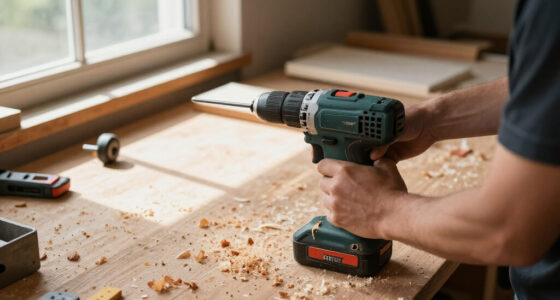
When money is tight, focus on safety first by fixing issues like faulty wiring or leaks that could cause harm. Prioritize repairs that prevent future expenses, such as water damage or mold, and consider DIY solutions for minor tasks. Break larger projects into smaller steps and spread out costs over time. Look for deals and secondhand materials to save money. If you keep exploring, you’ll uncover even more ways to make smart choices with limited funds.

Get your next haul delivered free — and shop member deals
- Fast, free delivery on millions of items
- Access to Prime Big Deal Days deals on October 6–7
- Prime Video, Amazon Music and more included
Key Takeaways
- Focus on safety and repair projects that prevent further damage or hazards first.
- Create a realistic budget, prioritizing essential needs over aesthetic upgrades.
- Break large projects into smaller tasks to spread costs and manage expenses effectively.
- Use DIY solutions and seek affordable materials to reduce costs where possible.
- Build an emergency fund to handle unexpected costs without derailing project priorities.

When funds are limited, figuring out which home projects to tackle first can feel overwhelming. You want to make smart choices that maximize your dollars, so your plan should start with clear budgeting strategies. Take a close look at your finances and create a detailed budget that accounts for your income, expenses, and any savings. Prioritize essential needs over aesthetic upgrades—think repairs that prevent further damage or safety hazards. Setting a realistic budget helps you see what’s feasible and prevents you from overspending on projects that can wait.
Start with a detailed budget, prioritize safety repairs, and focus on affordable, essential home improvements.
A vital part of your planning should involve emergency fund planning. Before diving into home improvements, verify you have a sufficient emergency fund in place—generally, enough to cover three to six months of living expenses. This safety net protects you from unexpected costs, like urgent repairs or sudden income loss, which can derail your progress. If your emergency fund isn’t enough, focus on building it up first. Once you have that buffer, you’ll have peace of mind and more flexibility to tackle home projects without risking financial instability.
When deciding which projects to prioritize, consider those that address safety and prevent future expenses. For example, fixing a leaking roof or faulty wiring might seem costly upfront, but these repairs can prevent more extensive damage down the line. Similarly, addressing mold or water issues can improve your home’s health and longevity. These projects often save money over time, making them good candidates for your limited budget. Additionally, researching cost-effective solutions can help you find affordable ways to address these issues without compromising quality. Exploring affordable repair options can also reveal creative ways to stretch your dollar further. Incorporating energy-efficient upgrades can also reduce ongoing utility costs and make your home more sustainable. Paying attention to long-term savings can ensure your investments provide benefits well into the future.
Another strategy is to break larger projects into smaller, manageable tasks. Instead of trying to do everything at once, focus on one aspect at a time. For instance, if you want to remodel your kitchen, start by replacing outdated appliances or repainting walls before tackling major renovations. This approach spreads out costs and allows you to see progress without exhausting your finances all at once. It also helps you stay motivated as you accomplish each step toward your bigger goal.
Finally, don’t forget to explore cost-saving options like DIY efforts or sourcing secondhand materials. Sometimes, doing simple repairs yourself can save hundreds of dollars. Look for deals, discounts, or free resources in your community. Additionally, considering pool maintenance tips can help you keep costs down while ensuring your backyard stays inviting. Remember, prioritization isn’t just about spending less; it’s about spending wisely. By carefully planning your budget, maintaining your emergency fund, and focusing on safety and practicality, you’ll make smarter decisions that keep your home and finances secure, even when money’s tight.
affordable home safety repair kits
As an affiliate, we earn on qualifying purchases.
As an affiliate, we earn on qualifying purchases.
Frequently Asked Questions
How Do I Determine Which Projects Add the Most Value?
To determine which projects add the most value, focus on those that improve your home exterior and boost energy efficiency. Upgrading windows or siding increases curb appeal and reduces energy bills, offering long-term savings. Consider projects that enhance comfort and reduce costs first. You’ll get the most value by investing in improvements that make your home more attractive and energy-efficient, providing both immediate satisfaction and lasting benefits.
Should I Focus on Aesthetic or Functional Improvements First?
You should focus on functional improvements first because they provide the biggest bang for your buck—think of it as laying a solid foundation for your home’s future. While cosmetic enhancements and decorative upgrades make your space pretty, fixing essential issues like plumbing or insulation conserves money and prevents costly repairs down the line. Prioritizing function ensures your home is safe, comfortable, and efficient before adding those eye-catching aesthetic details.
How Can I Effectively Schedule Multiple Small Projects?
To effectively schedule multiple small projects, use scheduling strategies that break tasks into manageable steps and set clear deadlines. Prioritize projects based on urgency and impact, then allocate specific time blocks for each. Good time management involves avoiding multitasking and focusing on one project at a time. Keep a visual calendar or planner to track progress, ensuring you stay organized and motivated while completing your projects efficiently.
What Are Cost-Effective DIY Options for Major Repairs?
You can tackle major repairs with cost-effective DIY options by focusing on budget planning and using the right DIY tools. Start by researching repair tutorials online to understand the scope and necessary supplies. Invest in essential DIY tools, like a good drill or wrench, to save money on professional labor. Prioritize repairs based on urgency, and consider repairing smaller issues yourself to free up funds for more significant projects later.
When Is It Better to Postpone Projects for Financial Reasons?
Don’t put all your eggs in one basket. When your finances are tight, it’s better to postpone luxury upgrades and seasonal projects that aren’t urgent. Focus on essential repairs to guarantee safety and functionality. If the project can wait without risking further damage or safety issues, delay it until your budget allows. Prioritizing essential repairs over non-urgent upgrades helps you manage your money wisely and avoid unnecessary stress.
As an affiliate, we earn on qualifying purchases.
Conclusion
When funds are limited, prioritizing home projects becomes essential. Focus on repairs that guarantee safety and prevent future damage, then tackle improvements that add comfort or value. Remember, isn’t it smarter to invest in fixes that protect your home first? By setting clear priorities, you make smart choices with your limited budget and avoid unnecessary stress. With thoughtful planning, you can make meaningful progress without breaking the bank. After all, isn’t a well-maintained home worth every effort?
As an affiliate, we earn on qualifying purchases.
As an affiliate, we earn on qualifying purchases.
Fall Picks
fall essentials
As an affiliate, we earn on qualifying purchases.