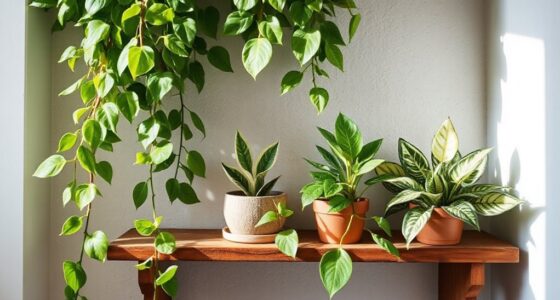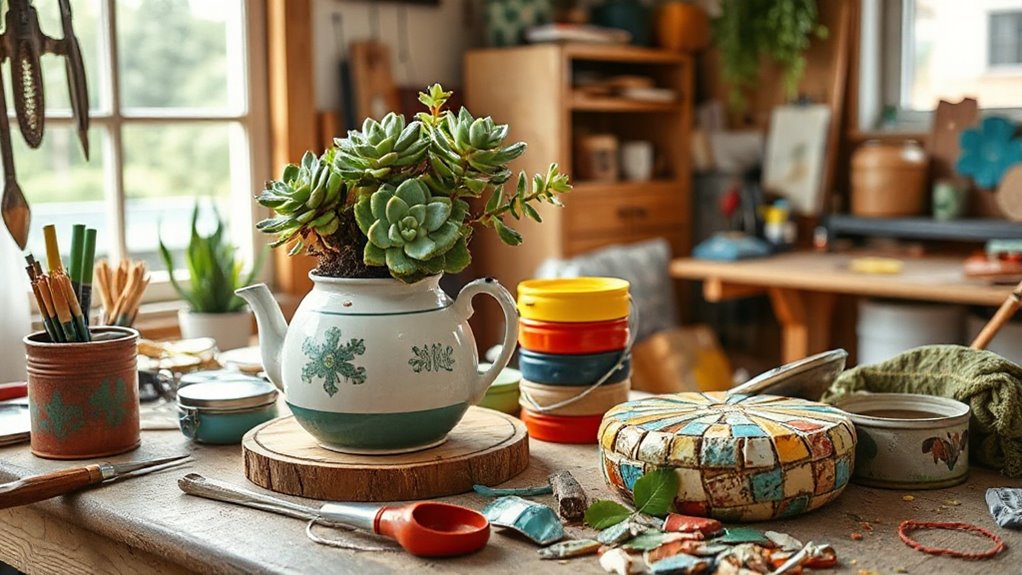
You can turn household trash into treasure with simple upcycling crafts. By reimagining items like glass jars, tin cans, or old furniture, you create unique decor while reducing waste. Use easy techniques such as painting, sanding, or reshaping to give old objects new life. Natural and recycled materials make your projects eco-friendly and budget-friendly. Keep exploring how to transform everyday household trash into beautiful, functional treasures—you’ll discover endless creative ideas along the way.
Key Takeaways
- Transform household trash like jars, cans, and textiles into functional decor or gifts through simple upcycling techniques.
- Use eco-friendly materials such as natural dyes and recycled plastics to enhance sustainability and safety.
- Repurpose items into new furniture, storage solutions, or decorative objects, adding character to your home.
- Incorporate creative methods like painting, sanding, and assembling to personalize upcycled crafts.
- Embrace cost-effective, eco-friendly approaches that reduce waste and promote sustainable living.

Upcycling crafts are a creative way to transform old or discarded items into something useful and beautiful. Instead of tossing out things you no longer need, you can repurpose them into unique pieces that add character to your home and reduce waste. The key to successful upcycling lies in understanding and applying recycling techniques, which involve reimagining items in new, functional ways. These techniques can range from simple paint jobs to more complex transformations, all aimed at giving your household trash a second life. To make your projects as eco-friendly as possible, it’s best to focus on eco friendly materials. These include natural fibers, recycled plastics, and repurposed metals, which minimize environmental impact and promote sustainability. When you begin your upcycling journey, start by sorting through your household waste, identifying items like glass jars, old furniture, tin cans, or worn-out textiles that can be transformed. Using recycling techniques, you can clean, cut, paint, or reshape these objects into something entirely different. For example, glass jars can become stylish storage containers or planters with just a coat of paint or decorative wrapping. Old wooden pallets can be turned into coffee tables or garden furniture by sanding and assembling, all while using eco friendly materials like biodegradable paints or sealants. When working with plastics or metals, opt for environmentally safe adhesives and paints to ensure your projects remain eco-conscious. Incorporating eco friendly materials not only benefits the planet but also adds authenticity to your creations. Natural dyes or non-toxic paints can give your upcycled items a vibrant finish without harmful chemicals. Additionally, considering the use of aroma oil diffusers can introduce a calming and fresh scent to your upcycled home decor. As you develop your skills, you’ll find that recycling techniques can be incredibly versatile, allowing you to create everything from jewelry to home decor. The beauty of upcycling crafts is that they are limited only by your imagination, and by choosing eco friendly materials, you’re making a positive impact on the environment. Plus, these projects often cost less than buying new, store-bought items, making them a budget-friendly way to decorate and personalize your space. Whether you’re a seasoned crafter or a beginner, upcycling offers endless possibilities to turn household trash into treasured pieces. Keep experimenting with different recycling techniques and eco friendly materials, and you’ll discover how satisfying it is to breathe new life into discarded objects. Not only will you end up with one-of-a-kind decor or gifts, but you’ll also contribute to reducing waste and promoting sustainability. So, embrace your creativity, gather your household trash, and start transforming everyday objects into beautiful, eco-friendly treasures.
Frequently Asked Questions
What Safety Precautions Should I Take During Upcycling Projects?
When upcycling, you should always wear safety gear like gloves and goggles to protect your skin and eyes. Make sure you’re working in well-ventilated areas to avoid inhaling fumes from paints, adhesives, or other chemicals. Keep a clean workspace to prevent accidents, and handle sharp tools carefully. Taking these precautions helps keep you safe while transforming household trash into treasure, making your project enjoyable and risk-free.
Which Tools Are Essential for Beginner Upcycling Crafts?
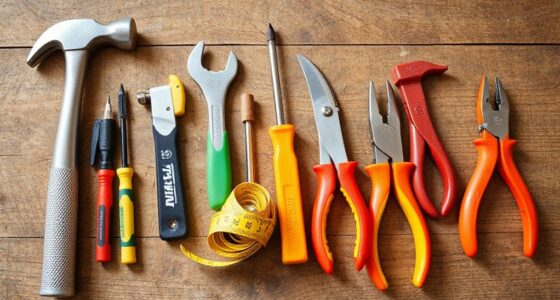
You’ll need basic tools like a hot glue gun for assembling DIY furniture and decorative accents, along with scissors and a utility knife for cutting materials. A screwdriver and sandpaper are essential for smoothing surfaces and assembling parts. These tools help you transform household trash into creative projects easily. With these essentials, you can confidently craft custom pieces and decorative accents, making your upcycling projects both fun and successful.
How Can I Find Inspiration for New Upcycling Ideas?
You can find inspiration for new upcycling ideas by exploring local recycling centers for unique materials and browsing online tutorials for creative project ideas. Visiting recycling centers exposes you to a variety of items that spark your creativity, while online tutorials offer step-by-step guidance and fresh concepts. Combining these resources helps you discover endless possibilities to transform trash into treasure and keeps your upcycling projects exciting and innovative.
Are There Environmentally Friendly Adhesives Suitable for Upcycling?
Yes, you can find environmentally friendly adhesives suitable for upcycling. Look for biodegradable glues and non-toxic adhesives, which are safe for the environment and your projects. These eco-friendly options often come in forms like plant-based glues or water-based adhesives that work well on various materials. Using biodegradable glues and non-toxic adhesives helps reduce your carbon footprint, making your upcycling projects more sustainable while ensuring your creations stay strong and safe.
How Do I Clean and Prepare Household Trash for Upcycling?
To clean and prepare household trash for upcycling, start by recycling tips like rinsing containers and removing labels. Use waste sorting to separate plastics, glass, and metals, ensuring they’re clean and dry. This helps prevent mold and makes your materials more suitable for crafting. Proper preparation not only improves the quality of your upcycled projects but also supports eco-friendly practices, turning trash into treasure with ease.
Conclusion
By choosing to upcycle, you transform trash into treasure, clutter into creativity, waste into wonder. Every bottle becomes a vase, every jar a lantern, every scrap a story. You breathe new life into what once was discarded, turning everyday items into extraordinary art. Embrace the joy of giving new purpose, the thrill of crafting with care, and the satisfaction of making a difference. In your hands, trash becomes beauty, and waste becomes a wonderful new beginning.