

When it comes to vitamins and supplements, knowing where to invest your money can be tricky. Some can truly enhance your health, while others might just be a waste. It’s essential to understand which products offer real benefits and which ones don’t live up to the hype. Have you ever wondered if your daily multivitamin is really making a difference? Let’s explore what’s worth your while and what isn’t.
Key Takeaways
- Invest in multivitamins if you have deficiencies or are pregnant; they can improve nutrient adequacy and reduce pregnancy-related risks.
- Focus on proven supplements like fish oil for heart health and vitamin D for bone strength, especially if deficient.
- Avoid high-dose vitamin C for cold prevention, as evidence shows it lacks effectiveness for this purpose.
- Skip multivitamins and supplements if well-nourished; they generally do not significantly reduce disease risk or improve memory.
- Prioritize whole foods for better nutrient absorption and consider high-quality supplements only when necessary to address specific deficiencies.
Understanding the Impact of Multivitamins and Minerals
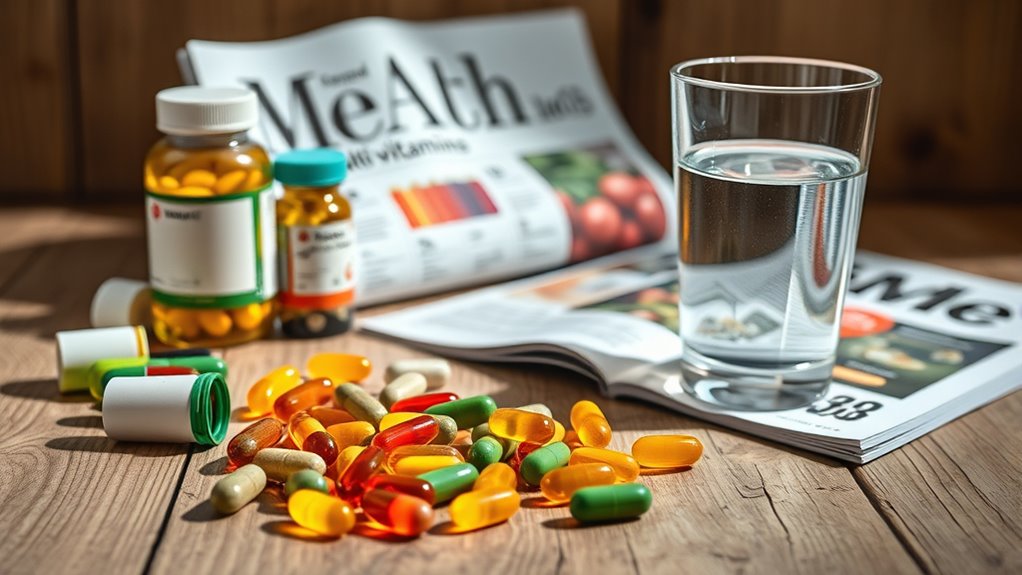
While many people turn to multivitamins and minerals to boost their nutrient intake, understanding their true impact is essential for making informed choices. Multivitamins can enhance nutrient adequacy, raising it from around 74% to 84% for both men and women. They particularly improve intake of vitamins A, E, and zinc. However, benefits aren’t universal. Studies show modest effects on chronic disease prevention or longevity for the general population. Certain groups, like pregnant women or those with nutrient deficiencies, may experience more significant advantages. It’s vital to remember that whole foods generally provide better absorption than supplements, and relying solely on them won’t compensate for poor dietary habits. Always evaluate your unique needs before adding MVMs to your routine. Additionally, adopting an abundance mindset can further enhance your overall health and well-being by promoting positive lifestyle choices.
Supplements With Proven Benefits

Understanding the role of multivitamins in your diet sets the stage for exploring supplements with proven benefits. Fish oil can modestly lower your risk of primary cardiovascular events, making it a worthwhile addition if you’re concerned about heart health. Vitamin D supports bone strength and may help reduce fatigue, especially if you’re older or deficient. Magnesium acts as a reliable stool softener and boosts muscle energy, useful for specific needs. Creatine enhances muscle energy production, beneficial for athletes. Lastly, prenatal vitamins with folic acid and omega-3 fatty acids are essential for pregnancy health, reducing risks of neural defects. These supplements have proven benefits and can considerably enhance your overall health when used appropriately. Additionally, step-by-step outdoor kitchen plans can provide a great way to integrate healthy cooking into your lifestyle, making it easier to prepare nutritious meals.
Supplements That May Not Be Worth the Investment

Many people invest in supplements hoping for health benefits, but some may not provide the value you expect. High-dose vitamin C, for instance, doesn’t prevent colds or lessen symptoms. Multivitamins might not improve memory or reduce the risk of heart disease and cancer in well-nourished individuals. Claims that vitamins like E can reverse aging or boost libido lack credible evidence. If you’re not deficient, B12 probably won’t give you an energy boost either. In the end, many herbal supplements and “green powders” show little proof of health benefits and may be unnecessary if you maintain a balanced diet. It’s crucial to evaluate your supplement choices carefully to avoid wasting money on ineffective products.
Special Considerations for Specific Populations

Some individuals, particularly those in specific life stages or circumstances, may benefit from supplements more than others. For instance, pregnant women often need multivitamins to reduce risks associated with pregnancy outcomes, like low birth weight. Older adults might require extra vitamin D, calcium, and B12 to support bone and nerve health. If you’re vegetarian or vegan, you may be at risk for vitamin B12 deficiency and could benefit from supplementation. Athletes or perimenopausal women might need additional iron and nutrients to meet increased physiological demands. In low- and middle-income countries, individuals with nutrient deficiencies can see significant benefits from multivitamin use. Additionally, engaging in regular aquatic exercise can complement a supplementation regimen by improving overall health and well-being. Always consider your unique needs before investing in supplements.
The Importance of Absorption and Bioavailability
While you might think that taking supplements guarantees you’ll get the nutrients you need, the truth lies in how well your body can absorb and utilize those nutrients. Nutrients from whole foods are generally better absorbed than those from supplements, with a few exceptions like synthetic folate, which is more bioavailable. Factors like heat processing and nutrient interactions also impact absorption; for instance, vitamin C can enhance iron absorption. Over-supplementation can lead to harmful effects or imbalances, so moderation is key. To maximize benefits, focus on a balanced diet rich in whole foods. If you do supplement, choose high-quality options and pay attention to how your body responds to ensure you’re getting the most out of your investment. Additionally, understanding nutrient interactions can further enhance your absorption and overall wellness.
Frequently Asked Questions
What Are the Best Sources of Vitamins From Food?
The best sources of vitamins from food include fruits, vegetables, whole grains, lean meats, and dairy products. For vitamin C, enjoy citrus fruits and bell peppers. Leafy greens provide plenty of vitamin K, while nuts and seeds are rich in vitamin E. You can get vitamin A from carrots and sweet potatoes. Don’t forget about fortified foods like cereals, which can also boost your vitamin intake effectively. Eating a balanced diet will cover most of your needs!
How Do I Know if I Need Supplements?
Did you know that multivitamins can raise nutrient adequacy from about 74% to 84%? To know if you need supplements, consider your diet, lifestyle, and any specific health concerns. If you’re eating a balanced diet rich in fruits, vegetables, and whole grains, you might not need them. However, if you have dietary restrictions, are pregnant, or feel fatigued, consulting a healthcare provider can help determine your specific needs.
Are There Risks of Taking Too Many Supplements?
Yes, there are risks of taking too many supplements. Over-supplementation can lead to harmful effects, including nutrient imbalances and toxicity. For instance, excessive vitamin A can cause liver damage, while too much iron can lead to gastrointestinal issues. It’s vital to remember that more isn’t always better; your body often absorbs nutrients more effectively from food. Always consult a healthcare professional before starting any new supplement regimen to guarantee safety and appropriateness for your needs.
Can Supplements Interact With Medications I Take?
Yes, supplements can interact with medications you take. Certain vitamins and minerals may alter how your body absorbs or processes medications, potentially reducing their effectiveness or increasing side effects. For instance, vitamin K can affect blood thinners, while calcium can hinder antibiotic absorption. It’s essential to discuss any supplements with your healthcare provider to guarantee they won’t interfere with your medications and to tailor your regimen safely to your health needs.
How Should I Store My Supplements for Freshness?
“An ounce of prevention is worth a pound of cure.” To keep your supplements fresh, store them in a cool, dry place away from direct sunlight and moisture. Avoid the bathroom, as humidity can degrade their quality. Make sure lids are tightly sealed to prevent air exposure. If your supplements require refrigeration, keep them in a consistent temperature. Regularly check expiration dates, and discard any that are past their prime.
Conclusion
In the world of vitamins and supplements, it’s essential to know what’s worth your money and what’s not. While some can genuinely boost your health, others might just be empty promises. Remember, a balanced diet often outshines any pill. So, before you spend, take a moment to consult your healthcare provider. It’s all about making informed choices that support your well-being. In the end, the best investment is in nourishing your body with whole foods.