
TL;DR

Get your next haul delivered free with Prime
- Fast, free delivery on millions of items
- Prime Video, Amazon Music and more included
- Member-only deals all year
Ergonomic backpacks for students are designed to evenly distribute weight, reduce strain, and prevent back problems. Features like adjustable straps and lumbar support make them a smart choice, especially for growing bodies.
Imagine a backpack that feels like it was made just for you—comfortable, balanced, and supportive. It’s not just wishful thinking. As a student carries books, laptops, and supplies, the right backpack can make a world of difference.
Many kids and teens suffer from back pain, sometimes long before they reach adulthood. The secret? It often comes down to how their backpacks sit and support their bodies. In this article, you’ll learn what makes a backpack truly ergonomic, how to spot the best options, and simple tips to keep your back healthy while carrying what you need.
Choose a backpack with adjustable, padded straps and lumbar support to match your body size.
Keep the weight below 10-15% of your body weight to avoid back strain.
Look for lightweight, water-resistant materials that last through daily wear.
Regularly check for signs of wear and replace your backpack every 1-2 years.
Innovations like built-in chargers and modular compartments can enhance safety and convenience.
What Makes an Ergonomic Backpack Truly Comfortable?
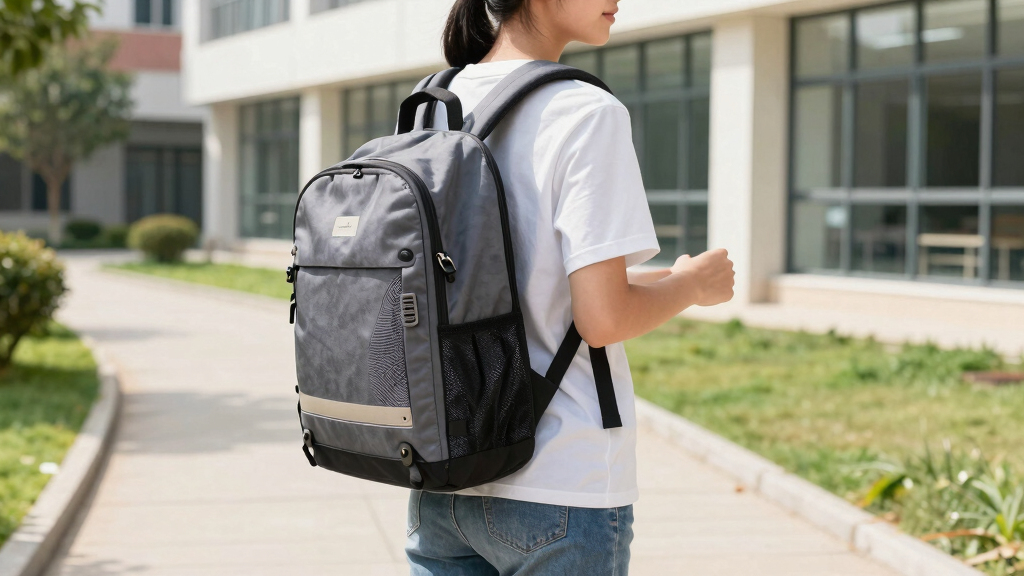
An ergonomic backpack isn’t just about style. It’s about design that respects your body’s natural shape. Look for contoured, adjustable straps that hug your shoulders without digging in. Padding on the straps and back panel softens the ride, preventing pressure points.
Imagine a teen with a 20-pound backpack. If it’s well-designed, most of that weight stays close to the back, not pulling forward or sagging. This helps avoid slouching and back strain. Proper sizing matters too—an ill-fitting pack can cause discomfort even if it’s packed with features.
ergonomic student backpack with lumbar support
As an affiliate, we earn on qualifying purchases.
As an affiliate, we earn on qualifying purchases.
How to Pick the Perfect Fit for Your Body
- Measure your torso length from the base of your neck to your hips.
- Choose a backpack with adjustable straps that can tighten or loosen to fit snugly without choking or slipping.
- Ensure the bottom of the pack rests around the waist, not below the hips.
- Test it out—wear it loaded with your typical books and see if it feels balanced.
For example, a middle schooler with a 14-inch torso will need a smaller pack compared to a high schooler with a 16-inch torso. Many brands offer size guides to match your measurements.
adjustable padded strap backpack for teens
As an affiliate, we earn on qualifying purchases.
As an affiliate, we earn on qualifying purchases.
Comparison: Traditional vs. Ergonomic Backpacks
| Feature | Traditional Backpack | Ergonomic Backpack |
|---|---|---|
| Design | Standard straps, basic shape | Contoured, adjustable, padded |
| Weight Distribution | Focus on capacity, less on comfort | Multiple compartments, lumbar support |
| Materials | Often heavier, less breathable fabrics | Lightweight, breathable, water-resistant |
| Health Impact | Higher risk of back strain | Designed to reduce strain & improve posture |
lightweight water-resistant ergonomic backpack
As an affiliate, we earn on qualifying purchases.
As an affiliate, we earn on qualifying purchases.
Top Features to Look for in an Ergonomic Backpack
- Adjustable padded straps to fit different body sizes
- Multiple compartments to spread out weight evenly
- Lumbar support to cushion the lower back
- Ventilated back panels for airflow and cooling
- Reflective elements for safety during early morning or late evening walks
back to school ergonomic backpack for students
As an affiliate, we earn on qualifying purchases.
As an affiliate, we earn on qualifying purchases.
Latest Innovations Making Backpacks Safer and Smarter
Backpacks are evolving beyond just carrying supplies. Many now include USB charging ports and hidden anti-theft pockets. Some use eco-friendly, lightweight materials that last longer without adding bulk. For example, a teen might use a sleek, slim backpack with a built-in charger for their phone, reducing the need for extra bags.
Design trends also focus on modular compartments that can be customized based on daily needs, making it easier to balance weight and organize. These innovations help students stay comfortable while staying connected and safe.
How to Prevent Back Pain When Carrying a Backpack
Carrying a backpack the right way can prevent aches and pains. Start by keeping the weight below 10-15% of your body weight. Regularly empty out unnecessary items—less weight means less strain.
Adjust straps properly so the pack sits high on your back, with the bottom just above your hips. Switch sides when carrying heavy loads, and take breaks to stretch your back and shoulders. For example, a student who switches the pack from one shoulder to the other during long walks can avoid uneven strain.
Choosing the Right Backpack for Different Ages and Bodies
Kids, teens, and young adults need backpacks that match their size and activity level. Younger children benefit from smaller, lightweight packs with padded straps. Teenagers might need larger, more feature-rich packs that support heavier loads.
For example, a high school athlete carrying sports gear needs a different design than a middle school student who only carries books. Always check the size chart and try on packs loaded with books to see how they feel.
Durable, Safe Materials for Long-lasting Backpacks
Look for water-resistant, tear-proof fabrics like nylon or polyester. These materials keep contents dry and resist wear and tear. For example, a backpack made with ripstop nylon can handle rough school days without ripping.
Avoid cheap plastics that crack easily or fabrics that stain and fade quickly. Prioritize quality, especially if your child uses the backpack daily.
When to Replace Your Backpack for Continued Comfort
Replace your backpack every 1-2 years, or sooner if it shows signs of wear—ripped straps, broken zippers, or stretched-out padding. A worn-out pack can no longer provide proper support, risking back pain.
For instance, a backpack with frayed straps may cause uneven weight distribution, leading to shoulder pain. Regularly inspecting and updating your pack keeps your back safe and healthy.
Frequently Asked Questions
How do I know if a backpack fits properly?
The bottom of the pack should sit around your hips, and straps should be snug but not tight. When loaded, it should feel balanced and not pull forward or sag. Always try it with your typical books and supplies to test comfort.
Are ergonomic backpacks really worth the extra cost?
Yes. They can prevent back pain, improve posture, and last longer. Investing a little more in quality design pays off by keeping your back healthy and reducing future medical issues.
Can I modify my current backpack to make it more ergonomic?
While some adjustments like adding padded straps or extra padding help, a backpack designed with ergonomic features from the start offers the best support. Consider upgrading if your current pack causes discomfort.
What brands are known for ergonomic backpacks for students?
Brands like Osprey, JanSport, and North Face offer models with proven ergonomic features. Look for adjustable straps, lumbar support, and lightweight designs.
How often should I check my backpack for wear and tear?
Inspect your backpack monthly, especially if it’s used daily. Replace it every 1-2 years or sooner if you notice frayed straps, broken zippers, or loss of support.
Conclusion
Picking an ergonomic backpack isn’t just about style—it’s a smart move for your health. Think of it as investing in your future back, one comfortable step at a time.
Remember, a well-fitted, supportive pack can turn a daily chore into a smoother, pain-free experience. Your back will thank you, and so will your future self.
Halloween Picks
halloween
As an affiliate, we earn on qualifying purchases.