Premium routers can help you manage multiple devices better, reduce network congestion, and enhance security features. They support higher network capacities, but they don’t fix all device compatibility issues or speed beyond your internet plan. Older devices may not benefit fully from the latest technology. Keep in mind, they’re tools for improvement, not magic solutions. To learn how to maximize your network, keep exploring these key points.

Get your next haul delivered free with Prime
- Fast, free delivery on millions of items
- Prime Video, Amazon Music and more included
- Member-only deals all year
Key Takeaways
- Premium routers effectively manage multiple devices and reduce network congestion.
- They enhance device management and support higher network capacities.
- They do not resolve all device compatibility issues or fix outdated hardware limitations.
- They cannot increase internet speeds beyond your service plan or fix inherent device vulnerabilities.
- Proper setup and device updates are necessary; routers are not a complete connectivity solution.
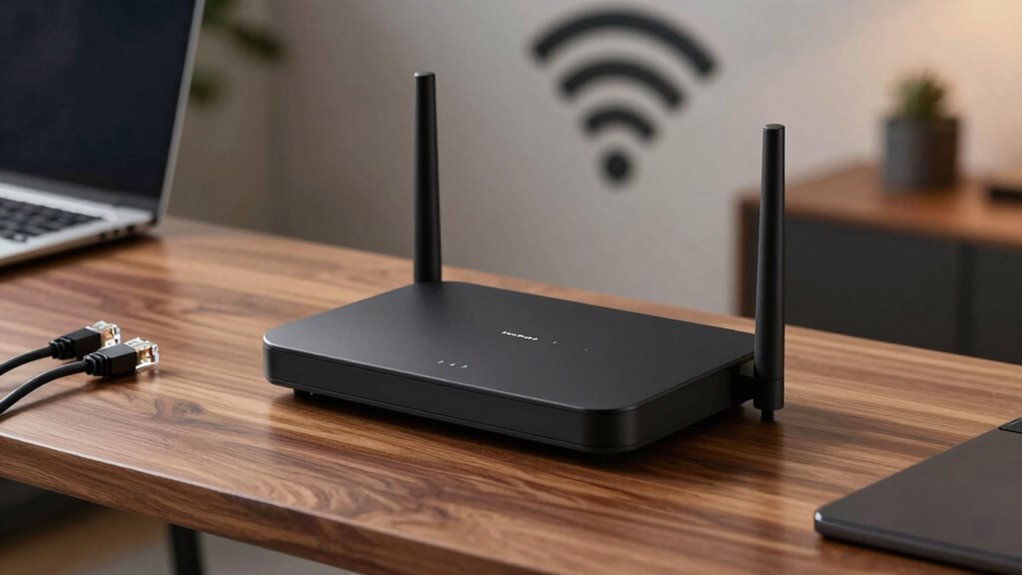
Premium routers excel at managing multiple devices, but they can’t solve every compatibility issue. If some of your gadgets aren’t compatible with the router’s Wi-Fi standards, you’ll still face connectivity problems. To get the most out of a high-end router, your devices should support the latest standards like Wi-Fi 6 or Wi-Fi 6E. Otherwise, you’re not tapping into the full potential of the device. Additionally, premium routers often come with robust security features, but they won’t protect you if your devices are inherently vulnerable or if your network isn’t configured properly. Understanding network congestion can help you better address traffic issues before they become problematic. It’s also helpful to consider hardware limitations when upgrading, as older devices may not support the latest technology even with a premium router. Recognizing device capabilities is essential for setting realistic expectations about your network’s performance.
In essence, a premium router can fix certain problems like network congestion and improve device management. Still, it’s not a magic bullet for all internet issues. Your internet speed is bound by your service plan, and device compatibility remains a key factor in realizing the benefits. If you upgrade, do so with realistic expectations. Think of it as an upgrade to your network’s capacity, not a guarantee of faster speeds or complete connectivity fixes. To truly optimize your setup, evaluate a holistic approach that includes checking your internet plan, updating your devices, and properly configuring your network.
As an affiliate, we earn on qualifying purchases.
Frequently Asked Questions
Do Premium Routers Improve Wi-Fi Speed for All Devices Equally?
Premium routers don’t improve Wi-Fi speed equally for all your devices. They’re designed to reduce signal interference and enhance overall network stability, but device compatibility plays a big role. Older devices or those with limited Wi-Fi standards might not see the same speed boost as newer ones. So, while premium routers generally offer better performance, the actual speed increase depends on your devices and how they connect to the network.
Can Premium Routers Eliminate All Wi-Fi Dead Zones in a Home?
Sometimes, it feels like Wi-Fi dead zones appear just when you need them most. Premium routers alone can’t eliminate all dead spots, but they can help. By supporting mesh networks and signal repeaters, they extend coverage and improve connectivity throughout your home. Keep in mind, obstacles and layout still matter. Combining a premium router with these tools can substantially reduce dead zones, but complete elimination depends on your home’s unique setup.
Are Premium Routers Compatible With All Internet Service Providers?
Premium routers are generally compatible with most internet service providers, but you should check their router compatibility before buying. They can help reduce bandwidth throttling by managing traffic more efficiently. However, some ISPs may require specific settings or equipment. To guarantee smooth integration, verify your provider’s compatibility guidelines and consider whether the router supports your connection type, like fiber or cable, for peak performance.
Do Premium Routers Require Professional Installation or Setup?
Setting up a premium router is like launching a spaceship—exciting yet complex. You usually don’t need professional installation, as many come with user-friendly guides. However, configuring network security and parental controls might require some technical know-how. While the setup can be straightforward, taking time to personalize these features guarantees your network stays safe and family-friendly, making the process smoother and more secure for everyone involved.
How Often Should I Update the Firmware of a Premium Router?
You should update your premium router’s firmware regularly, ideally every few months or as soon as security patches are released. Firmware updates fix bugs, improve performance, and enhance security, so staying current helps protect your network. Check for updates through the router’s admin interface or the manufacturer’s website. Promptly installing these updates guarantees your premium router remains secure, reliable, and functioning at its best.
As an affiliate, we earn on qualifying purchases.
Conclusion
Premium routers can fix slow speeds and dead zones, boosting your connection where others falter. But they don’t fix every issue—like outdated plans or interference from neighbors. While they improve your home network, they can’t solve every problem. It’s a balance: enhanced performance meets limitations. You get faster, more reliable Wi-Fi, yet some frustrations still linger. Knowing what they fix—and what they don’t—helps you make smarter choices for a better online experience.
As an affiliate, we earn on qualifying purchases.
router with advanced security features
As an affiliate, we earn on qualifying purchases.
As an affiliate, we earn on qualifying purchases.
Halloween Picks
halloween
As an affiliate, we earn on qualifying purchases.