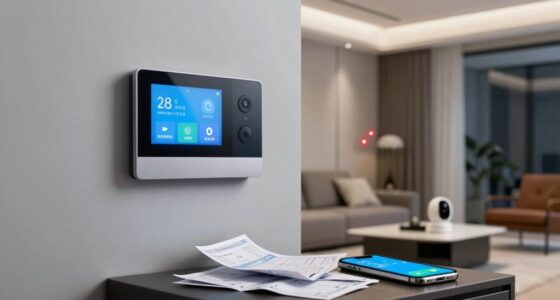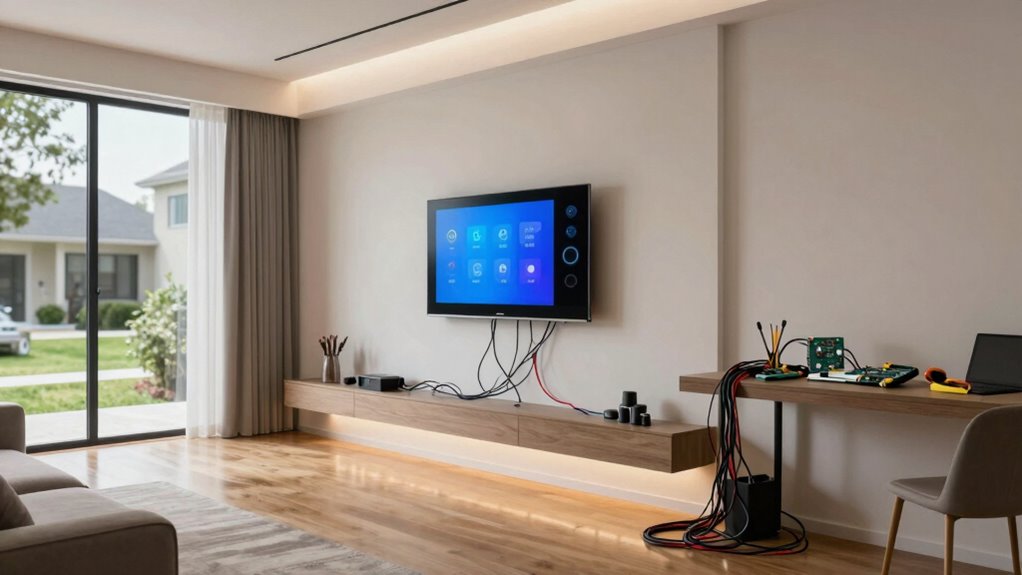

Building a smart home can seem straightforward, but hidden costs often catch you off guard. You’ll face ongoing expenses for maintenance, security updates, and device upgrades. Compatibility issues may require costly replacements or additional hubs, and energy management can actually increase your bills if devices aren’t properly calibrated. Plus, software subscriptions and security measures add to the long-term financial burden. Stay informed—there’s more to take into account if you want to avoid unexpected expenses down the line.
Key Takeaways
- Initial device costs and ongoing maintenance can exceed expectations, especially when upgrading or expanding the system.
- Poorly managed devices may increase energy consumption, offsetting savings and raising utility bills.
- Cybersecurity measures, including passwords and updates, incur additional costs to prevent costly breaches.
- Compatibility issues often require extra hardware, software subscriptions, or replacements, adding to long-term expenses.
- Continuous management, security, and upgrades can turn a smart home into a significant ongoing financial commitment.
Building a smart home often seems straightforward, but many homeowners overlook the hidden costs that can quickly add up. While the initial investment in devices like smart thermostats, lighting, and security systems might seem reasonable, maintaining and expanding your system can be more expensive than anticipated. One of the primary areas where costs can surprise you is in achieving genuine energy efficiency. Many smart devices promise to save money on utilities, but if not carefully managed, they can lead to increased energy consumption. For example, installing multiple smart gadgets might seem to optimize energy use, but if these devices aren’t properly calibrated or if they’re left running when not needed, your energy bills can spike rather than decrease. Over time, the cost of upgrading outdated hardware or replacing malfunctioning devices can also add up, eating into your initial savings. Additionally, proper calibration and management are crucial to truly benefit from energy-efficient smart home technology.
Smart devices can increase energy costs if not properly calibrated or managed.
Another often overlooked expense involves addressing security vulnerabilities. Smart home systems are connected to the internet, making them attractive targets for cybercriminals. If you don’t invest in strong security measures—such as robust passwords, regular firmware updates, and secure networks—you risk exposing your home to potential breaches. These security vulnerabilities can lead to costly consequences, from theft of personal data to unauthorized access to your home’s entry points. Securing your smart home isn’t just a one-time effort; it requires ongoing attention and sometimes additional hardware or software, which can incur additional costs. If you neglect these security measures, you might face the expense of repairing or replacing compromised devices and, in worst cases, dealing with the fallout of a security breach.
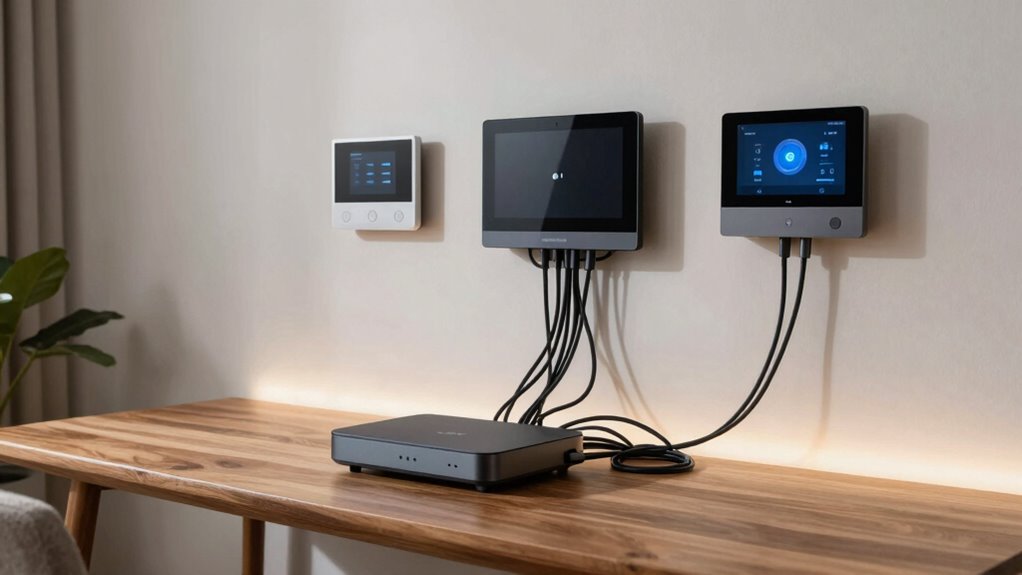
Beyond security, the hidden costs also include compatibility issues. Not all smart devices work seamlessly together, and integrating new products into an existing system can require costly upgrades or replacements. You might find that certain devices need specific hubs or controllers, which means additional expenses. Additionally, software subscriptions for advanced features or enhanced security can accumulate over time, adding to your overall maintenance costs. If you’re not prepared for these ongoing expenses, your smart home can become more of a financial burden than a convenience. Recognizing potential compatibility challenges early on can help you plan more effectively and avoid unnecessary expenses down the line.
In the end, building a smart home involves more than just installing a few gadgets. You need to think about the long-term costs associated with maintaining energy efficiency, safeguarding against security vulnerabilities, and ensuring compatibility. By understanding these hidden expenses upfront, you can plan better and avoid surprises that threaten to turn your smart home dream into a costly ordeal.

Ring Alarm 14-Piece Kit (newest model), Wireless smart home or business security system, expandable, easy setup, Mobile App Control, 24/7 Professional Monitoring, Alexa Compatible
A great fit for 2-4 bedroom homes, this Alarm Kit includes one Base Station, two Keypads, eight Contact…
As an affiliate, we earn on qualifying purchases.
As an affiliate, we earn on qualifying purchases.
Frequently Asked Questions
How Do Smart Home Costs Vary by Location?
Smart home costs vary by location due to regional price disparities and installation expenses. In some areas, you might pay higher prices for equipment and professional installation because of local labor rates or limited availability of skilled technicians. Conversely, regions with more competitive markets or better infrastructure often offer lower costs. You should research your local market to understand how these factors can impact your overall smart home budget.
Are There Ongoing Subscription Fees for Smart Home Devices?
Yes, many smart home devices come with ongoing costs like subscription fees. These fees often cover premium features, cloud storage, or enhanced security services. You should consider these ongoing costs when budgeting for your smart home, as they can add up over time. Not all devices require subscriptions, but it’s important to comprehend which ones do to avoid surprises and ensure your smart home remains functional and secure.
What Are the Long-Term Maintenance Costs?
Long-term maintenance costs can become a significant strain. You’ll need to budget for basic repairs, routine replacements, and upgrades to keep your smart system seamless. As technology advances, staying current demands technological upgrades, which can be pricey. Plus, ongoing energy efficiency efforts might require additional investments in smarter devices and systems to optimize utility bills, preventing penny-pinching from becoming a persistent problem. Proper planning helps prevent future financial frustrations.
How Do Privacy Concerns Impact Cost Considerations?
Privacy concerns considerably impact your cost considerations because investing in robust data security measures is essential to protect your user privacy. You might need to spend on secure networks, encryption, and regular updates to prevent breaches. These added expenses guarantee your personal data remains safe, which can increase your overall smart home costs. Prioritizing data security helps you avoid costly privacy violations and maintains your confidence in smart technology.
Can Smart Home Investments Increase Property Value?
Yes, smart home investments can boost your property value, making it shine like a gem. By installing energy-saving devices and opting for DIY installation, you save costs and appeal to eco-conscious buyers. These upgrades make your home more attractive, demonstrating modern convenience and efficiency. As a result, your property becomes more desirable on the market, potentially increasing its worth and helping you enjoy a higher return on your smart investments.

ecobee Smart Thermostat Essential – Energy Star Certified programmable Wi-Fi Thermostat – Works with Siri, Alexa, and Google Assistant
Save up to 23% every year on heating and cooling costs, adjusts to your set schedule to save…
As an affiliate, we earn on qualifying purchases.
As an affiliate, we earn on qualifying purchases.
Conclusion
Building a smart home isn’t just about the upfront costs; there are hidden expenses that can sneak up on you. You might think you’re getting a bargain, but unforeseen costs for upgrades, maintenance, or compatibility issues can add up. It’s essential to do your homework before diving in. Remember, don’t put all your eggs in one basket—planning ahead can help you avoid surprises and make your smart home truly work for you, not against you.

Amazon Echo Hub, 8” smart home control panel, Designed for Alexa+, Compatible with thousands of devices
Echo Hub — An easy-to-use Alexa-enabled control panel for your smart home devices—just ask Alexa or tap the…
As an affiliate, we earn on qualifying purchases.
As an affiliate, we earn on qualifying purchases.

ANGSO-AUTO ADAS Calibration Tool Kit Compatible with Honda Toyota Kia Ford ADAS Radar Aiming Calibration Tool,Post with 0-30 Centimeter Scale,Corner Reflector Target with Billet Aluminum Stand
Universal Compatibility: Fit for Honda, Toyota, Kia, and Ford vehicles,Whether you're a professional mechanic or a DIY enthusiast,…
As an affiliate, we earn on qualifying purchases.
As an affiliate, we earn on qualifying purchases.