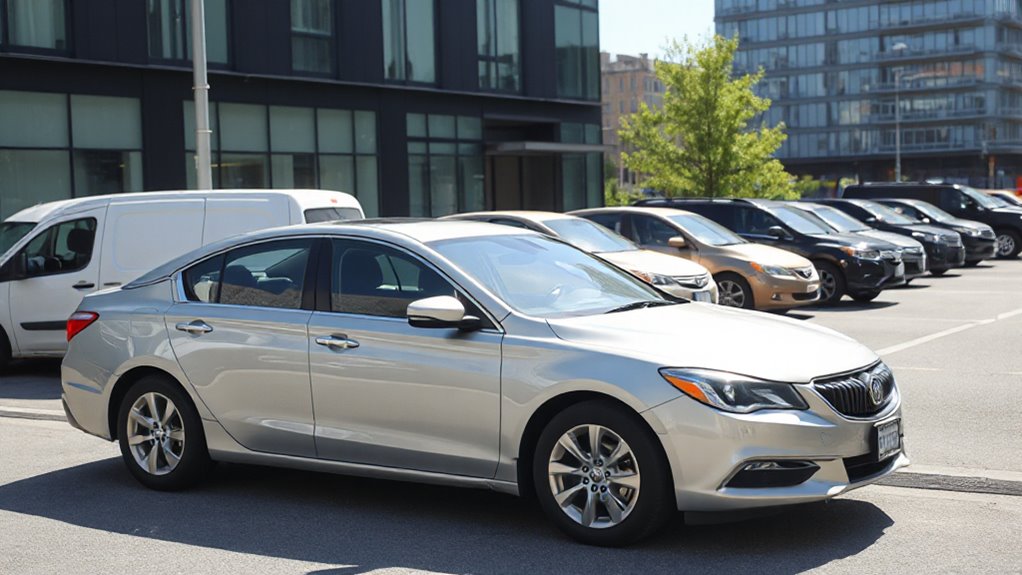

Ex-rental and fleet vehicles can be hidden gems or money pits, depending on how well you appraise their condition. Since they’re often well-maintained, they can offer modern features at lower prices, but some may have experienced harsh use. To avoid surprises, check detailed maintenance records and inspect for excessive wear. By carefully evaluating these cars, you can uncover great deals and reliable transportation—if you know what to look for, there’s more to discover.
Key Takeaways
- Well-maintained and regularly serviced ex-rental and fleet vehicles often offer reliable transportation at lower costs.
- Detailed maintenance records and potential warranties help verify vehicle quality and reduce purchase risks.
- Thorough inspection is essential to identify any excessive wear or damage from aggressive usage.
- Competitive pricing and modern features make these vehicles attractive deals for budget-conscious buyers.
- Proper evaluation and research can turn ex-rentals into valuable, dependable vehicles rather than money pits.

Have you ever contemplated buying a used vehicle that was previously part of a rental or fleet? Many people overlook these cars, but they can actually offer some notable benefits if you know what to look for. One of the biggest advantages is the leasing advantages that come with fleet and rental vehicles. Since these cars are often leased or rented in bulk, they tend to be well-maintained and regularly serviced. This consistent upkeep can translate into fewer surprises down the road, making them a potentially smart buy. Additionally, rental agencies and fleet operators usually keep detailed records of maintenance and repairs, so you have a clearer picture of the vehicle’s history. That transparency can give you peace of mind, especially if you’re wary of hidden problems with used cars.
Another point to consider is maintenance costs. Vehicles from rental and fleet programs are typically driven by multiple users, which can sometimes lead to higher wear and tear. However, because these cars are often returned to dealers or leasing companies at regular intervals, they tend to be serviced more frequently than average used cars. This proactive maintenance helps prevent small issues from turning into costly repairs later on. Plus, since many of these vehicles are still under manufacturer warranties or extended service plans, you might benefit from lower maintenance costs compared to buying an older, private-party vehicle. Moreover, the high-quality maintenance records typically associated with fleet vehicles can help you make an informed decision.
Rental and fleet vehicles often receive regular maintenance, lowering repair costs and enhancing reliability for buyers.
Of course, not all ex-rental or fleet vehicles are perfect. It’s essential to do your homework and inspect the car thoroughly. Some models may have been subjected to more aggressive driving or harsh usage, which could affect longevity. But if you’re diligent in your inspection and review the vehicle’s history, you might find a gem that offers excellent value. Many ex-rentals are newer models with modern features, which means you could get a well-equipped car at a fraction of the new-car price.
Furthermore, buying a vehicle that was part of a rental or fleet can sometimes mean less emotional attachment and easier negotiations. Dealers often price these cars competitively because they want to move inventory quickly. You might be able to get a good deal if you’re prepared to do some research and comparison shopping. Just remember to factor in potential maintenance costs and confirm the vehicle has been properly maintained. With careful evaluation, an ex-rental or fleet vehicle can be a practical, budget-friendly choice that provides reliable transportation without the hefty price tag of a brand-new car.
Frequently Asked Questions
How Can I Verify the Vehicle’s Maintenance History Accurately?
You can verify the vehicle’s maintenance history accurately by reviewing detailed vehicle history reports from reputable sources like Carfax or AutoCheck. These reports include maintenance record verification, showing service dates, repairs, and recalls. Always ask for the vehicle’s service records directly from the seller or dealer, and cross-check the information with the history reports to guarantee consistency and completeness before making a purchase.
Are Ex-Rental Vehicles More Prone to Hidden Damages?
Yes, ex-rental vehicles can be more prone to hidden damages due to wear and tear from frequent use. Rental companies often perform regular maintenance, but some issues like minor dents, scratches, or mechanical problems might not be immediately visible. Before buying, inspect the vehicle thoroughly, get a trusted mechanic to check for concealed damages, and review the maintenance history to ensure you’re aware of potential issues.
What Warranties Typically Come With Fleet or Ex-Rental Cars?
In a manner reminiscent of a bygone era, you’ll find that fleet or ex-rental cars often come with limited warranty coverage, typically including basic powertrain warranties that last around 12 months or 12,000 miles. Repair policies vary, but many dealerships or vendors offer short-term warranties or optional extended coverage. Always read the fine print to understand what’s included, especially since these warranties might not cover all repairs or damages.
How Do I Identify if a Vehicle Has Been in an Accident?
You can identify if a vehicle has been in an accident by inspecting for accident indicators and damage signs. Look for uneven paint, mismatched panels, or gaps between parts. Check for weld lines or overspray around the frame, and examine the alignment of doors, trunk, and hood. A thorough inspection, along with a professional mechanic’s assessment, helps uncover hidden damage and guarantees you’re making an informed decision.
What Are the Long-Term Cost Differences Compared to New Cars?
You’ll likely spend less upfront on used ex-rental or fleet vehicles, but long-term costs can add up. They often face higher depreciation costs and insurance premiums, making maintenance and repairs more expensive over time. While new cars start with rapid depreciation, they usually cost less to insure and maintain initially. Your decision depends on balancing these ongoing expenses with the initial savings, ensuring you choose the right fit for your budget.
Conclusion
Managing ex-rental and fleet vehicles is like walking a tightrope—hidden treasures may sparkle, but lurking pitfalls can trip you up. With a keen eye, you can uncover these hidden gems that shine like polished jewels, offering great value. However, ignore the details, and you’ll find yourself caught in a web of costly surprises. Approach with caution, and you’ll turn what seems like a risky gamble into a smooth ride down a well-paved road.