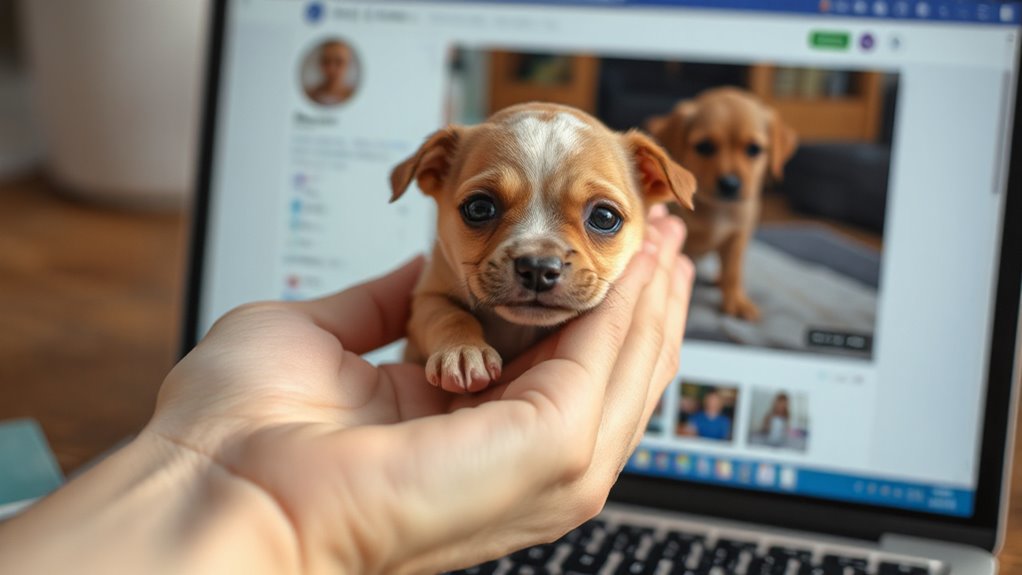

To avoid pet adoption scams, always verify the breeder’s reputation by checking reviews and asking for detailed health records, including authentic veterinary certificates. Be cautious if they resist in-person visits or provide suspicious or counterfeit documents. Watch out for prices that seem too good to be true or high-pressure tactics. Staying alert helps protect your finances and heart; discovering more tips will guide you better in identifying and avoiding fake breeders.

Get your next haul delivered free — and shop member deals
- Fast, free delivery on millions of items
- Access to Prime Big Deal Days deals on October 6–7
- Prime Video, Amazon Music and more included
Key Takeaways
- Verify the breeder or shelter’s credentials and reputation through reviews and official licensing sources.
- Always request and carefully review authentic veterinary certificates and health records before adoption.
- Be cautious of sellers who resist in-person visits or provide unclear or suspicious documentation.
- Avoid deals that seem too good to be true or pressure you into quick decisions or payments.
- Conduct thorough research, cross-check information, and use protected payment methods to prevent fraud.
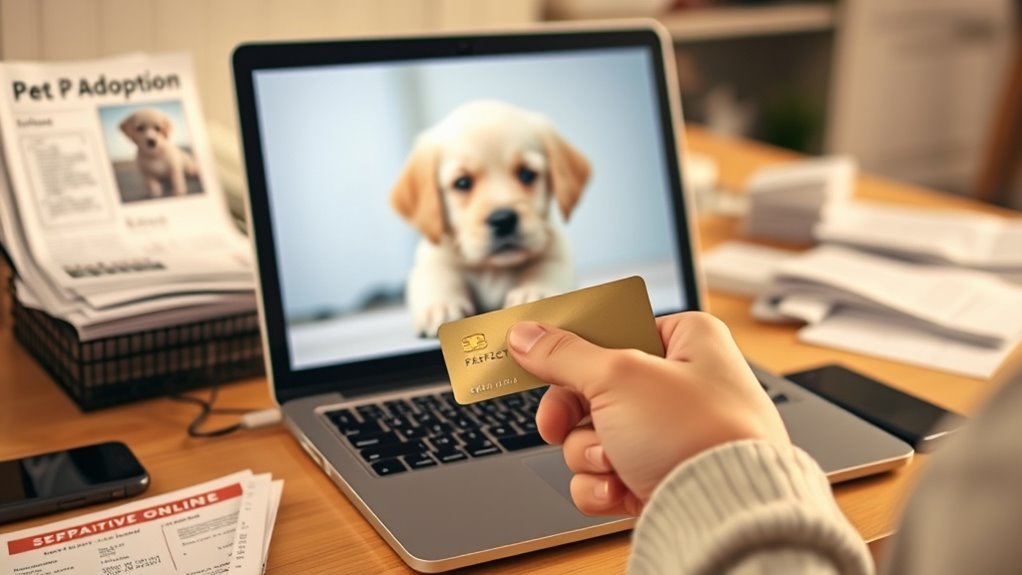
Pet adoption scams are a growing problem that can leave hopeful adopters feeling betrayed and financially harmed. Scammers often pose as genuine breeders or shelters, using fake breeder operations to lure in unsuspecting buyers. These fake breeders create convincing websites and social media profiles, claiming to offer purebred or rare puppies and kittens. They might even provide counterfeit veterinary certificates to give the illusion of legitimacy, making it harder for you to distinguish between real and fake. These certificates often look official, but upon closer inspection, they might contain errors, misspellings, or inconsistent details that reveal their fraudulent nature. It’s essential to be cautious when dealing with breeders who rush you into making decisions or ask for full payment upfront without proper documentation.
You should always verify the breeder’s credentials and ask for detailed health records and veterinary certificates. Genuine breeders typically have veterinary certificates that are issued by licensed veterinarians and include specific health information about the animal, such as vaccinations and health checks. If a breeder cannot produce authentic veterinary documents or seems unwilling to provide them, it’s a red flag. Fake breeder operations often use counterfeit veterinary certificates to trick buyers into believing they’re dealing with reputable sources. They may also claim that the pet has special health conditions or rare traits to justify higher prices, but these claims are often fabricated. Always cross-check the information by contacting the issuing veterinarian or clinic directly.
Additionally, be wary of breeders who avoid in-person visits or refuse to show you the living conditions of the animals. Authentic breeders welcome visits and are transparent about their operations. It’s also wise to research the breeder’s reputation online, looking for reviews or complaints. If anything seems suspicious or too good to be true—like a markedly lower price than market value—take a step back. Scammers often rely on urgency, pressuring you to make quick decisions or send money immediately. Never wire money or use payment methods that lack buyer protections. Recognizing the role of accurate documentation can significantly reduce the risk of falling victim to these scams.
As an affiliate, we earn on qualifying purchases.
Frequently Asked Questions
How Can I Verify a Legitimate Pet Rescue Organization?
To verify a legitimate pet rescue organization, start by checking their rescue certifications and vet credentials. Look for transparency on their website about their licensing and affiliation with recognized groups. Contact their veterinarians to confirm their care standards. Read reviews and ask for references from past adopters. Trust organizations that openly share their mission, success stories, and proper licensing, ensuring your adoption is safe and ethical.
What Are Common Signs of a Scammer Posing as a Pet Seller?
Nearly 70% of scammer profiles use fake photos to trick buyers, so watch out for blurry or inconsistent images. If a seller insists on unusual payment methods like wire transfers or gift cards, that’s a red flag. They may avoid in-person visits or refuse to share detailed information about the pet. Stay cautious, verify the seller’s identity, and never send money before seeing the animal firsthand.
Are There Specific Red Flags to Watch for Online Pet Ads?
Yes, watch for red flags like fake reviews and unverified photos in online pet ads. If reviews seem overly positive or suspiciously generic, it’s a sign to be cautious. Also, check if photos are unverified or look overly staged; scammers often use stock images. Be wary if the seller avoids providing detailed information or insists on quick transactions. Trust your instincts and verify the seller’s credentials before proceeding.
How Can I Protect My Personal Information During Adoption?
Think of yourself as a digital fortress. To protect your personal info during adoption, use secure online communication platforms with encryption. Avoid sharing sensitive details like your address or financial info through unsecured emails or messaging. Verify the website’s security, look for HTTPS, and never send personal info unless you’re sure it’s legitimate. Stay vigilant—your privacy is your best defense against fraud and heartbreak in pet adoption.
What Steps Should I Take if I Suspect a Scam?
If you suspect a scam, act quickly by stopping all communication with the seller and gathering any evidence like emails or profiles. Contact local authorities or consumer protection agencies for legal advice, and consider reporting the scam to online platforms. Seek emotional support from friends, family, or support groups to cope with the stress. Taking these steps helps protect yourself and prevents others from falling victim to fraud.
As an affiliate, we earn on qualifying purchases.
Conclusion
By staying vigilant and trusting your instincts, you can avoid falling for pet adoption scams that are more common than you’d believe. Remember, scammers can be as convincing as a smooth talker, but your careful research is your best defense. Protect your heart and wallet from heartbreak and fraud—don’t let a scam ruin the joy of finding your perfect furry friend. Stay alert, ask questions, and always verify before you commit. Your future pet will thank you!
As an affiliate, we earn on qualifying purchases.
pet adoption scam prevention guide
As an affiliate, we earn on qualifying purchases.
As an affiliate, we earn on qualifying purchases.
Fall Picks
fall essentials
As an affiliate, we earn on qualifying purchases.