Choosing between DIY grooming and professional services depends on your pet’s breed-specific coat needs and your confidence. If your dog has a simple coat, you might handle regular grooming at home, saving money and bonding with your pet. However, complex coat types or those requiring precise trimming benefit from a professional groomer’s expertise. Considering your skill level and your pet’s comfort can help you decide what’s best. If you want to discover more, keep exploring your options.
Key Takeaways
- Consider your pet’s coat type and grooming complexity when choosing between DIY and professional grooming.
- DIY grooming suits simple coats and owners with grooming skills, while complex coats benefit from professional expertise.
- Professional groomers ensure precise cuts and thorough care, reducing risks like skin injuries or uneven trimming.
- DIY grooming fosters bonding and saves costs but may lack the tools and experience for intricate coat types.
- Balance pet needs, owner skill, and grooming frequency to determine the best approach for your pet’s health and appearance.

Have you ever wondered why grooming routines vary so much between dog breeds? It’s because each breed has unique coat types, which require specific care to keep them healthy and comfortable. For example, some dogs have long, flowing hair that needs regular coat trimming to prevent mats and tangles. Others have short, dense coats that require less frequent trimming but still benefit from proper grooming. Understanding these differences helps you decide whether to handle grooming yourself or seek professional help.
Grooming needs vary by breed due to unique coat types and care requirements.
When it comes to coat trimming, the key is knowing the right techniques for your dog’s coat type. For breeds with thick or curly fur, such as poodles or bichon frises, professional groomers often have specialized tools and experience to achieve a clean, even cut. They can shape the coat to maintain breed standards or your preferred style while ensuring the hair isn’t cut too short, which could lead to skin irritation. On the other hand, if your dog has a simple, short coat, you might find that basic trimming at home with scissors or clippers is enough to keep them tidy. Just remember, improper trimming can cause uneven cuts or accidental nicks, so if you’re unsure, a professional groomer can help you learn the right techniques.
Bath techniques are equally important and vary depending on your dog’s coat and skin sensitivity. For breeds with water-repellent or double coats, like retrievers or huskies, a thorough bath followed by proper drying ensures their coat stays healthy and free of dirt and odors. When bathing your pet, use lukewarm water and a gentle, breed-appropriate shampoo to avoid skin irritation. Proper rinsing is essential to remove all soap residue, which can cause itching or dryness. After the bath, drying techniques matter—air drying might be suitable for some breeds, but many benefit from towel drying or even blow-drying on a low heat setting to prevent mats and promote a sleek coat. Professional groomers often have advanced tools and knowledge to execute bath techniques that minimize stress for your dog and maximize cleanliness.
Deciding whether to groom your dog yourself or hire a professional depends on your comfort level, your dog’s coat type, and how much time you can dedicate. If your dog’s grooming needs are straightforward and you’re willing to learn proper coat trimming and bath techniques, DIY grooming can be a rewarding bonding experience. However, for complex coats or if your dog gets anxious during grooming, a professional might be the best choice. They bring expertise, proper tools, and experience to ensure your pet’s coat stays healthy, shiny, and well-maintained.

Amazon Basics Sturdy and Portable Ergonomic Laptop Stand for Desk, Height Adjustable Riser with Ventilated Cooling, Foldable, Fits all Laptops up to 15.6 Inch, Silver
- Adjustable Height: Up to 7 inches for personalized comfort
- Universal Compatibility: Supports laptops 10-15.6 inches
- Sturdy Aluminum Build: Lightweight, rust-resistant, supports 11 lbs
As an affiliate, we earn on qualifying purchases.
Frequently Asked Questions
How Often Should Specific Breeds Be Groomed?
The grooming frequency depends on your dog’s breed coat type. For example, short-haired breeds need grooming every 4-6 weeks, while long-haired breeds require more frequent sessions, often every 6-8 weeks. Regular grooming helps keep their coat healthy and prevents matting. Be attentive to your pet’s specific needs, and consult your vet or professional groomer for tailored advice on the ideal grooming schedule for your breed.
What Tools Are Essential for DIY Grooming?
You need essential tools like clippers, scissors, a slicker brush, and a nail grinder for DIY grooming. Always prioritize pet safety by using grooming products suited for your pet’s breed and coat type. Keep a steady hand, work calmly, and check for any skin issues. Having the right tools and grooming products guarantees a safe, comfortable experience, helping you maintain your pet’s hygiene and appearance without stress.
Are There Breed-Specific Grooming Challenges?
Yes, breed-specific grooming challenges exist and you should be aware of them. For example, curly-coated breeds need regular trimming to prevent matting, while long-haired breeds require frequent brushing to avoid tangles. Small breeds might be more delicate, and breeds with sensitive skin can be prone to irritation. Understanding these grooming challenges helps you decide when to tackle grooming yourself or seek professional help to keep your pet comfortable and looking great.
How Do Grooming Needs Change With Age?
Sure, because aging pets love to surprise you with age-related skin issues, your grooming routine must adapt. As your furry friend gets older, their skin becomes more delicate, and grooming for senior pets requires gentler techniques. You might notice mats forming more easily or skin sensitivities emerging—so be prepared to switch to softer brushes and shorter sessions. Irony? Your pet’s age demands more care, yet they often tolerate less grooming time.
What Signs Indicate Professional Grooming Is Necessary?
If your pet shows signs of grooming safety issues or seems uncomfortable during grooming, it’s time to see a professional. Look for excessive scratching, skin irritation, or matted fur, which can cause discomfort or health problems. Professional groomers are skilled at maintaining pet comfort and ensuring safe grooming practices. If you’re unsure, consulting a professional helps prevent stress or injury, keeping your pet safe and happy.

LOXP Adjustable Laptop Stand for Desk, Portable Airflow Laptop Riser Holder
- Adjustable & Ergonomic: Customizable height and angle for comfort
- Sturdy & Protective: Supports up to 8.8 lbs with non-slip pads
- Device Safety: Silicone pads prevent scratches and sliding
As an affiliate, we earn on qualifying purchases.
Conclusion
Ultimately, whether you groom your pet yourself or hire a pro, remember that your choice shapes your furry friend’s happiness and health. DIY grooming can be rewarding but tricky, like steering through a maze without a map. Hiring a professional ensures expert care, but costs can add up faster than a rocket. Whichever route you take, your love and attention are the most powerful tools—your pet will thank you with endless loyalty and wagging tails that could light up a city!

JanSport Laptop Backpack - Computer Bag with 2 Compartments, Ergonomic Shoulder Straps, 15” Laptop Sleeve, Haul Handle - Pastel Lilac
- Spacious Design: Large capacity with multiple compartments
- Laptop Protection: Dedicated 15-inch padded laptop sleeve
- Durable Materials: Made from high-quality recycled materials
As an affiliate, we earn on qualifying purchases.
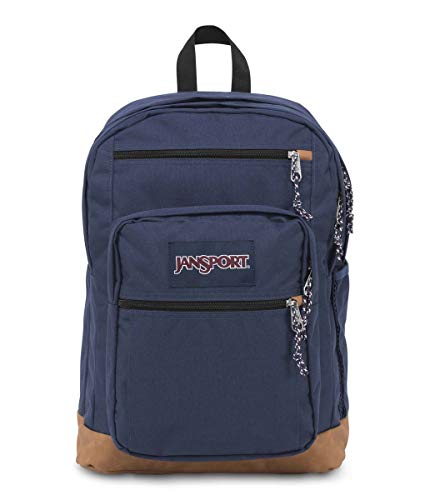
JanSport Cool Backpack, with 15-inch Laptop Sleeve - Large Computer Bag Rucksack with 2 Compartments, Ergonomic Straps, Navy
- Spacious Design: Large compartments with 15-inch laptop sleeve
- Stylish & Durable: Synthetic leather base and durable fabric
- Multiple Storage Pockets: Water bottle pocket and 3 front zippers
As an affiliate, we earn on qualifying purchases.