
You can successfully potty train your child without expensive gadgets by sticking to simple, affordable tools like a basic potty or sturdy seat reducer. Establish routine potty times, like after meals or before bed, to build habit and confidence. Use positive reinforcement such as praise or small rewards to motivate your child. Access free resources and involve your kid in choosing underwear or potty seats to boost enthusiasm—continue to discover budget-friendly tips to make the process easier.

Get your next haul delivered free — and shop member deals
- Fast, free delivery on millions of items
- Access to Prime Big Deal Days deals on October 6–7
- Prime Video, Amazon Music and more included
Key Takeaways
- Use a basic, affordable potty or sturdy seat reducer instead of expensive, high-tech equipment.
- Establish consistent routines like after meals or before bedtime to build habits without extra tools.
- Offer praise and simple rewards such as extra playtime or snacks instead of costly incentives.
- Access free online resources, printable charts, and tips to guide your potty training process.
- Involve your child in choosing their underwear or potty seat to boost motivation without spending much.
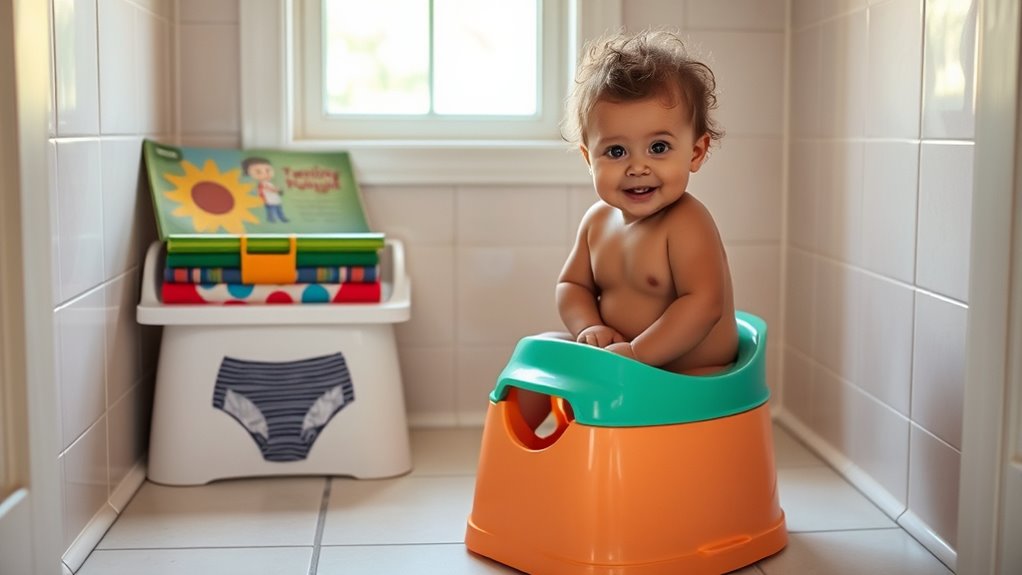
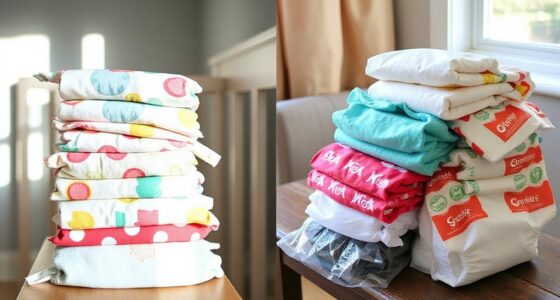
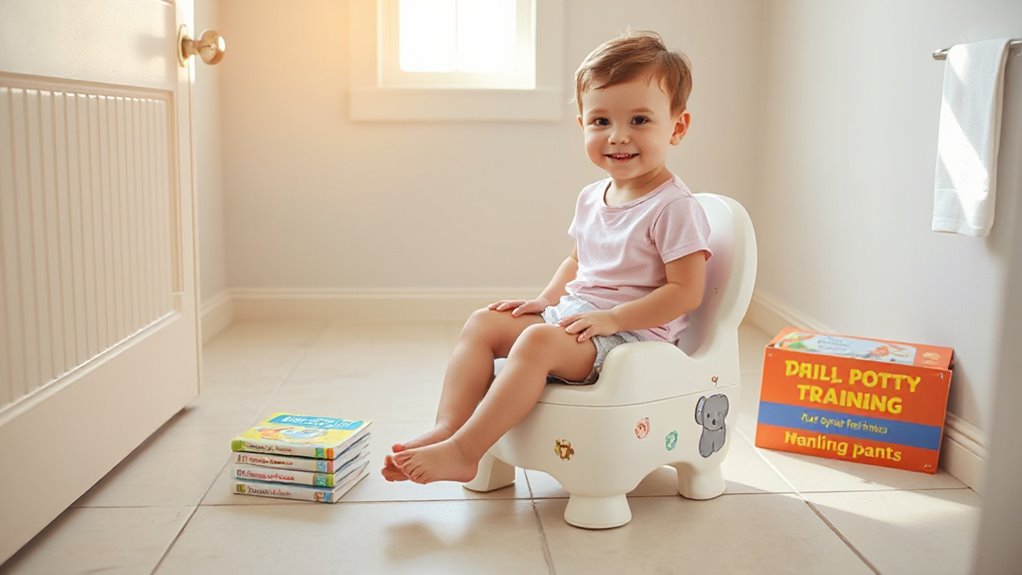
Potty training doesn’t have to be expensive. You can help your child become toilet-trained without splurging on fancy gadgets or costly accessories. The key is to focus on cost-effective methods that make the process straightforward and manageable. Start by gathering essential supplies that serve their purpose well without breaking the bank. A simple training potty or a sturdy seat reducer that fits on your regular toilet are both affordable options that can make your child feel comfortable and confident. You don’t need a special, high-tech potty; a basic one works just as well and can be found at a reasonable price. Also, stock up on easily accessible essentials like underwear, training pants, and cleaning supplies. These items are simple, inexpensive, and necessary for promoting independence and hygiene.
When it comes to cost-effective methods, consistency and patience matter most. Establish a routine that encourages your child to sit on the potty at regular intervals, such as after meals or before bedtime. This helps build a habit without needing any special tools or expensive training aids. Praise and positive reinforcement can go a long way, and you don’t need to buy fancy reward charts or toys. Using simple rewards like extra playtime or a favorite snack can motivate your child without adding extra costs. Keep in mind that accidents are part of the learning process, so be prepared to handle them calmly with basic cleaning supplies and a good attitude.
Additionally, understanding behavioral strategies can help make potty training smoother and more successful without extra expenses. You can also utilize free resources like online tips, printable charts, and advice from other parents who have successfully potty trained on a budget. These sources often offer practical strategies that don’t require spending money on exclusive products. Moreover, involve your child in the process by letting them choose their own underwear or potty seat from options within your budget. This simple act boosts their sense of control and enthusiasm for the training journey. Remember, the goal isn’t to buy the most expensive equipment but to create a supportive environment that encourages independence and confidence.
As an affiliate, we earn on qualifying purchases.
Frequently Asked Questions
When Is the Best Age to Start Potty Training?
You should start potty training when your child shows signs of readiness, usually between 18 to 24 months. Don’t fall for potty training myths that it must be done early or late; every child is different. Be prepared for common challenges like accidents and resistance, and stay patient. Focus on your child’s cues rather than age, and make the process positive and relaxed to succeed without stress or fancy gadgets.
How Do I Handle Regression During Potty Training?
When faced with potty training setbacks, understanding regression helps you stay patient. You might notice your child temporarily backsliding, but don’t see it as failure. Instead, offer reassurance, maintain routines, and avoid punishment. Keep things positive and consistent, and remember that regression is often a sign of growth or change. Stay calm, provide support, and celebrate small victories to help your little one regain confidence on their potty training journey.
What Are Signs My Child Is Ready for Potty Training?
You’ll notice your child showing potty training milestones like staying dry longer, signaling readiness. They might express interest in the potty or mimic adult bathroom habits. Look for diaper free hints, such as pulling at wet or dirty diapers or communicating discomfort. When your child consistently stays dry for a couple of hours, understands simple instructions, and shows curiosity about the potty, it’s a good sign they’re ready to start potty training.
How Can I Encourage My Reluctant Toddler?
You can encourage your reluctant toddler by using potty training humor to make the process fun and less stressful. Offer diaper alternatives like training pants or cloth underwear to boost their confidence. Celebrate small wins with cheers or stickers, and avoid pressure. Keep the atmosphere light, showing patience and support. This approach helps your child feel safe and motivated, making potty training a positive experience without fancy gadgets.
What if My Child Resists Using the Potty?
When facing potty resistance, remain calm and consistent to manage tantrums effectively. You can try gentle encouragement, offering rewards, or making potty time fun with songs or stories. Remember, patience is key, and pushing might worsen resistance. By providing positive reinforcement and understanding your child’s fears, you help them feel safe and supported, gradually turning potty reluctance into routine readiness. Stay steady, and success will follow.
As an affiliate, we earn on qualifying purchases.
Conclusion
Potty training doesn’t have to be expensive. With simple tools and patience, you can guide your child to independence without spending a fortune. Did you know the average cost of potty training products can reach over $150? By sticking to basics like training pants and positive reinforcement, you save money and make the experience stress-free. Remember, patience and consistency are your best tools—your child will succeed without breaking the bank.
As an affiliate, we earn on qualifying purchases.
As an affiliate, we earn on qualifying purchases.
Fall Picks
fall essentials
As an affiliate, we earn on qualifying purchases.