Did you know that renting tools can save you up to 50% on your DIY project costs? Many people overlook this option, thinking buying is the only way to go. But there are hidden advantages to renting that can dramatically impact your project’s success and budget. Understanding these benefits can help you make a more informed choice about tool acquisition. Curious about how you can optimize your next project?
Get ready for Prime Big Deal Days — try Prime free
Exclusive member deals on October 6–7, plus fast free delivery. Cancel anytime.
As an affiliate, we earn on qualifying purchases.
Key Takeaways
- Renting tools can save up to 48% on costs for short-term projects compared to purchasing them outright.
- Opt for rentals for flexibility; scale equipment needs easily based on project requirements and timelines.
- Maintenance and repairs are often included in rental agreements, minimizing unexpected expenses and downtime.
- Evaluate your project duration and tool usage frequency to determine if renting is more economical than buying.
- Access to modern, high-quality equipment through rentals enhances project efficiency without the burden of ownership.
Understanding Cost Efficiency in Tool Acquisition
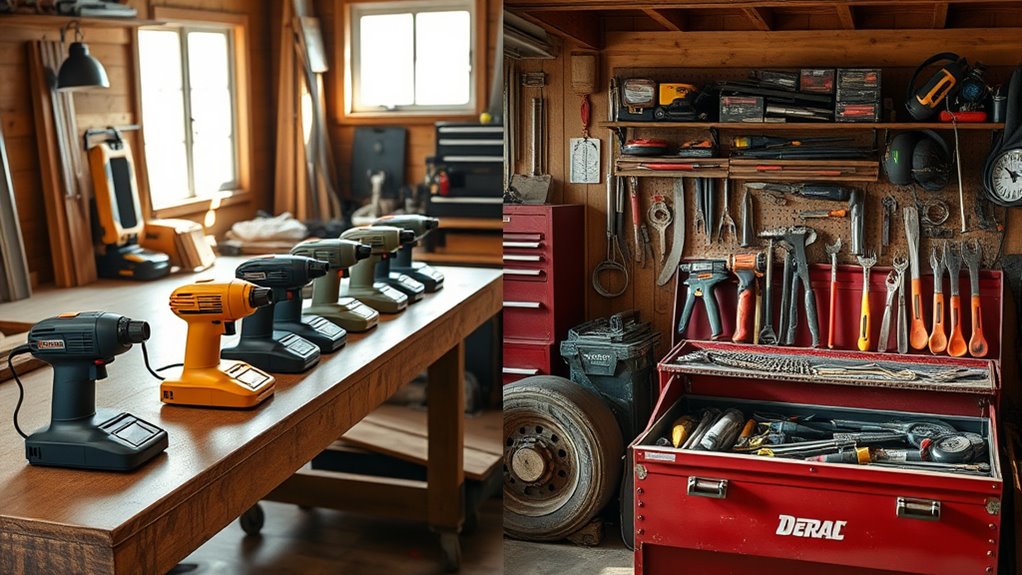
When deciding between renting and buying tools, understanding cost efficiency is crucial. Renting can save you up to 48% compared to purchasing, especially if you need tools for just a few months. When you consider hidden costs like maintenance and storage, renting often proves more economical. It shifts your costs from capital expenditures to operating expenses, keeping your cash flow steady for other project needs. Buying tools makes sense if you’ll use them over 60-65% of the time, but for short-term projects, rentals are cheaper. You won’t have to worry about depreciation or resale values, allowing you to focus on your project without the burden of ownership. Evaluate your usage to maximize cost efficiency.
The Flexibility of Renting Tools for DIY Projects

Renting tools offers unmatched flexibility for DIY projects, allowing you to match your equipment needs with your project’s specific requirements without the burden of long-term ownership. You can easily scale up or down based on what you need, avoiding the hassle of idle tools during off-peak periods. Short-term rental contracts fit perfectly with uncertain timelines or changing project scopes. Plus, renting gives you the chance to test new tools before committing to buy, ensuring you make informed decisions. This approach not only saves you time but also streamlines logistics, allowing you to focus on your project rather than managing equipment. With renting, you gain the freedom to adapt as your DIY needs evolve. Additionally, having access to high-quality equipment enhances your project’s overall success and efficiency.
Risk Reduction: Benefits of Renting Over Buying

When you rent tools, you reduce the risks associated with maintenance and repairs, as these are often included in the rental agreement. You also sidestep issues like obsolescence and depreciation, which can be costly when you own equipment. Plus, renting simplifies insurance and licensing, letting you focus more on your project and less on ownership headaches. Additionally, renting tools can be particularly beneficial for specialized tasks such as installing pool features & accessories, which you may not need to do frequently enough to justify the purchase.
Maintenance and Repair Included
While owning tools may seem appealing, the hidden costs of maintenance and repair can quickly add up. When you rent, those expenses are included, allowing you to focus on your project without worrying about tool upkeep.
| Renting Benefits | Ownership Disadvantages |
|---|---|
| Maintenance covered | Repair costs arise |
| Quick replacements | Downtime from failures |
| Access to newer models | Limited to owned equipment |
| No insurance hassles | Increased operational overhead |
Additionally, renting tools can be especially beneficial for projects that require eco-friendly practices, as it allows you to use specialized equipment without the long-term commitment.
Obsolescence and Depreciation Avoided
By opting for rentals, you sidestep the risks associated with equipment obsolescence and depreciation that come with ownership. When you rent tools, you’re not tied to outdated models or the decline in value that comes with time. Instead, you gain access to the latest technology without the worry of losing money on a purchase. Renting means you can adapt your tool usage as project demands shift, avoiding the pitfalls of owning equipment that may become obsolete. Plus, you won’t have to stress about resale value or maintenance costs. This flexibility allows you to focus on your project, enhancing efficiency while minimizing financial risk, making renting a smart choice for your DIY needs. Additionally, utilizing energy-efficient cloud servers can further streamline your project management and collaboration efforts.
Insurance and Licensing Simplified
Renting tools not only saves you from the burden of maintenance but also simplifies insurance and licensing requirements. When you rent, you don’t have to worry about securing insurance policies for individual tools or managing licenses for specialized equipment. Rental companies typically handle these aspects, protecting you from unexpected costs and administrative hassle. This means you can focus on your project without the added pressure of compliance and coverage. Additionally, rental agreements often include maintenance and quick replacements, reducing downtime and ensuring you have the right tools when you need them. Overall, renting allows you to save time and money, making it a smart choice for your DIY projects. Furthermore, rental agreements often cover essential insurance policies that protect against damages, adding an extra layer of peace of mind.
Managing Cash Flow With Rental Options

When managing cash flow, opting for rental options can considerably ease financial pressures, especially for short-term projects. By choosing to rent tools, you can markedly reduce upfront costs, preserving capital for other important investments. Renting shifts expenses from large capital expenditures to manageable operating costs, which helps with budgeting. Instead of tying up funds in purchasing equipment, you can incur predictable rental fees on a weekly or monthly basis. This flexibility allows you to allocate resources where they’re needed most, without the burden of ownership. Plus, rental agreements often cover maintenance and repairs, further minimizing unexpected expenses. Overall, renting tools can offer a smart strategy for managing cash flow effectively during your DIY endeavors. Additionally, this approach can enhance your financial health by allowing you to allocate funds to savings or other investments.
Utilization Rates: When to Rent Vs Buy

Understanding utilization rates is essential for deciding whether to rent or buy tools. Assess how often you’ll use a tool to make an informed choice:
- Rent if you’ll use the tool less than 65% of the time.
- Consider renting for one-off projects to avoid ownership costs.
- Buy if you need the tool frequently to lower your per-use rate.
- Evaluate the storage, maintenance, and insurance costs associated with ownership.
- Track usage patterns to find the break-even point between renting and buying.
Additionally, incorporating boho home improvement ideas into your projects can enhance your DIY experience.
Impact on Productivity: How Renting Tools Can Help
By choosing to rent tools, you can considerably boost productivity on your projects. Renting not only reduces setup time but also enhances service turnaround by up to 20%. With readily available equipment and vendor support, you can focus on getting the job done without delays. Quick replacements or upgrades included in rental agreements further minimize downtime, allowing for smoother project execution. Here’s a quick overview of how renting tools impacts productivity:
| Advantages of Renting | Impact on Productivity |
|---|---|
| Reduced setup time | Up to 20% faster service turnaround |
| Quick equipment replacements | Minimizes downtime |
| Vendor support | Streamlines workflow |
Embracing tool rentals ensures you’re always equipped for success without the burden of ownership. Additionally, renting tools can help you access high-quality equipment that may otherwise be too expensive to buy outright.
Evaluating Long-Term Needs: Buying Vs Renting
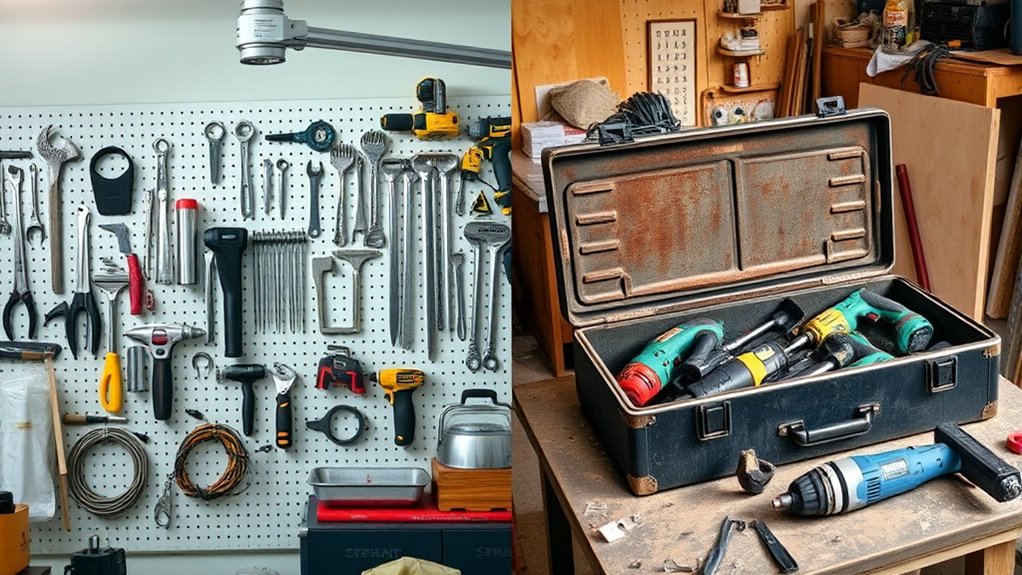
Deciding between renting and buying tools often hinges on your long-term needs and project frequency. Here are some key considerations to help you evaluate:
- Frequency of Use: If you’ll use the tool often, buying might be more economical.
- Project Duration: For short-term projects, renting can save you money and hassle.
- Storage Space: Consider whether you have room to store tools you buy.
- Budget Constraints: Renting requires less upfront cash, which can be vital for tight budgets.
- Tool Variety: Renting allows you to access a wider range of tools without the commitment of ownership.
- Additionally, investing in quality tools can enhance your DIY experience and lead to better project outcomes.
Exploring Maintenance and Support in Rental Agreements

When you choose to rent tools, one of the significant advantages is the built-in maintenance and support that often comes with rental agreements. This means you won’t need to worry about unexpected repair costs or tool upkeep. Rental companies usually handle maintenance, ensuring you have access to well-maintained equipment. Here’s a quick overview of what you can expect:
| Maintenance Aspect | Rental Agreement Benefit | Your Advantage |
|---|---|---|
| Repairs | Included in rental fee | No extra costs |
| Replacement | Quick service provided | Minimized downtime |
| Upgrades | Newer models available | Access to modern tools |
| Support | Expert assistance | Improved project success |
| Cost Efficiency | Lower overall expenses | Better budgeting |
With these benefits, you can focus on your project instead of worrying about maintenance issues. Additionally, renting tools allows you to utilize performance fundamentals that can enhance the quality of your DIY projects.
Making Informed Decisions: Assessing Your Project Requirements

To make the best choice between renting and buying tools, it is crucial to assess your project requirements carefully. Start by considering the following factors:
- Frequency of Use: How often will you need the tool?
- Project Duration: Is your project short-term or long-term?
- Budget Constraints: What’s your budget for tools, including hidden costs?
- Storage Needs: Do you have space to store tools you buy?
- Tool Specialization: Will the tool be used for specialized tasks or general projects?
Frequently Asked Questions
What Types of Tools Are Commonly Available for Rent?
You can commonly rent a variety of tools, including power tools like drills, saws, and sanders, as well as heavy equipment like excavators and skid steers. Lawn care tools such as mowers and tillers are also available. For home improvement projects, consider renting scaffolding, concrete mixers, or tile saws. Renting specialty tools like laser levels or pressure washers can save you money and hassle, especially for one-time tasks or infrequent use.
How Do Rental Fees Compare to Purchasing Costs Over Time?
Rental fees can be considerably lower than purchasing costs over time, especially for infrequent use. When you rent, you avoid hidden expenses like maintenance and storage. If you’re using tools less than 65% of the time, renting can save you up to 48% compared to buying. By shifting costs from capital expenditure to operating expenses, you preserve cash flow, making renting a smart and flexible choice for short-term projects.
Are There Any Hidden Fees Associated With Renting Tools?
Yes, there can be hidden fees associated with renting tools. You might encounter charges for late returns, damage, or even cleaning. Additionally, some rental companies may impose fees for delivery, pickup, or insurance. To avoid surprises, always read the rental agreement carefully, ask questions, and clarify potential costs. By understanding the terms, you’ll save money and enjoy a smoother rental experience tailored to your project’s needs and timeline.
Can I Rent Tools for a Single Day or Weekend Project?
Yes, you can definitely rent tools for a single day or weekend project. Many rental companies offer flexible short-term rental agreements that cater to your specific needs. This way, you won’t have to worry about the costs of purchasing equipment you might only use once. Renting allows you to get the right tools without the hassle of ownership, making it a smart choice for short-term projects. Just check availability and terms with your local rental shop!
What Insurance Do I Need When Renting Tools?
What if something goes wrong while you’re using rented tools? When renting, you typically need liability insurance to cover any damages or injuries that may occur. Most rental companies offer their own insurance options, but check if your homeowner’s insurance or credit card provides coverage too. It’s always smart to clarify what’s included in the rental agreement to avoid unexpected costs. You want to be fully protected while tackling your DIY project!
Conclusion
In summary, renting tools can greatly enhance your DIY experience, saving you both money and hassle. Did you know that nearly 70% of DIY enthusiasts prefer renting over buying due to the flexibility and cost savings it provides? By evaluating your project needs and utilizing rental agreements, you can optimize your budget and guarantee you have the right tools without the burden of ownership. So next time you set out on a project, consider renting to make it a breeze!
Fall Picks
fall essentials
As an affiliate, we earn on qualifying purchases.