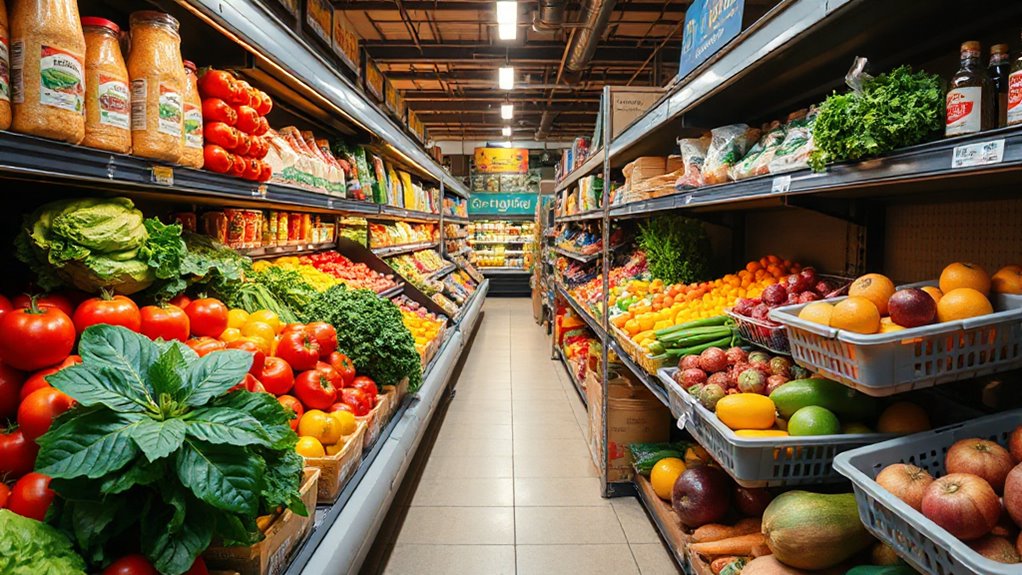

Choosing organic groceries can reduce your exposure to synthetic pesticides and may offer higher antioxidant levels, which some studies suggest are beneficial for your health. However, they often come at a higher cost, and washing or peeling produce can help lower pesticide residues on regular foods. If you want to understand whether paying extra weighs on your health priorities and budget, there’s more to consider before making your choice.
Key Takeaways
- Organic produce generally has lower pesticide residues, reducing potential health risks, especially for vulnerable groups.
- Nutritional differences between organic and conventional foods are minimal, though some organic options may contain more antioxidants.
- Organic groceries are more expensive due to farming practices, so cost considerations may influence whether the extra expense is justified.
- Washing and peeling conventional produce can significantly reduce pesticide residues, offering a safer alternative at a lower cost.
- Personal priorities like health, sustainability, and budget help determine if paying extra for organic foods is worth it for you.

Have you ever wondered whether choosing organic over regular groceries truly makes a difference? It’s a common question, especially when you see the higher price tags on organic products. One key aspect to consider is pesticide residue. Conventional produce often contains traces of synthetic pesticides, which are used to protect crops from pests and increase yield. While regulatory agencies set limits to ensure safety, some studies suggest that organic options tend to have lower levels of pesticide residue. This can be reassuring if you’re concerned about the potential health effects of long-term exposure, especially for children or those with sensitive immune systems. But it’s also important to note that washing and peeling fruits and vegetables can considerably reduce pesticide residues on regular produce, making the risk less concerning in many cases.
Choosing organic may lower pesticide residues, but washing produce can reduce risks on conventional options.
Another factor that influences your decision is nutritional content. Many people believe organic foods are more nutritious, but the science is mixed. Some research indicates that organic produce may have slightly higher levels of certain nutrients, like antioxidants, which are beneficial for your health. These compounds help your body fight off oxidative stress and may reduce the risk of chronic diseases. However, other studies find little to no difference in nutrient levels between organic and conventional foods. The variation often depends on factors like soil quality, crop variety, and farming practices rather than whether the produce is labeled organic. So, if your primary goal is to maximize nutritional intake, switching to organic might help, but it’s not a guaranteed solution. Additionally, carrier oils used in aromatherapy can be an effective way to incorporate essential oils into your routine safely.
Cost is another major consideration. Organic groceries tend to be more expensive because of the more labor-intensive farming methods and stricter regulations. For some, this extra expense is worth it for peace of mind and potential health benefits. For others, sticking with regular groceries and focusing on a balanced diet rich in fruits, vegetables, and whole foods can be just as effective without breaking the bank. Plus, buying in-season produce or shopping at local markets can help you get fresh, healthy options at a lower cost, regardless of whether they’re organic or not.
Ultimately, choosing between organic and regular groceries depends on your personal priorities, budget, and health concerns. If reducing pesticide exposure and supporting sustainable farming practices matter most to you, paying extra for organic might be worth it. But if affordability and convenience are more important, conventional options still provide nutritious, safe food when handled properly. Either way, making informed choices based on your needs can help you build a diet that’s both healthy and budget-friendly.
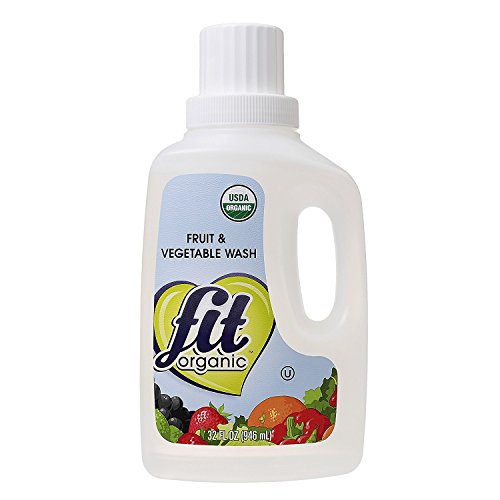
Fit Organic 32 Oz Soaker Produce Wash, Fruit and Vegetable Wash and Pesticide/Wax Remover
As an affiliate, we earn on qualifying purchases.
As an affiliate, we earn on qualifying purchases.
Frequently Asked Questions
Do Organic Foods Last Longer Than Regular Foods?
Organic foods don’t necessarily last longer than regular foods, as shelf life depends on preservation methods rather than whether they’re organic. Proper storage, refrigeration, and packaging play big roles in extending freshness. While some organic products may have a shorter shelf life due to fewer preservatives, overall, their longevity isn’t guaranteed to be better. You should focus on proper preservation methods to keep your foods fresh longer, regardless of whether they’re organic or regular.
Are Organic Products Safer for Children and Pregnant Women?
Imagine handpicking fresh, vibrant produce for your child—organic products often have lower pesticide residue, making them safer for pregnant women too. They tend to preserve more nutritional benefits, offering essential vitamins and antioxidants without harmful chemicals. By choosing organic, you reduce exposure to pesticides, helping safeguard your family’s health. So yes, organic options can be a smarter choice for children and pregnant women, providing peace of mind and healthier eating habits.
How Does Organic Farming Impact the Environment Differently?
Organic farming benefits the environment by reducing pesticide use, which means fewer chemicals polluting water and harming wildlife. You’ll notice healthier soil, as organic methods focus on improving soil health through composting and crop rotation. This sustainable approach promotes biodiversity and decreases pollution. By choosing organic, you support farming practices that protect ecosystems and conserve resources, making a positive impact on the environment you and future generations share.
Are Organic Groceries More Environmentally Sustainable Overall?
Imagine a vibrant, thriving garden where soil health blossoms and pesticide residue stays at bay—that’s how organic groceries support environmental sustainability. They typically use fewer synthetic chemicals, protecting soil and water. While they may require more resources upfront, over time, organic methods help maintain ecosystem balance. So yes, organic groceries are more environmentally sustainable overall because they promote healthier soil and reduce harmful residues.
Can Buying Organic Help With Food Allergy Sensitivities?
Buying organic can help with food allergy management, as it reduces exposure to certain pesticides and additives that might trigger sensitivities. However, you should be cautious because organic label reliability isn’t guaranteed; cross-contamination or mislabeling can still occur. Always read labels carefully, and consider consulting an allergist to determine if organic products are a safe choice for managing your allergies effectively.

Vegetable Brush Potato Scrubber Brush Non Slip Comfortable Fruit Cleaning Tools for Washing Fruit Mushrooms Carrot or Tough-Skinned Vegetables (1 Pack Grey)
High quality materials: Our vegetable scrubber is made of plastic, sturdy and durable, not easily deformed, with hard…
As an affiliate, we earn on qualifying purchases.
As an affiliate, we earn on qualifying purchases.
Conclusion
So, deciding between organic and regular groceries is like choosing between a vibrant garden and a well-tended lawn—you get what you pay for. If you value fewer pesticides and a more eco-friendly option, paying extra might be worth it. But if budget matters most, regular groceries can still nourish you just fine. Think of it as picking the path that best fits your needs, like choosing your favorite trail through a lush, green forest.

Carlyle Antioxidants Supplement | 100 Caplets | Nutritional Complex | Vitamin A, C, E | Non-GMO, Gluten Free Formula
ANTIOXIDANT ESSENTIALS: Features Essential Antioxidants with Vitamins A, C, and E for daily support!
As an affiliate, we earn on qualifying purchases.
As an affiliate, we earn on qualifying purchases.

Organic Blueberries Pint
Recommended to wash before consuming
As an affiliate, we earn on qualifying purchases.
As an affiliate, we earn on qualifying purchases.