
TL;DR

Get your next haul delivered free with Prime
- Fast, free delivery on millions of items
- Prime Video, Amazon Music and more included
- Member-only deals all year
Fangzhou has officially launched Novo Nordisk’s once-weekly basal insulin and GLP-1 receptor agonist therapy in China. This development expands access to innovative diabetes treatments in the Chinese market, with potential impacts on patient care and industry competition.
Fangzhou has launched Novo Nordisk’s once-weekly basal insulin and GLP-1 receptor agonist therapy in China, making this innovative treatment available to Chinese patients for the first time. This move is significant as it introduces a new option for people with type 2 diabetes seeking more convenient and effective management strategies, and represents a strategic expansion for Novo Nordisk in the Chinese market.
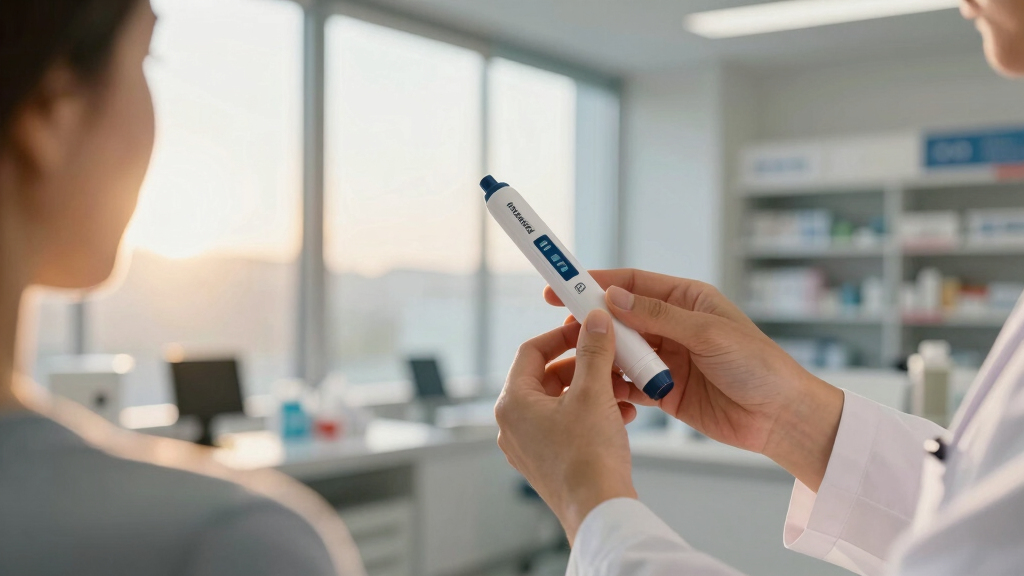
The launch was announced by Fangzhou, a major pharmaceutical distributor in China, in partnership with Novo Nordisk, the global pharmaceutical company specializing in diabetes care. The therapy combines a basal insulin and a GLP-1 receptor agonist in a single weekly injection, designed to improve glycemic control while reducing treatment burden.
While the exact product name and pricing details have not been disclosed, the launch aligns with Novo Nordisk’s broader international rollout of this once-weekly combination therapy, which has shown promising clinical results in global trials. The therapy is expected to be prescribed primarily for adults with type 2 diabetes who require basal insulin, and it aims to improve adherence and outcomes.
Officials from Fangzhou confirmed that the product is now available through select healthcare providers across China, with plans for broader distribution. Regulatory approval for the therapy in China was granted earlier this year, according to sources familiar with the matter.
Implications for Diabetes Treatment in China
This launch is a major development for diabetes management in China, a country with the world’s largest population of people with diabetes. The availability of a once-weekly insulin/GLP-1 therapy could improve adherence and glycemic control, potentially reducing complications associated with poorly managed diabetes. It also signals increased access to innovative biologic treatments in the Chinese healthcare market, which has historically lagged behind in adopting such therapies.
Industry analysts suggest that this move could intensify competition among pharmaceutical companies in China, encouraging further innovation and pricing strategies. For patients, it offers a more convenient alternative to daily injections, which could lead to better treatment persistence and outcomes.
once weekly insulin GLP-1 combination therapy
As an affiliate, we earn on qualifying purchases.
As an affiliate, we earn on qualifying purchases.
Recent Advances and Regulatory Approvals in China
China’s diabetes market has been rapidly evolving, with increasing approval rates for new biologic therapies over the past few years. Novo Nordisk has been actively expanding its presence in China, securing regulatory approval for multiple products, including its GLP-1 receptor agonists. The launch of this weekly combination therapy follows earlier approvals of other innovative diabetes treatments, reflecting the country’s shifting focus toward more patient-friendly management options.
Previous efforts by other pharmaceutical companies to introduce similar therapies faced regulatory and market challenges, but recent approvals suggest a more receptive environment for biologic innovations. The Chinese government has also emphasized improving access to advanced treatments as part of its health reform initiatives.
It is not yet clear how quickly the therapy will be adopted nationwide or how pricing will compare to existing treatments, which remain key factors influencing market penetration.
“We are pleased to bring this innovative therapy to Chinese patients, offering a new level of convenience and efficacy in diabetes management.”
— Fangzhou spokesperson
diabetes management injection pens
As an affiliate, we earn on qualifying purchases.
As an affiliate, we earn on qualifying purchases.
Details on Pricing and Market Penetration Still Unclear
It is not yet clear how the therapy will be priced in China or how quickly it will be adopted across different regions. Market access, reimbursement policies, and healthcare provider acceptance are still developing factors that could influence the therapy’s impact.
Additionally, the specific clinical data supporting the product’s use in the Chinese population has not been publicly detailed, raising questions about its comparative effectiveness locally.
basal insulin GLP-1 receptor agonist
As an affiliate, we earn on qualifying purchases.
As an affiliate, we earn on qualifying purchases.
Monitoring Adoption and Regulatory Developments in China
In the coming months, industry observers will watch for how quickly healthcare providers begin prescribing the therapy and how patients respond. Further regulatory updates on reimbursement and pricing are expected to clarify the market landscape.
Novo Nordisk and Fangzhou may also announce additional clinical data or expand distribution channels, influencing the therapy’s overall impact in China’s diabetes treatment landscape.
As an affiliate, we earn on qualifying purchases.
Key Questions
What is the new therapy launched in China?
The therapy is a once-weekly combination of basal insulin and a GLP-1 receptor agonist, designed to improve blood sugar control with fewer injections.
Who is distributing the therapy in China?
Fangzhou, a major Chinese pharmaceutical distributor, has launched the product in partnership with Novo Nordisk.
When was the therapy approved and launched?
The therapy received regulatory approval earlier this year and was announced as launched in China in March 2024.
What are the potential benefits for patients?
Patients may experience improved adherence and convenience due to the weekly dosing schedule, which could lead to better glycemic control and fewer complications.
What challenges remain for this therapy’s adoption?
Uncertainties include pricing, reimbursement policies, and how quickly healthcare providers will adopt the new treatment across different regions in China.
Source: primary
Fall Picks
fall essentials
As an affiliate, we earn on qualifying purchases.