
TL;DR

Get your next haul delivered free with Prime
- Fast, free delivery on millions of items
- Prime Video, Amazon Music and more included
- Member-only deals all year
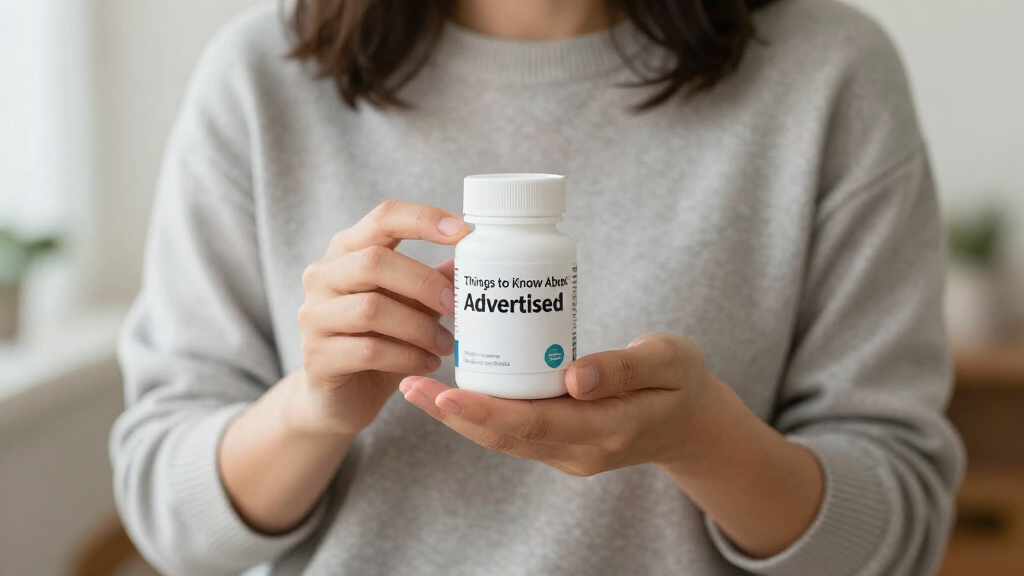
A Kiplinger report outlines how prescription drug advertising can shape patient requests, while advertised brand-name drugs may be costly and may not be covered by a person’s insurance. It recommends checking formularies, comparing pharmacy prices and discussing generic, biosimilar or older alternatives with a clinician.
A Kiplinger report advises consumers to check drug coverage and compare prices before requesting medications featured in television or online ads, which can encourage patients to ask clinicians for brand-name treatments. The report says prices can vary by insurance, pharmacy and location, and that Medicare Part D plans may not cover a particular advertised brand.
The report says prescription drug companies spent more than $7 billion on television campaigns in the previous year, though it does not identify that year’s dates or provide a separate figure for online advertising. It names Tremfya and Skyrizi, used for moderate to severe plaque psoriasis and other inflammatory diseases, among heavily advertised drugs. Without insurance, a dose may cost between $19,000 and $30,000, according to the report. It also describes advertising for weight-loss drugs such as Zepbound and Wegovy; a month’s supply of four pre-filled pens can cost up to $600, it says.
Advertising volume does not necessarily track which drugs are most expensive. Geoffrey Joyce, chair of pharmaceutical and health economics at the University of Southern California, told Kiplinger that television advertising generally makes economic sense for a branded drug still under patent that treats a condition affecting many people. The report also notes that Claritin, an over-the-counter allergy medicine, was among the top-advertised drugs on YouTube in April and May, during allergy season.
Kiplinger cites research indicating that drug ads can prompt patients to ask doctors for specific medicines and that clinicians are more likely to prescribe a brand-name drug when patients request it. The report cautions, however, that a requested medicine may not be covered or may not offer greater benefit than an older treatment. It recommends checking a plan’s formulary—its list of covered medicines—and comparing costs before filling a prescription.
How Ads Can Affect Drug Choices
Drug advertising can shape a conversation in the exam room, but it does not establish that a particular treatment is the best clinical or financial choice for an individual. A prescription can come with a very different out-of-pocket price depending on insurance coverage, deductibles, rebates and pharmacy. A plan may also require a patient to try a lower-cost medicine before covering a requested brand.
Those differences matter for people managing ongoing conditions, especially when a medicine is taken repeatedly. Kiplinger cites a study in which shoppers visited more than 500 pharmacies with identical prescriptions and found wide price differences. Joyce told the publication that one antibiotic was as much as $52 cheaper within a single ZIP code. That example underscores why consumers should check local prices rather than assume every pharmacy charges the same amount.
The report also says research has found that most newly advertised drugs may not benefit patients more than older drugs. That is not a verdict on any individual medicine or a substitute for medical advice; it is a reason to ask a clinician about expected benefits, risks and alternatives instead of treating an advertisement as a treatment recommendation.
Products Worth Considering

Apple iPad Air (2025) 13‑inch Wi‑Fi 256 GB – Space Gray (M3 chip)

Logitech MX Mechanical Full-Size Wireless Mechanical Keyboard, Tactile Quiet Switches, Backlit Keys, Bluetooth, USB-C, Multi-Device, Graphit

LG UltraGear 27-Inch QHD OLED Gaming Monitor, 240Hz, 0.03ms, G-SYNC Compatible, FreeSync Premium Pro, HDMI 2.1
As an affiliate, we earn on qualifying purchases.
Why These Medicines Get Advertised
The report describes a market in which pharmaceutical companies set U.S. prices when medicines enter the market. Merith Basey, executive director of Patients for Affordable Drugs, told Kiplinger that Americans pay the world’s highest prescription drug prices. The source attributes part of that difference to the U.S. pricing system and contrasts it with countries where national health systems can negotiate with manufacturers and control which drugs are included on a national formulary.
For consumers, the practical point is that a drug’s advertised price is not necessarily the price a particular patient will pay. Medicare Part D coverage varies by plan, and plans may put medicines on different formulary tiers or require patients to try alternatives. Kiplinger recommends checking a plan’s medication list and using Medicare’s plan-comparison website when evaluating coverage.
The report’s cost-saving suggestions include asking about generic equivalents or biosimilars, checking prices at more than one pharmacy, and using comparison services such as GoodRx or SingleCare. It says Costco’s pharmacy was cheaper than Medicare prices for generic medicines nearly 50% of the time in one study. It also describes direct-to-consumer pharmacy CostPlus. These examples are not guarantees of the lowest price for a particular prescription; consumers still need to compare the exact medicine, dose and quantity.
“To make television advertising worthwhile, a drug generally needs to be branded, still under patent and used to treat a condition that impacts a large number of people.”
— Geoffrey Joyce, chair of pharmaceutical and health economics at the University of Southern California, as quoted by Kiplinger
What Prices and Coverage Depend On
The report’s figures do not establish what an individual will pay. Its stated costs vary by medicine and are presented without a specific patient’s insurance details; the price at the pharmacy can depend on plan rules, deductible, location and available discounts. The source also does not give the date of the underlying advertising-spending figure, so it should not be read as a current-year estimate.
The report refers to research on advertising and drug effectiveness but does not provide enough study detail here to judge the findings for any one treatment. It also does not establish that a generic or biosimilar is suitable for every patient. Patients should ask a prescriber or pharmacist about the medicine’s clinical fit and whether a lower-cost option is appropriate. Coverage and prices can change, so quoted examples may not apply to a current plan or purchase.
Questions to Ask Before Prescribing
Before requesting a medicine seen in an ad, consumers can check whether it is on their insurance formulary and what the expected out-of-pocket cost will be. They can compare the same prescription at local pharmacies and through reputable price-comparison tools, then ask whether a generic, biosimilar or older treatment could meet their needs. For Medicare Part D members, checking plan coverage and comparing available plans can help identify restrictions or lower-cost options.
The report does not announce a policy change or a scheduled next step. The next decision is patient-specific: a clinician and patient can weigh the expected benefits, risks, coverage and cost before choosing a treatment. A pharmacist may also help clarify whether a quoted price applies to the exact dose and quantity prescribed.
Key Questions
Does an advertised drug have to be covered by Medicare Part D?
No. Kiplinger says Part D plans may not cover a particular brand. Check the plan’s formulary and cost-sharing rules before filling the prescription.
Can the same prescription cost different amounts at different pharmacies?
Yes. The report cites research finding price differences for identical prescriptions at pharmacies, including differences within one ZIP code. Compare the price for the same medicine, dose and quantity.
Should I ask my doctor about a generic or biosimilar?
You can ask whether one is appropriate for your condition. The report says generics are generally expected to provide similar quality and effectiveness, but treatment choices should be discussed with a clinician.
Does a commercial show that a drug is better than older options?
No. Advertising is not proof that a medicine is the best choice for an individual. Kiplinger says research has found that most newly advertised drugs may not benefit patients more than older drugs, while noting consumers should discuss options with a doctor.
Source: rss