

Knowing when to splurge or save helps you make smarter spending choices. You should splurge on items that are true investments, like quality shoes, reliable electronics, or durable furniture, which add long-term value. Save on trendy accessories or gadgets that quickly go out of style. Balance your spending by focusing splurges on essentials that improve daily life and save on temporary items. To master this strategy and maximize your finances, discover more tips ahead.

Get your next haul delivered free — and shop member deals
- Fast, free delivery on millions of items
- Access to Prime Big Deal Days deals on October 6–7
- Prime Video, Amazon Music and more included
Key Takeaways
- Splurge on items that offer long-term value, durability, or significantly enhance your quality of life or professional image.
- Save on trendy, short-lived, or non-essential items by choosing budget-friendly options or delaying purchase.
- Prioritize spending on daily necessities like reliable electronics or comfortable footwear that improve daily comfort and productivity.
- Align your spending with long-term goals by investing in durable furniture or appliances, and avoiding impulse buys on fleeting desires.
- Focus on value-driven technology and entertainment upgrades that enhance usability and enjoyment without overspending.
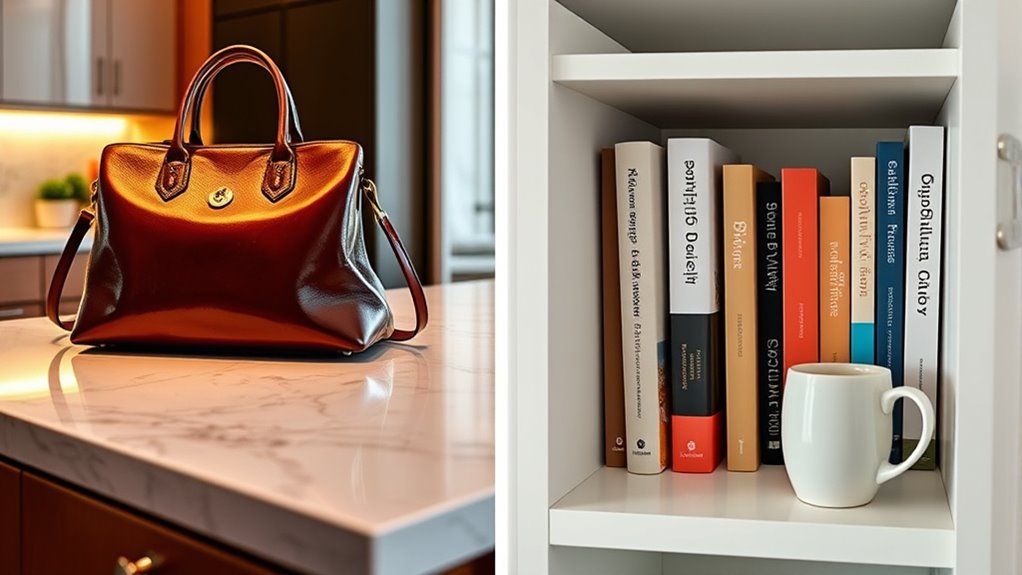
Are you looking for ways to make your money go further? Mastering when to splurge and when to save is key to smart spending. It’s tempting to indulge in luxury brands, especially when those designer pieces catch your eye, but it’s equally important to recognize when budget shopping can get you the same value without breaking the bank. Knowing the difference can help you enjoy quality without overspending.
Knowing when to splurge or save helps you make smarter financial choices and enjoy quality without overspending.
When contemplating luxury brands, ask yourself if the item is a true investment or just a fleeting desire. For example, a designer handbag or high-end watch might hold its value over time or elevate your professional image. In these cases, splurging makes sense. But if it’s a trend or something you’ll likely tire of quickly, it’s better to hold back. Budget shopping can often get you similar styles from less expensive retailers or during sales. Thrift stores, outlet malls, and online discount sites are goldmines for finding quality pieces at a fraction of the cost. Doing a little research before buying helps you spot good deals and avoid impulse purchases that drain your budget.
Another time to consider splurging is on essential items that impact your daily life, like a comfortable, well-made pair of shoes or a reliable laptop. These purchases can improve your comfort and productivity, making the extra expense worthwhile. Conversely, if an item is temporary or non-essential—think trendy accessories or novelty gadgets—it’s smarter to save. These are the kinds of things you can easily find at lower prices later or do without altogether.
Your approach to spending should also factor in your long-term goals. For instance, investing in high-quality furniture or appliances may cost more upfront but often pays off in durability and longevity. On the other hand, if you’re furnishing a temporary space or experimenting with a new hobby, budget shopping options will serve you better. The key is balancing your immediate desires with your financial priorities, ensuring you’re not sacrificing savings for fleeting pleasures.
Additionally, understanding how to optimize your home cinema setup—like selecting the right projector with good contrast ratios and color accuracy—can provide a more immersive entertainment experience without necessarily overspending. The key is balancing technology features with your budget to get the best value.
Finally, remember that smart spending isn’t just about cutting costs but making intentional choices. Know when a splurge adds value to your life—like a memorable experience or a durable item—and when saving feels more aligned with your financial health. By being mindful and strategic, you can enjoy the thrill of shopping without guilt, all while building a solid foundation for your financial future.
Frequently Asked Questions
How Do I Identify the Difference Between a Need and a Want?
You can identify a need versus a want through necessity assessment. Ask yourself if the item is essential for your daily life or well-being, like groceries or rent, which are needs. Luxury items, on the other hand, are wants—non-essential. If it’s something that adds comfort or pleasure but isn’t necessary, it’s a want. Prioritize needs first, then consider splurging on wants only if your budget allows.
What Financial Habits Help Maintain a Balanced Spending Approach?
Imagine walking a tightrope where every step counts. You build habits like setting a budget and tracking expenses to stay balanced, preventing impulsive buying from tipping you over. Avoid luxury spending on impulse; instead, plan those splurges carefully. Regularly review your financial goals, and practice delayed gratification. These habits keep your spending in check, letting you enjoy life’s pleasures without sacrificing your financial stability or future needs.
When Is It Wise to Prioritize Experiences Over Possessions?
You should prioritize experiences over possessions when creating lasting memories or meaningful connections. For example, investing in luxury travel offers memorable adventures, while skipping designer accessories can save money. These experiences often provide greater happiness and personal growth than material items. By choosing to spend on experiences, you focus on enriching your life, making smart choices that balance your budget while enjoying valuable moments over fleeting possessions.
How Can I Set Realistic Savings Goals for Big Purchases?
You’ve got to set clear, achievable savings goals to avoid biting off more than you can chew during savings challenges. Break your big purchase into smaller milestones and create a timeline. Consider your income and expenses carefully, and prioritize luxury investments that truly matter to you. Keep your eye on the prize and stay disciplined—slow and steady wins the race, turning your goal into reality without unnecessary stress.
What Are Signs I’M Overspending Despite My Budget?
You might be overspending if you notice frequent impulsive buying or luxury indulgences that strain your budget. Keep track of how often you make unplanned purchases and compare them to your financial goals. If your spending on non-essentials consistently exceeds your limits, it signals you’re overspending. Recognizing these signs helps you adjust, ensuring you balance enjoying luxury with maintaining financial stability.
Conclusion
Ultimately, mastering when to splurge and when to save is like walking a tightrope—you balance desire with practicality. Remember, a well-timed splurge can bring joy and fulfillment, but unnecessary spending can weigh you down. Think of your money as a trusted compass guiding your choices; it points you toward happiness without losing sight of your goals. So, trust your instincts, stay mindful, and let your smart choices lead you to financial peace and personal satisfaction.
Halloween Picks
halloween
As an affiliate, we earn on qualifying purchases.