
If you want to save more money and pay off debt faster, the debt avalanche method typically wins, as it targets high-interest debts first, minimizing interest costs. However, the debt snowball approach offers quick wins by paying off smaller debts early, boosting motivation. Your choice depends on whether you prefer saving money or staying motivated. To discover which approach suits your situation best, keep exploring the key differences and tips.
Open a free Amazon Business account
Business pricing, bulk buying and tax-exempt orders.
As an affiliate, we earn on qualifying purchases.
Key Takeaways
- The debt avalanche method typically saves more money by reducing overall interest payments.
- The debt snowball method offers quicker psychological wins, boosting motivation early in repayment.
- Avalanche pays off debts faster, potentially freeing you from debt sooner.
- Snowball may cost more over time if smaller debts have higher interest rates.
- Combining both strategies can optimize savings and motivation, depending on your financial situation.

When it comes to paying off debt, choosing the right strategy can make a big difference in how quickly and smoothly you reach your goal. Two popular repayment strategies are the debt snowball and debt avalanche methods. Each approach has its own advantages, but understanding how they impact your interest rates and overall savings can help you select the best one for your situation.
Choosing the right debt repayment strategy impacts your savings and progress significantly.
The debt snowball method focuses on paying off your smallest debts first, regardless of interest rates. You make minimum payments on all your debts except the smallest, which you pay off entirely before moving to the next smallest. This approach offers quick wins, boosts motivation, and builds momentum. However, because it doesn’t prioritize interest rates, you might end up paying more in the long run if your smallest debts carry higher interest rates. This can slow down your progress and cost you more money over time, especially if larger debts with high interest rates remain unpaid for longer periods.
In contrast, the debt avalanche strategy emphasizes paying off debts with the highest interest rates first. You direct extra payments toward the debt that accrues the most interest, then move on to the next highest once the first is paid off. This method maximizes your repayment efficiency by minimizing the amount of interest you pay over time. As a result, you typically pay off your debts faster and save more money, even if the process might take longer to see the first debt eliminated. By tackling high-interest debts early, you reduce the overall cost of your debt and accelerate your journey toward financial freedom.
Choosing between these two methods depends on your personality and financial situation. If you need quick wins to stay motivated, the snowball approach might be better, even if it costs a bit more in interest. But if your priority is saving money and reducing interest expenses, the avalanche strategy is usually more effective. Keep in mind that your interest rates play a vital role here; high-interest debts should generally take priority to optimize savings. Some people even combine both strategies: start with the snowball to build momentum and switch to the avalanche once they get comfortable with their repayment plan.
Ultimately, the best repayment strategy is the one you’ll stick with consistently. Both snowball and avalanche can help you become debt-free, but understanding how interest rates impact your total costs and choosing the approach aligned with your motivation will make your journey smoother and more cost-effective. Additionally, being aware of how contrast ratio and other key factors influence your overall repayment success can help you make more informed decisions.

As an affiliate, we earn on qualifying purchases.
Frequently Asked Questions
Which Method Improves Long-Term Financial Discipline More Effectively?
You’ll find that the debt snowball method improves long-term financial discipline more effectively because it leverages behavior modification and motivation strategies. By focusing on paying off smaller debts first, you gain quick wins that boost your confidence and reinforce positive habits. This immediate sense of achievement keeps you motivated, making it easier to stay committed to your financial goals. Over time, these habits develop into strong, lasting financial discipline.
How Do Emotional Factors Influence the Choice Between Snowball and Avalanche?
Emotional motivation heavily influences your choice between snowball and avalanche methods. If you crave quick wins to boost confidence, you’ll likely prefer the snowball approach to combat decision fatigue and stay motivated. Conversely, if you’re driven by maximizing savings, the avalanche taps into your logical side. Recognizing how emotional factors shape your decision helps you choose a payoff method that keeps you committed and reduces frustration.
Can Combining Both Methods Optimize Debt Repayment Strategies?
Yes, combining both methods can optimize your debt repayment strategies. Start with debt prioritization by tackling smaller debts first for quick wins, then switch to avalanche to focus on high-interest debts for long-term savings. This blended approach keeps you motivated while maximizing repayment planning efficiency. By balancing emotional satisfaction with financial benefits, you can stay on track and pay off your debts faster.
How Does Income Fluctuation Impact the Effectiveness of Each Method?
Income variability can challenge your debt repayment plans, affecting each method differently. With fluctuating income, you might find the debt snowball less effective because of inconsistent cash flow, making steady payments harder. Conversely, the avalanche method relies on prioritizing high-interest debts, which can be more adaptable if you manage your cash flow carefully during income changes. Effective cash flow management is key to maintaining progress, regardless of income variability.
What Are the Tax Implications of Paying off Debts Using These Methods?
Think of paying off debt as clearing a tangled knot—you might save more with the avalanche method, as paying down high-interest debt can maximize your interest deductions. While paying off smaller debts quickly offers emotional wins, it may have fewer tax benefits. Remember, paying interest might lead to interest deductions on your taxes, but only if the debt is tax-deductible, like a mortgage or student loan.

Debt Snowball Tracker: A Notebook To Help You Stay Motivated When Paying Off Debt – Simple DIY Debt Reduction Strategy Planner
As an affiliate, we earn on qualifying purchases.
As an affiliate, we earn on qualifying purchases.
Conclusion
Ultimately, whether you choose the debt snowball or avalanche, you’re taking a positive step toward financial freedom. Each method has its own charm, quietly guiding you toward brighter days ahead. The key is to stay committed and trust the process, knowing that every small victory brings you closer to your goal. Whichever path you pick, you’re gently paving the way for a more secure and worry-free future—one manageable step at a time.
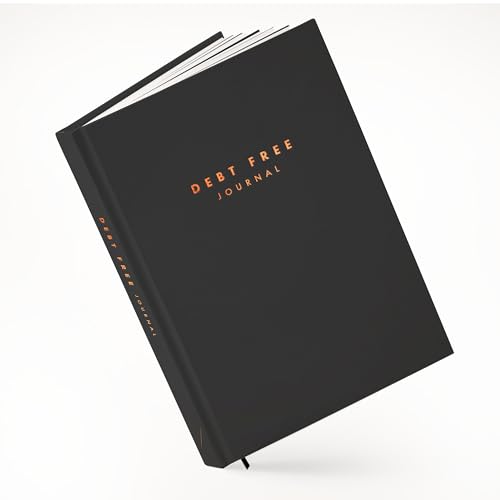
Beating 50 Percent Debt Free Journal – Debt Payoff Planner and Tracker
- Purposeful Debt Payoff Planning: Structured system for debt elimination
- Progress Tracking and Reflection: Guided prompts for tracking payments and progress
- Ideal for Couples and Individuals: Supports healthy budgeting and debt habits
As an affiliate, we earn on qualifying purchases.
As an affiliate, we earn on qualifying purchases.

ATUVOS Air Tracker Tags-4 Pack, Bluetooth Luggage Tracker Works with Apple Find My APP (iOS Only, Not for Android), Keys Finder and Item Locator for Luggage, Backpack, Suitcases, Replaceable Battery
- Works with Apple Find My: Locate items via iOS app and Siri
- Long-Range Tracking: Uses Apple network for distant finding
- Real-Time Location: View live location and play sound
As an affiliate, we earn on qualifying purchases.
As an affiliate, we earn on qualifying purchases.
Back to school Picks
back to school
As an affiliate, we earn on qualifying purchases.