
TL;DR

Get your next haul delivered free with Prime
- Fast, free delivery on millions of items
- Prime Video, Amazon Music and more included
- Member-only deals all year
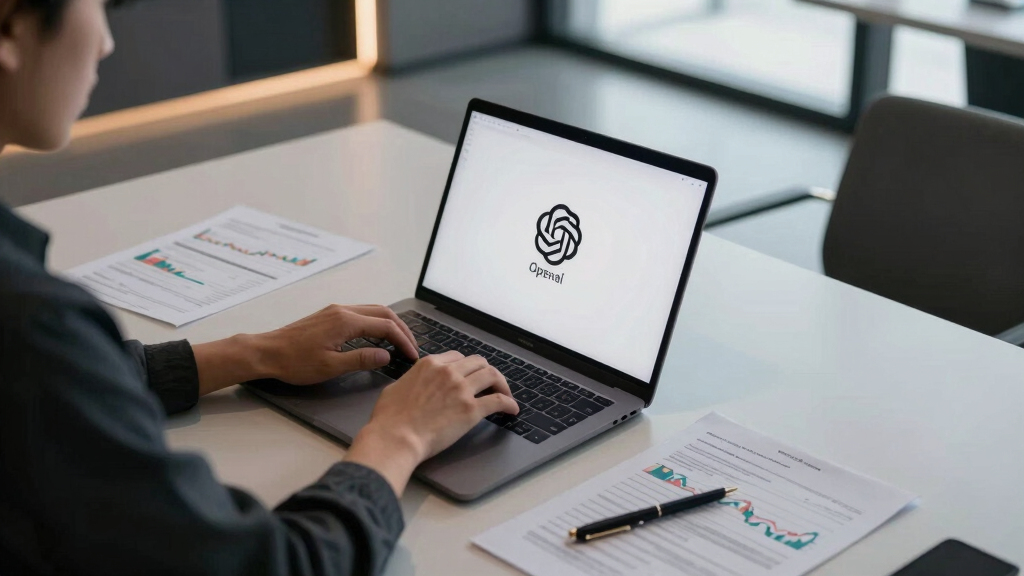
OpenAI is reportedly in negotiations to give the Trump administration a 5% stake in the company. The deal is still under discussion, with potential implications for influence and oversight. Details remain uncertain.
OpenAI is in discussions to grant the Trump administration a 5% ownership stake, according to the Financial Times. The talks, still in progress, could see a significant shift in corporate governance and influence, raising questions about the intersection of government and AI technology development.
The Financial Times reports that OpenAI is negotiating to provide the Trump administration a 5% stake in the company. The discussions are believed to involve officials close to the former president, though no formal agreement has been finalized.
Sources familiar with the matter indicate that the negotiations are at an advanced stage, but details about the structure of the stake, the terms of the deal, and the timeline remain unclear. OpenAI has not officially confirmed the talks, and representatives declined to comment when contacted.
This potential arrangement has sparked debate among industry observers and policy experts regarding the implications for corporate governance, oversight, and the influence of political actors in AI development.
Implications for AI Governance and Political Influence
If confirmed, this deal could mark a significant precedent for government involvement in private AI firms. It raises concerns about political influence over AI research, ethical standards, and deployment. The move could also impact public trust and regulatory approaches, especially given the political background of the involved administration.
For the AI industry, this development might signal a shift towards increased government stakeholding, potentially affecting investment, innovation, and international competitiveness. It also intensifies scrutiny over how AI companies balance commercial interests with public and political accountability.
As an affiliate, we earn on qualifying purchases.
Background on OpenAI and Political Engagement
OpenAI, founded in 2015, has positioned itself as a leader in artificial intelligence research and deployment, with a focus on safety and ethical considerations. It has received significant funding from private investors and corporate partners, including Microsoft.
While OpenAI has generally maintained independence, it has engaged with policymakers on AI regulation and safety standards. The company’s leadership has expressed interest in working with governments to shape AI policy, but formal ownership stakes involving political entities are unprecedented.
The Trump administration has previously taken an interest in AI policy, emphasizing technological leadership and national security. However, there has been no prior indication of direct investment or ownership stakes in private AI firms.
As an affiliate, we earn on qualifying purchases.
Unconfirmed Details and Potential Outcomes
It is not yet clear whether the deal will be finalized or what specific terms will be negotiated. The scope of the stake, voting rights, and influence over company policies remain unknown. Additionally, the reaction from other stakeholders and regulators is still developing.
OpenAI has not officially confirmed the negotiations, and sources close to the matter suggest that the discussions could still fall through or be modified significantly.
As an affiliate, we earn on qualifying purchases.
Next Steps in Negotiations and Regulatory Scrutiny
OpenAI and the involved government officials are expected to continue negotiations over the coming weeks. The company may issue a formal statement if the deal progresses or is finalized. Meanwhile, policymakers and industry watchdogs are likely to scrutinize the implications of such a stake for AI oversight and ethical standards.
Observers will be watching for any official confirmation, potential regulatory responses, and the broader impact on AI governance and political influence in the technology sector.
AI regulation and policy handbooks
As an affiliate, we earn on qualifying purchases.
As an affiliate, we earn on qualifying purchases.
Key Questions
What is the significance of the 5% stake in OpenAI?
The 5% stake could give the Trump administration a degree of influence over OpenAI’s decisions, raising questions about political involvement in AI development and governance.
Has OpenAI confirmed the negotiations?
No, OpenAI has not officially confirmed the talks. The information comes from the Financial Times, which reports ongoing negotiations.
Could this impact AI regulation or policy?
Potentially, as political ownership might influence how AI policies are shaped, deployed, and regulated, affecting public trust and industry standards.
What are the risks of political stakes in AI companies?
Risks include undue political influence, compromised ethical standards, and reduced transparency, which could undermine public trust and safety.
When might we learn more about this deal?
Further details are likely to emerge in the coming weeks as negotiations progress or if an official announcement is made by OpenAI or involved parties.
Source: google-trends
Halloween Picks
halloween
As an affiliate, we earn on qualifying purchases.