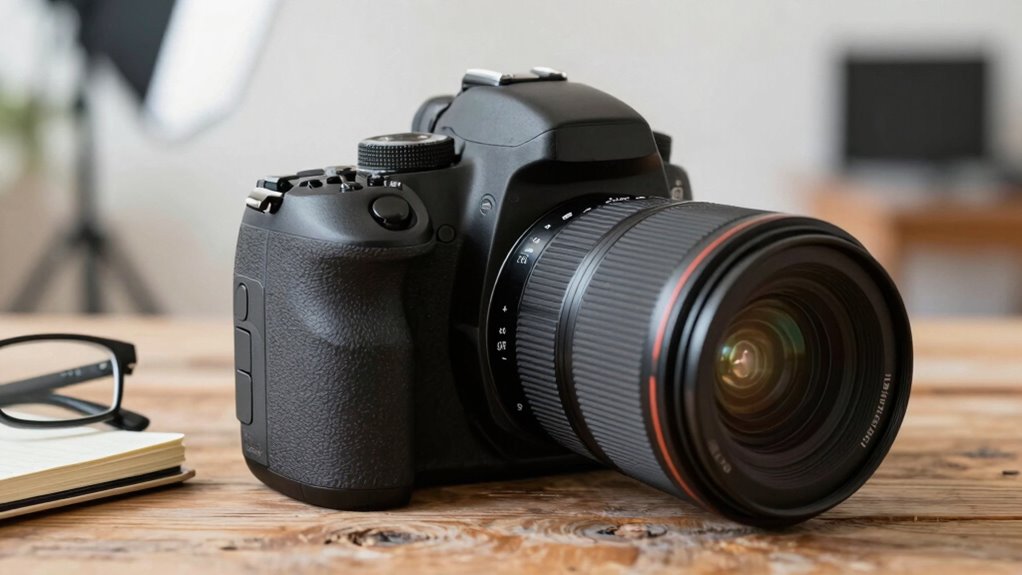

As a beginner, focusing on upgrading your lenses and lighting tools makes the biggest difference. A versatile zoom lens or a prime lens with a wide aperture can open new creative options and improve image sharpness. Adding reflectors or external lights helps control natural and artificial light for better results. Learning to manage these upgrades enhances your photo quality and confidence behind the camera. Keep exploring to discover more ways to elevate your photography skills.

Get your next haul delivered free — and shop member deals
- Fast, free delivery on millions of items
- Access to Prime Big Deal Days deals on October 6–7
- Prime Video, Amazon Music and more included
Key Takeaways
- Upgrading to a better lens, like a 24-70mm or prime lens, improves image quality and creative options.
- Enhancing lighting skills with reflectors, diffusers, or external flashes boosts photo professionalism.
- Moving from a basic camera to a model with manual controls allows better exposure and creative control.
- Investing in accessories like tripods and filters can significantly improve shot stability and quality.
- Learning to manipulate natural and artificial light is crucial for capturing compelling, well-lit images.
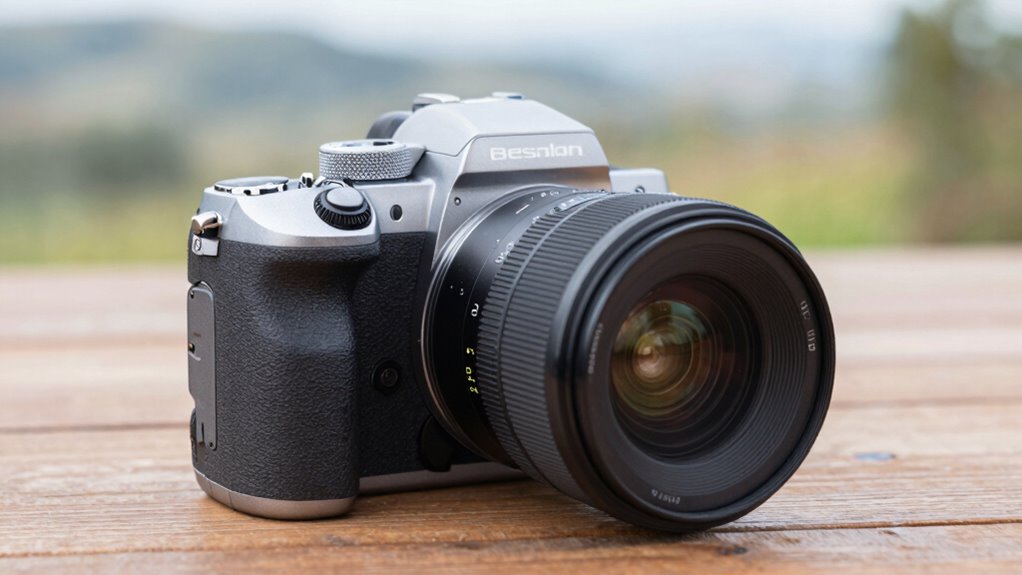
Starting with a basic camera is a great way to learn photography, but upgrading your gear can reveal new creative possibilities and improve your images. The two most impactful upgrades you can make are investing in better lens selection and mastering lighting techniques. These elements profoundly influence the quality of your photos and how much control you have over your shots.
When considering lens selection, think about what kind of photography excites you most. A versatile zoom lens, like a 24-70mm, allows you to shoot a variety of scenes without changing lenses, making it ideal for everyday use. If you’re interested in portraits, a prime lens with a wide aperture, such as a 50mm f/1.8, can help you achieve beautiful background blur and sharper subjects. For landscape photography, a wide-angle lens expands your field of view, capturing more of the scene’s detail. Upgrading your lens can dramatically improve image quality, sharpness, and low-light performance, giving you more creative control and enabling you to capture moments more precisely.
Lighting techniques are equally essential and often overlooked by beginners. Natural light is a fantastic starting point, but learning how to manipulate it can take your images to the next level. Use reflectors to bounce light onto your subject, softening shadows and creating a more flattering look. If you’re shooting indoors or in low light, a portable external flash or continuous lighting setup can help you control the light source and reduce noise. Experiment with backlighting, sidelight, or diffused light to see how different lighting setups change the mood and depth of your photos. Understanding how to work with light — whether by adjusting your camera settings like ISO, aperture, and shutter speed, or by using reflectors and diffusers — gives you the ability to craft the perfect shot in various environments. Developing an understanding of lighting control and how to modify natural and artificial light sources will significantly enhance your photography skills.
As an affiliate, we earn on qualifying purchases.
Frequently Asked Questions
How Do I Determine Which Camera Upgrade Suits My Style?
To determine which camera upgrade suits your style, consider your artistic vision and technical skills. Think about the types of photos you want to create—if you aim for detailed landscapes, a camera with better resolution might help. If you prefer fast action shots, look for faster autofocus and burst modes. Match upgrades to your current skills and creative goals, ensuring the new gear enhances your unique perspective, not just specs.
Are Expensive Camera Upgrades Necessary for Beginner Photographers?
Expensive camera upgrades aren’t necessary for beginners. Focus on improving camera ergonomics, which makes shooting more comfortable, and ensuring accessory compatibility so your gear integrates smoothly. Prioritize learning the basics first; advanced features come with experience. Investing in costly upgrades might not boost your skills right away. Instead, choose affordable, functional gear that enhances your comfort and creativity, helping you grow without overspending.
How Do Lens Upgrades Impact Photo Quality Versus Camera Body Upgrades?
Lens upgrades can substantially improve your photo quality more than just upgrading your camera body. A better lens offers sharper images, better low-light performance, and improved autofocus performance, especially if it’s compatible with your camera’s autofocus system. When choosing a lens, make sure it’s compatible with your camera to maximize these benefits. While camera bodies matter, investing in quality lenses often yields more noticeable improvements in your photos.
When Should I Prioritize Sensor or Image Processor Upgrades?
Think of your camera as a chef’s toolkit—sensor sensitivity and image processing are the spices that bring dishes to life. You should prioritize sensor upgrades when shooting in low light or needing better dynamic range, as it boosts sensor sensitivity. Opt for image processing improvements when you want cleaner images, faster processing, or better color accuracy. Both matter, but choose based on your shooting style and the kind of photos you want to create.
Can Upgrading My Camera Improve My Photography Skills Quickly?
Upgrading your camera can definitely boost your photography skills quickly, especially when paired with new camera accessories and improved techniques. A better camera offers higher image quality and more creative control, making it easier to learn advanced photography techniques. However, focus on mastering fundamentals first. Combining a camera upgrade with practice, experimenting with accessories, and exploring different techniques will accelerate your growth and help you capture stunning shots more consistently.
50mm f/1.8 prime lens for portraits
As an affiliate, we earn on qualifying purchases.
As an affiliate, we earn on qualifying purchases.
Conclusion
As you step into photography, remember that the right upgrades—like a better lens or a more responsive autofocus—are your tools for capturing life’s vivid moments. Think of your camera as a canvas; upgrading its features is like adding brighter colors and sharper brushes. With each enhancement, you’re not just taking photos—you’re painting stories that will come alive in your memory, turning simple snapshots into timeless works of art.
As an affiliate, we earn on qualifying purchases.
external camera flash for low light
As an affiliate, we earn on qualifying purchases.
As an affiliate, we earn on qualifying purchases.
Fall Picks
fall essentials
As an affiliate, we earn on qualifying purchases.