When it comes to getting your next car, you might be torn between leasing and buying. Each option has its own set of advantages and drawbacks that can greatly impact your finances and driving experience. You’ll want to think about factors like your budget, driving habits, and how often you want a new vehicle. So, which choice truly aligns with your needs? Let’s break down the essentials to help you make that decision.
Key Takeaways
- Leasing offers lower monthly payments and upfront costs, making it an attractive option for those seeking affordability and flexibility in vehicle choice.
- Buying a vehicle builds equity, providing long-term asset value and reducing transportation costs once the loan is paid off.
- Consider your driving habits; leasing typically has mileage limits, while buying allows unlimited mileage without incurring extra fees.
- Maintenance and repair costs tend to be lower with leasing, as vehicles are often under warranty, compared to older purchased vehicles.
- Evaluate your financial situation; higher credit scores can secure better buying rates, while leasing can be accessible even with lower credit scores.
Understanding the Basics of Leasing and Buying
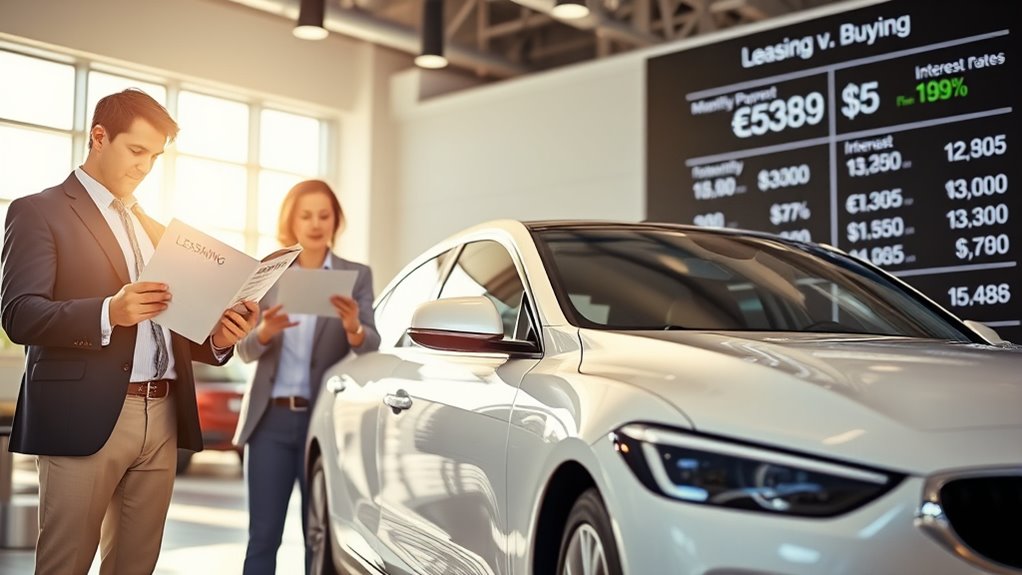
When you’re deciding between leasing and purchasing a vehicle, understanding the key differences is vital. Leasing means you’re fundamentally renting the car for a set period, usually two to three years, paying for its depreciation rather than the entire price. You won’t own the vehicle at the end of the lease, which limits your long-term asset accumulation. On the other hand, buying means you own the vehicle outright once the loan is paid off, building equity over time. While upfront costs for leasing tend to be lower, purchasing offers long-term value, especially if you keep the car beyond loan completion. Additionally, considering the total first-year cost of ownership can help you make a more informed decision, particularly if you plan to own the vehicle long-term. Ultimately, your choice depends on your financial situation, driving habits, and how much flexibility you want.
Monthly Payment Comparisons: Lease vs. Purchase

When you’re weighing leasing versus buying, the monthly payment can be a decisive factor. Typically, leasing offers lower payments because you’re only covering the vehicle’s depreciation, while buying means paying off the entire price. Understanding these payment structures can help you make a more informed choice based on your budget and needs. Additionally, considering the high refresh rates and overall performance of a vehicle can also influence your decision on whether to lease or buy.
Average Monthly Payments
What’s the difference in monthly payments between leasing and buying a vehicle? When you lease, you’ll typically pay around $612 per month, while buying averages about $682. Leasing often means lower monthly payments since you’re only covering the vehicle’s depreciation during the lease term, not the entire price. If you’re considering a new car, you might find that leasing requires less upfront cash compared to buying, which often involves higher taxes and fees. Keep in mind, though, that while leasing may seem cheaper monthly, those payments don’t build equity; they just keep rolling as long as you lease. Ultimately, the best choice for you depends on your budget and how long you plan to keep the vehicle. Additionally, it’s important to consider your investment goals when evaluating how a car purchase fits into your overall financial plan.
Payment Structure Differences
Although the choice between leasing and buying a vehicle often comes down to personal preference, understanding the payment structure differences can considerably impact your decision. When you lease, your monthly payments typically cover only the vehicle’s depreciation during the lease term, leading to lower payments—averaging around $612. In contrast, purchasing a car often results in higher monthly payments, averaging about $682 for auto loans. While leasing demands lower upfront costs and spreads sales tax over payments, buying builds equity over time. If you keep the car long after paying it off, the overall cost per year decreases. Ultimately, your decision hinges on whether you prioritize lower immediate payments or long-term ownership benefits. Additionally, much like eco-friendly natural pools, leasing can appeal to those who prefer flexibility and less commitment.
Building Equity: The Long-Term Benefits of Buying

While leasing may offer immediate financial relief through lower monthly payments, buying a vehicle builds long-term equity that can substantially benefit you in the future. When you purchase a car, every payment you make contributes to ownership, meaning you’ll eventually own a valuable asset. Once the loan is paid off, your car can provide years of use without monthly payments, reducing your overall transportation costs. Additionally, you have the freedom to sell or trade your vehicle whenever you choose, allowing you to leverage its value for future purchases. In contrast, leasing keeps you in a cycle of payments with no ownership, limiting your financial benefits and asset accumulation. Ultimately, buying offers a more rewarding long-term financial strategy. Moreover, owning a vehicle allows you to avoid excess wear and tear fees commonly associated with lease agreements.
The Flexibility of Leasing: Pros and Cons

Leasing offers you the chance to drive new models with the latest features every few years, keeping your ride fresh and exciting. However, you’ll need to navigate mileage limitations and potential fees if you exceed those limits, which can be a hassle. Plus, the restrictions on long-term ownership mean you won’t build equity like you would with a purchase, impacting your financial flexibility down the road. Additionally, leasing can be advantageous for those who prefer smart appliances that enhance their driving experience with modern technology.
Driving New Models
When you choose to lease a vehicle, you gain the flexibility to drive new models every few years, enjoying the latest advancements in technology and safety features. This option keeps your driving experience fresh and exciting. However, consider the emotional impact of constantly parting with a car you’ve grown attached to. Additionally, leasing often aligns with the latest cultural content trends and innovations in the automotive industry, reflecting a modern approach to vehicle ownership.
| Pros | Cons |
|---|---|
| Drive the latest models | No ownership equity |
| Lower monthly payments | Ongoing payments |
| Access to new tech | Lease-end fees |
| Fewer repair worries | Mileage restrictions |
Leasing lets you enjoy cutting-edge vehicles without the long-term commitment. Yet, weigh the emotional costs of always returning your car against the thrill of new adventures on the road.
Mileage Limitations
Driving the latest models offers exciting experiences, but it comes with mileage limitations that can impact your freedom on the road. When you lease, you’re typically bound to a specific annual mileage, often around 10,000 to 15,000 miles. Exceeding this limit can lead to hefty fees, which can quickly add up. If you’re someone who enjoys long road trips or has a long daily commute, these restrictions might feel too confining. On the flip side, leasing allows you to drive a new car every few years without the worry of depreciation. Balancing your driving habits with the limitations of a lease is essential. If flexibility is a priority, consider how these mileage constraints could affect your overall satisfaction. Additionally, understanding cookie preferences can help you make informed decisions when browsing for the best leasing options online.
Long-Term Ownership Restrictions
While many enjoy the appeal of a new vehicle every few years, long-term ownership restrictions can limit your options when leasing. When you lease, you often don’t build any equity, and you must return the vehicle at the end of the term. This means you can’t make modifications or accumulate long-term value like you would if you owned the car. Here’s a quick comparison of leasing vs. buying:
| Aspect | Leasing | Buying |
|---|---|---|
| Ownership | No equity built | Builds equity |
| Flexibility | Limited modifications | Full control |
| Long-term costs | Ongoing payments | One-time purchase cost |
Ultimately, if you want long-term benefits and flexibility, buying might be the better choice for you. Additionally, understanding the evidence primers around vehicle depreciation can help you make a more informed decision.
Financial Implications of Leasing and Buying

Understanding the financial implications of leasing and buying a vehicle can substantially impact your budget and long-term financial health. When you lease, your monthly payments are typically lower because they only cover the vehicle’s depreciation, not the entire price. However, buying offers you ownership and equity after the loan is paid off, making it generally cheaper in the long run if you keep the car. Leasing often involves lower upfront costs, but you won’t build any ownership equity. If you frequently change vehicles, leasing might suit you better. In contrast, if you plan to keep the car for years, buying can be more cost-effective, reducing your overall transportation expenses markedly over time. Additionally, understanding the financial independence achieved through personal branding, as seen in various public figures, can help you make more informed decisions regarding your vehicle purchase or lease.
Maintenance and Repair Considerations
Owning a vehicle comes with the responsibility of maintenance and repairs, which can considerably impact your overall cost of ownership. When you lease, most repairs and maintenance are typically covered by warranties, minimizing your out-of-pocket expenses. However, as a car owner, you’ll face costs that increase as your vehicle ages.
Here’s a quick comparison of maintenance considerations for leasing versus buying:
| Aspect | Leasing | Buying |
|---|---|---|
| Maintenance Coverage | Usually included | Out-of-pocket expenses |
| Repair Costs | Lower, covered under warranty | Increases with age |
| Flexibility | Limited to lease terms | Full control over repairs |
| Long-term Costs | Ongoing payments | One-time payments post-loan |
| Asset Value | No ownership | Builds equity over time |
Ultimately, consider your driving habits and budget when weighing these factors.
Market Trends Affecting Consumer Choices

As vehicle prices keep rising and interest rates climb, you might find leasing more appealing than ever for lower monthly payments. Many consumers are becoming aware of these trends, which can influence their buying decisions. Understanding how these market shifts affect your choices can help you make a smarter financial move.
Rising Vehicle Prices
With vehicle prices steadily rising, many consumers are re-evaluating their options between leasing and buying. Higher costs push you to contemplate how to manage your budget effectively. Leasing often presents a more affordable monthly payment compared to buying outright, allowing you to drive a new vehicle without the heavy financial burden. Here’s a quick breakdown of current costs:
| Option | Average Monthly Payment | Upfront Costs |
|---|---|---|
| Buying (New) | $749 | High |
| Buying (Used) | $529 | Moderate |
| Leasing | $612 | Low |
As prices continue to climb, leasing may become more attractive, letting you enjoy the latest models without long-term commitment.
Interest Rate Impacts
Interest rates substantially impact your decision between leasing and buying a vehicle, making it crucial to understand how they shape market trends. When interest rates rise, financing a purchase becomes more expensive, which can push you toward leasing instead. Leasing often features lower monthly payments and spreads sales tax over time, easing your immediate financial burden. As interest rates climb, leasing’s appeal grows, especially when average monthly lease payments are lower than auto loan payments. In 2025, the average lease payment was $659, compared to $682 for loans. This shift highlights why many consumers are leaning toward leasing as a more budget-friendly option amid rising costs, making it essential to consider how current rates affect your choices.
Consumer Leasing Awareness
How aware are you of the benefits and limitations of leasing a vehicle? Understanding leasing can markedly impact your decision-making. Many consumers still confuse the leasing process, despite its growing popularity. In 2025, about 20% of U.S. consumers chose to lease, primarily due to rising vehicle costs and interest rates. Leasing often offers lower monthly payments, making it an attractive option for those wanting newer models without hefty upfront costs. However, remember that leasing doesn’t build equity, and you may face mileage limits and potential fees. As automakers promote leases to boost customer loyalty, it’s essential to weigh these factors carefully. Increasing your leasing knowledge can empower you to make informed choices for your next vehicle.
The Impact of Credit Scores on Leasing and Buying
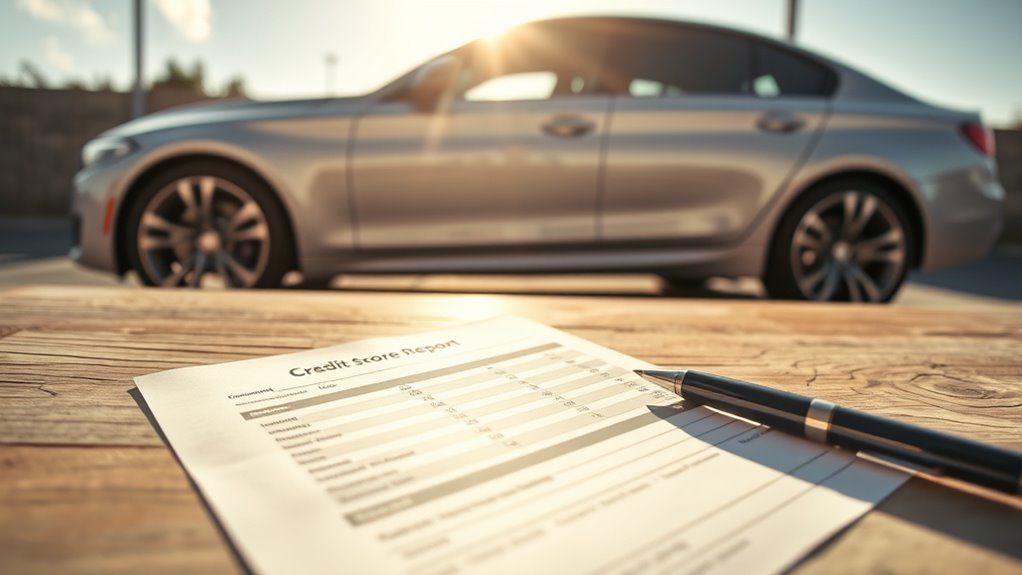
Although your credit score plays a crucial role in determining your financing options, it considerably influences whether you should lease or buy a vehicle. If you have a higher credit score, you’ll likely secure better interest rates on auto loans, making buying more appealing. In contrast, leasing often offers lower monthly payments, which can be attractive even with a lower score. Generally, lessees have higher average credit scores compared to buyers, reflecting the financial stability leasing companies seek. However, a poor credit score can limit your leasing options or result in higher costs. Ultimately, understanding how your credit score impacts these choices helps you make an informed decision based on your financial situation and preferences.
Upfront Costs: What to Expect
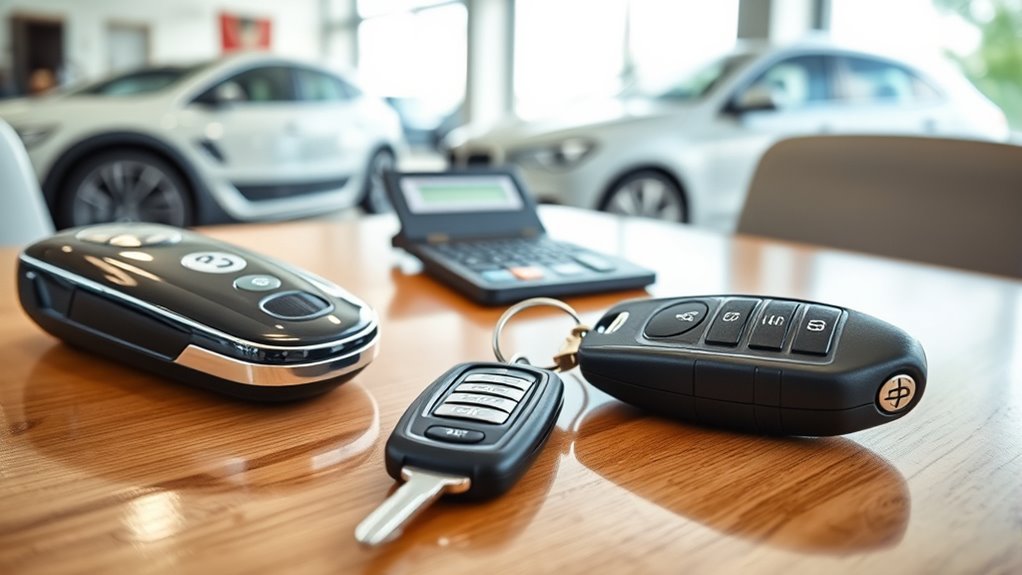
When considering whether to lease or buy a vehicle, upfront costs play a significant role in your decision-making process. If you opt to lease, you’ll typically face lower initial expenses. Expect to pay the first month’s lease payment, a security deposit, and any applicable taxes and fees. Buying, on the other hand, usually requires a larger down payment, which can be challenging if you’re on a tight budget. You’ll also need to account for sales tax on the entire purchase price. Keep in mind that while leasing may seem more affordable upfront, buying allows you to build equity over time. Assess your finances carefully to determine which option aligns best with your budget and financial goals.
Making the Right Choice for Your Lifestyle

Deciding between leasing and buying a vehicle largely depends on your lifestyle and personal preferences. If you enjoy driving the latest models with updated features every few years, leasing might be the better option for you. It typically involves lower upfront costs and less worry about maintenance. However, if you drive a lot or prefer having full control over your vehicle, buying could be the way to go. Ownership allows you to accumulate equity and make long-term savings. Consider your budget, driving habits, and how often you want a new car. By weighing these factors, you’ll find the option that aligns best with your needs and lifestyle.
Frequently Asked Questions
Can I Negotiate Lease Terms Like Purchase Prices?
Yes, you can negotiate lease terms just like purchase prices. Start by discussing the vehicle’s price, which can reduce your monthly payments. Don’t hesitate to negotiate the money factor, which affects interest rates on your lease. Additionally, you can talk about mileage allowances and any upfront costs. Research market values and be prepared with information to strengthen your position. Ultimately, it’s about finding terms that work best for your budget and needs.
What Happens if I Exceed My Lease Mileage Limit?
If you exceed your lease mileage limit, you’re likely to face hefty fees, often charged per additional mile. This can add up quickly, so it’s best to keep an eye on your odometer. You might also find yourself in a bit of a pickle if you need to return the vehicle in good condition, as excessive wear could lead to further charges. Always read your lease agreement carefully to avoid any surprises!
Are There Tax Benefits for Leasing a Vehicle?
Yes, there are tax benefits for leasing a vehicle. When you lease, you often spread the sales tax over your monthly payments instead of paying it all upfront, which can ease your immediate financial burden. If you use the vehicle for business, you might also deduct a portion of your lease payments on your taxes. Just keep in mind that the specific benefits can vary based on your location and tax situation.
Can I Transfer My Lease to Someone Else?
If you’re looking to pass the baton, you can often transfer your lease to someone else, but it depends on your leasing company’s policies. You’ll want to check your lease agreement and get in touch with the provider. They might have specific requirements or fees, so it’s wise to dot your i’s and cross your t’s before making any moves. Just remember, not all leases allow for this transfer, so verify first!
What Should I Do if My Lease Vehicle Is Damaged?
If your lease vehicle is damaged, you should first assess the extent of the damage. Document it with photos and gather any relevant paperwork. Notify your leasing company as soon as possible; they’ll guide you on the next steps. You may need to file a claim with your insurance. Be aware of potential fees or charges for repairs if the damage exceeds normal wear and tear. Always keep communication open with your leasing provider.
Conclusion
In the end, whether you lease or buy really comes down to your lifestyle and financial goals. Remember, about 30% of Americans opt to lease their vehicles, drawn in by lower monthly payments and the allure of new models. But if you’re planning to keep your car for years, buying might save you more in the long run. Whichever route you choose, make sure it aligns with your needs and gives you peace of mind on the road.