
To read product reviews like a pro and spot fakes, look for patterns like many reviews posted at once or repetitive phrases across multiple comments. Focus on detailed feedback that mentions specific experiences, pros, and cons, rather than overly vague praise. Check reviewer profiles for genuine activity and varied reviews, avoiding accounts with only glowing comments or new, suspicious profiles. Keep an eye on timing and language cues—if you’re curious to uncover more secrets, continue exploring these tips.
Key Takeaways
- Look for detailed reviews that mention specific product features, usage scenarios, and minor issues for authenticity.
- Check review timing and patterns; clustered or repetitive reviews may indicate fake or coordinated posting.
- Assess reviewer profiles for varied review history and genuine activity rather than limited, overly positive accounts.
- Be cautious of overly enthusiastic language or generic praise lacking concrete details.
- Compare multiple reviews for consistency and natural variation to identify trustworthy feedback.

Have you ever wondered how to quickly tell if a product is worth your time and money just by reading reviews? Spotting genuine feedback from fake comments can seem tricky, but paying attention to certain authenticity cues can make all the difference. When you analyze review patterns, you’ll start noticing signs that reveal whether reviews are honest or fabricated. Genuine reviews often follow natural language, contain specific details, and show consistent opinions, while fake ones tend to be overly generic, overly positive or negative, and sometimes repetitive.
Start by observing the review patterns. Fake reviews frequently appear in clusters, posted around the same time, or exhibit similar wording and tone. They might read like a scripted sales pitch, emphasizing only the positives without mentioning any drawbacks. Authentic reviews, on the other hand, usually vary in length and style, reflecting real experiences. They often include specific details about how the product was used, its pros and cons, and even mention minor issues that real users face. When reviews seem too perfect or uniformly glowing, it’s a red flag. Conversely, a healthy mix of positive and negative comments indicates a more genuine conversation.
Fake reviews cluster, sound scripted, or are overly perfect; genuine ones vary in detail and tone.
Next, focus on authenticity cues within the reviews themselves. Look for detailed descriptions that go beyond superficial praise. For example, a reviewer might mention how the product fit comfortably, how it held up over time, or specific scenarios where it was particularly useful. These cues suggest the reviewer has genuinely used the product. Be wary of reviews that are vague, overly enthusiastic, or lack concrete information—they might be fake. Also, check the language for signs of automation or repetitive phrases, which are common in fake reviews. Authentic reviewers tend to write with varied sentence structures and exhibit a natural tone. Additionally, understanding the flushing mechanisms and efficiency of toilets can help identify reviews that are based on actual usage versus those influenced by misconceptions or misinformation.
Another tip is to scan the reviewer profiles when possible. Genuine reviewers often have a history of varied reviews across different products or categories, adding credibility to their opinions. Fake reviewers may have only one or two reviews, often all glowing or overly promotional. If you notice a pattern of suspiciously similar reviews coming from accounts created recently or with generic usernames, treat those with caution.
In essence, learning to read product reviews like a pro involves attentively analyzing review patterns and authenticity cues. By recognizing the subtle signs of genuine feedback, you can make smarter purchasing decisions, avoid scams, and save yourself from wasting money on subpar products. The more you practice, the better you’ll become at filtering out the noise and trusting the reviews that truly reflect real user experiences.
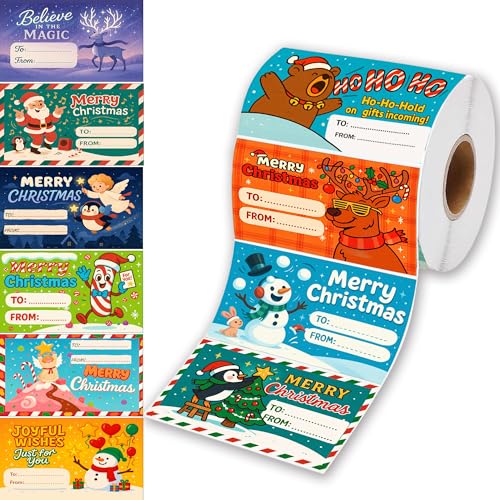
PNTNQA 500 Pcs Christmas Gift Tags Stickers Roll - Zero Repeats Unique Designs - Self Adhesive to from Labels for Holiday Gift Wrapping - Name Tags for Presents, Cards & Bags, 2.95 x 1.6 Inches
❄️ 500 UNIQUE DESIGNS, ZERO REPEATS This isn't your average repeating roll. We’ve packed 500 distinct designs into...
As an affiliate, we earn on qualifying purchases.
Frequently Asked Questions
How Can I Tell if Reviews Are Paid or Biased?
You can tell if reviews are paid or biased by looking for patterns in the feedback. Authentic reviews usually vary in tone and detail, while biased ones tend to be overly positive or negative without specifics. Watch for suspicious review patterns, like many reviews coming from new accounts or similar wording. Trust your instincts and compare multiple reviews to get a clearer picture of genuine feedback.
What Are Subtle Signs of Fake Reviews?
Fake reviews can be sneaky chameleons hiding in plain sight. Watch for review language tricks like overly generic praise or overly detailed, repetitive stories that seem rehearsed. Timing cues also matter—if many reviews appear in a short span or all at once, it’s suspicious. These subtle signs suggest someone might be trying to sway your opinion, so stay alert and trust your instincts when reviews seem too good or too bad to be true.
Do Verified Purchase Reviews Hold More Weight?
Yes, verified purchase reviews tend to hold more weight because they come from customers who actually bought the product. You should pay more attention to these reviews, as they’re generally more authentic and reliable. Verified purchases help you gauge review authenticity, making it easier for you to distinguish genuine feedback from fake or biased opinions. Trust verified reviews to make smarter, more informed buying decisions.
How Many Reviews Are Enough to Trust a Product?
Think of product reviews as a tapestry; the more threads you see, the clearer the picture. Usually, around 30 reviews provide a solid sense of review patterns and reviewer credibility, helping you gauge reliability. Keep an eye on consistent feedback, avoid overly positive or negative outliers, and consider verified purchase reviews. This way, you’ll make smarter choices, trusting the reviews that truly reflect the product’s quality.
Can Reviews Be Manipulated Through Language or Timing?
Yes, reviews can be manipulated through language cues and timing patterns. You should watch for overly generic, overly positive, or repetitive language that seems scripted, as well as review timing patterns like a sudden surge of reviews shortly after a product launches. By paying attention to review language cues and timing patterns, you can better spot fake reviews and make more informed purchasing decisions.

JTEMAN Cell Phone Stand with Bluetooth Speaker, HD Stereo Sound & Anti-Slip Base, Foldable Adjustable Desktop Phone Holder for Home Office, Cool Tech Gadgets Birthday Gifts for Men Women (Black)
2-in-1 Bluetooth Speaker & Phone Stand: Jteman combines a sturdy hands-free holder with a powerful wireless speaker. Free...
As an affiliate, we earn on qualifying purchases.
Conclusion
By mastering review analysis, you become a smarter shopper. Remember, over 90% of consumers read reviews before buying, making your ability to spot genuine feedback vital. Spotting fake reviews isn’t just about skepticism; it’s about saving money and avoiding disappointment. When you practice these tips, you’ll confidently navigate reviews like a pro, ensuring each purchase is a smart choice. Keep sharpening your skills—your wallet and peace of mind will thank you!

Bedsure Wearable Blanket Hoodie, Long Hooded Blanket Sweatshirt as Christmas Birthday Gifts for Men Cozy Sherpa Hoodie for Adult, Oversize, Lavender
A Gift for Your Loved Ones: Give the ultimate cozy blanket hoodie, perfect as gifts for men, gifts...
As an affiliate, we earn on qualifying purchases.

Mothers Day Gifts for Mom Wife Women, Fathers Day Dad Husband Men Gifts, Shiatsu Neck Back and Shoulder Massager with Heat for Pain Relief Deep Tissue, Birthdays, Valentine’s Day, Christmas Gift
NOT CORDLESS DEEP TISSUE MASSAGER: Perfect for celebrating special occasions like Mother's Day and Father's Day, the Mirakel...
As an affiliate, we earn on qualifying purchases.