
When tackling home projects, you often face the DIY versus buy dilemma. It’s tempting to save money and personalize your space with a little elbow grease. However, not every project is suitable for a DIY approach. Understanding your skills and the task’s complexity is vital. So, how do you know when it’s smart to roll up your sleeves or call in a professional? Let’s explore the factors that can guide your decision.

Get your next haul delivered free — and shop member deals
- Fast, free delivery on millions of items
- Access to Prime Big Deal Days deals on October 6–7
- Prime Video, Amazon Music and more included
Key Takeaways
- Evaluate your skill level against the project’s complexity to determine if DIY is a feasible option or if professional help is needed.
- Consider the potential cost savings of DIY projects, but account for hidden costs and the risk of mistakes.
- Assess the time commitment required for the project and whether you can afford delays that may arise from DIY efforts.
- Identify projects that involve significant safety risks or intricate systems, such as plumbing or electrical work, which warrant hiring professionals.
- Reflect on personal satisfaction and creativity gained from DIY, as these can enhance your living space while fostering a sense of accomplishment.
Understanding the DIY Landscape
As you navigate the DIY landscape, understanding the shifting trends and demographics shaping homeowner behavior today is vital. First-time homebuyers dominate the market, favoring modest upgrades like painting and flooring over major renovations. Millennials lead the charge in DIY engagement, particularly with intermediate projects, while younger homeowners under 25 show a high participation rate. However, as homeowners age, their DIY involvement tends to decline. You’ll notice that while 75% of homeowners tackle DIY projects, secondary homeowners often combine DIY with professional help. The economic landscape also influences decisions, as many prioritize cost-effectiveness and enjoyment in their projects. Recognizing these dynamics will help you make informed choices about when to roll up your sleeves and when to call in the pros. Additionally, many young homeowners draw inspiration from television appearances to engage in DIY projects that reflect personal style.
Key Demographics in Home Improvement

When considering home improvement, understanding the age trends of homebuyers can really shape your DIY decisions. Younger homeowners are more likely to engage in DIY projects, while older generations often prefer to hire professionals, impacting overall spending patterns. Knowing these demographics helps you tailor your approach to home improvement based on your specific needs and capabilities. Additionally, younger generations tend to prioritize high refresh rates and modern technology in their home entertainment setups, influencing their DIY project choices.
Homebuyer Age Trends
Understanding homebuyer age trends is essential for steering the home improvement landscape. Different age groups approach DIY projects distinctively, impacting what you’ll choose to tackle. Here’s a snapshot of engagement across generations:
| Age Group | DIY Participation Rate | Typical Project Type |
|---|---|---|
| Under 25 | 62% | Minor cosmetic upgrades |
| 25-34 (Millennials) | 73% | Intermediate improvements |
| 35-54 (Gen X) | 50% | Mix of DIY and professional |
| 55-74 (Boomers) | 30% | Professional renovations |
| 75+ (Seniors) | 15% | Rarely DIY, mostly professional |
As you navigate your home improvement choices, consider how these trends can guide your decisions on whether to DIY or hire a professional. Additionally, younger homeowners often prefer to incorporate eco-friendly practices in their projects to promote sustainability.
DIY Participation Rates
While many homeowners engage in DIY projects, participation rates vary considerably by demographic, impacting the types of projects you might consider. Younger homeowners, particularly those under 25, show a 62% DIY participation rate, while Millennials reach about 73%. In contrast, older generations tend to hire professionals more often, with Baby Boomers and Gen X spending substantially on renovations but participating less in DIY. First-time homebuyers typically prefer manageable tasks like painting or flooring, while secondary homeowners lean towards professional help, combining it with DIY. This demographic shift influences the popularity of various projects, encouraging you to assess your age group and skills when deciding whether to tackle a project yourself or hire help. Additionally, incorporating essential oils for relaxation into your DIY home projects can enhance the overall atmosphere and well-being of your living space.
Generational Spending Patterns
How do generational differences shape spending patterns in home improvement? Younger homeowners, especially Millennials and Gen Z, tend to engage in DIY projects for modest upgrades, focusing on cost-effective choices. With a 73% DIY participation rate, they often tackle painting, flooring, and landscaping. In contrast, Baby Boomers and Gen X prefer hiring professionals, spending notably more on renovations—around $24,000 to $25,000 per project. As you age, DIY enthusiasm typically declines due to budget constraints and physical limitations. Moreover, younger homeowners may lack the experience needed for complex tasks, leading them to opt for professional help despite a strong interest in DIY. This generational divide influences both spending habits and project types in the home improvement market. Additionally, curiosity and happiness can play a role in motivating younger generations to explore new DIY projects and enhance their living spaces creatively.
The Economic Impact of DIY Projects
As you delve into DIY projects, it’s essential to recognize their vital economic impact on both your finances and the broader home improvement market. Engaging in DIY can save you money while also contributing to a booming industry. Here are some key points to consider:
Recognizing the economic impact of DIY projects can enhance your finances and contribute to a thriving home improvement market.
- Homeowners spent approximately $827 billion on home improvements recently, highlighting the market’s growth.
- DIY projects accounted for 36% of all projects, reflecting a strong desire for personal involvement.
- The average DIY project costs about $2,700, markedly less than hiring professionals.
- Completing DIY tasks can boost your home’s value, enhancing your financial standing. Additionally, successful DIY projects can embody the key traits of successful software quality assurance engineers, such as attention to detail and problem-solving skills.
Cost-Effectiveness: Weighing DIY vs. Professional Help

Engaging in DIY projects can be a rewarding experience, but it’s important to evaluate whether you’re truly saving money or potentially increasing your costs. While DIY can seem cost-effective, you might face hidden expenses like materials or mistakes that can add up quickly. If you’re not confident in your skills, you could end up spending more fixing errors than hiring a professional from the start. Consider your time, too—sometimes, the hours spent on a project might outweigh the savings. For complex tasks, like plumbing or electrical work, professionals can ensure safety and compliance. Additionally, investing in high-quality tools can enhance your DIY experience and lead to better results. Weigh your skills and the project’s demands, and don’t hesitate to invest in professional help if it leads to better results and long-term savings.
Common DIY Projects for Homeowners
When it comes to DIY, many homeowners tackle popular projects like painting, flooring, and simple landscaping to enhance their spaces. You’ll want to contemplate your skill level, as some tasks are more suited for beginners while others may require a bit more experience. Understanding what’s achievable can help you make the most of your DIY efforts while avoiding costly mistakes. Additionally, having the right DIY tools can significantly impact the success of your projects.
Popular DIY Projects
While many homeowners might feel overwhelmed by the idea of tackling home improvement projects, there are several popular DIY options that are both manageable and rewarding. You can impress yourself and others with these simple yet impactful projects:
- Fresh Paint: Transform a room’s vibe with a new color. It’s affordable and satisfying!
- Garden Landscaping: Add curb appeal and create a relaxing outdoor space that you’ll love spending time in.
- Shelving Installation: Maximize storage and organization by installing shelves, giving your space a clean look.
- Backsplash Update: Revitalize your kitchen or bathroom with a stylish backsplash—it’s a small change that makes a big difference.
Additionally, engaging in these projects can help you gain valuable skills and knowledge about modern gadgets and tools that can enhance your DIY experience. These projects not only enhance your home but also boost your confidence and creativity!
Skill Level Considerations
After exploring some popular DIY projects, it’s important to think about your skill level before taking on any task. Knowing what you can handle helps you avoid costly mistakes. Here’s a quick guide to help you assess your capabilities:
| Skill Level | Suitable DIY Projects | When to Hire a Professional |
|---|---|---|
| Beginner | Painting, small decor changes | Major plumbing or electrical work |
| Intermediate | Flooring, tiling | Structural repairs |
| Advanced | Custom cabinetry, drywall work | HVAC installations |
In addition to assessing your skills, consider how smart technology can enhance your home projects.
Generational Trends in DIY Participation

Though generational differences considerably shape DIY participation, younger homeowners, particularly Millennials and Gen Z, engage more actively in these projects compared to their older counterparts. You might find it inspiring that younger generations prioritize hands-on involvement and creativity in home improvement. Here are a few reasons to join the DIY movement:
Younger generations are leading the DIY movement, embracing creativity and hands-on projects in home improvement.
- Personal Satisfaction: There’s nothing quite like the pride of completing a project yourself.
- Cost Savings: You can save money while making your space uniquely yours.
- Skill Development: Every project is an opportunity to learn and gain confidence.
- Community Connection: Sharing your DIY journey can strengthen bonds with friends and neighbors.
Joining the DIY trend lets you express yourself and take control of your living space!
Risks and Challenges of DIY Projects
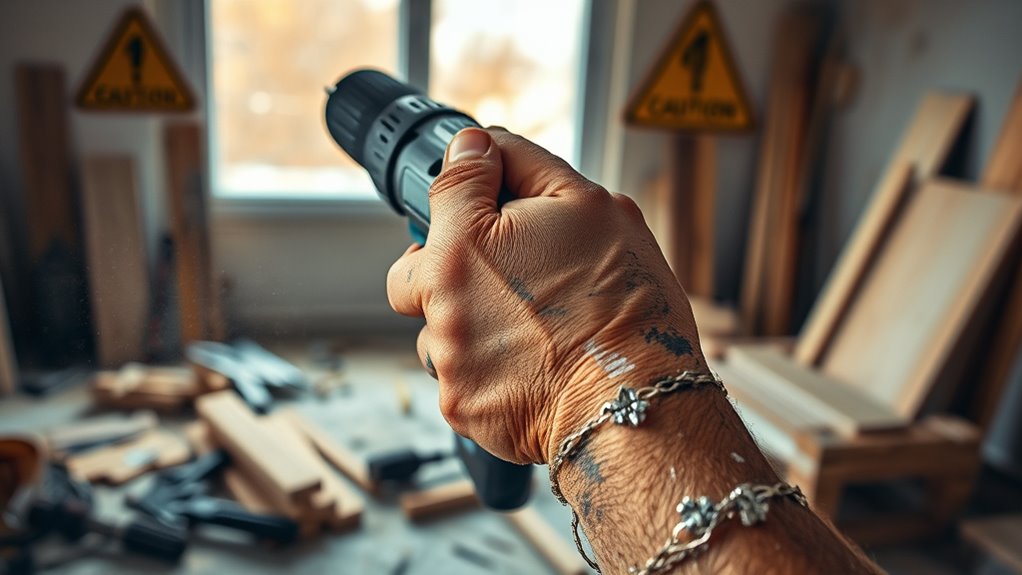
Engaging in DIY projects can be incredibly rewarding, but it’s important to recognize the potential risks and challenges that come with them. First, you might underestimate the complexity of a project, leading to costly mistakes. About 80% of DIYers admit to making errors, and fixing those blunders can exceed what you’d pay for a professional. You also risk injury if you lack the proper tools or safety knowledge, especially with heavy materials or power tools. Additionally, your time investment can be significant, often stretching timelines beyond your initial plan. Ultimately, if you’re not skilled, the final result may not meet your expectations, potentially affecting your home’s value. Balancing these risks with your abilities is essential before diving into a DIY endeavor.
When to Hire a Professional: Red Flags

When you’re considering a DIY project, it’s essential to recognize the signs that indicate it’s time to call in a professional. Ignoring these red flags can lead to costly mistakes or unsafe situations. Keep an eye out for:
- Complexity: If the project involves intricate plumbing or electrical work, don’t risk it.
- Time Constraints: If you’re already stretched thin, hiring a pro can save your sanity.
- Lack of Skills: If you’re unsure of your abilities, it’s wiser to invest in expertise.
- Safety Concerns: If the task poses a risk to your safety or the structural integrity of your home, it’s time to let a professional handle it.
The Future of DIY in Home Improvement

As homeowners increasingly seek personalized spaces, the future of DIY in home improvement looks promising, blending creativity with practicality. You’ll notice a growing trend among younger generations, especially Millennials and Gen Z, who embrace DIY projects that reflect their unique styles. While DIY participation may decline with age, the enthusiasm for smaller, manageable projects remains strong. Expect to see more innovation in tools and materials, making it easier for you to tackle tasks confidently. Additionally, as technology evolves, online platforms will offer resources and inspiration, enhancing your DIY experience. While professional services will still play a essential role in complex projects, the DIY spirit will continue to thrive, encouraging you to create your dream home at your own pace.
Maximizing ROI on Home Projects
To maximize your return on investment (ROI) for home projects, it’s crucial to choose upgrades that not only enhance your living space but also appeal to future buyers. Focus on projects that offer the best value, and you’ll see your efforts pay off when it’s time to sell.
- Fresh Paint – A new coat can transform a room, making it feel modern and inviting.
- Updated Flooring – Modern flooring options can drastically improve aesthetics and perceived value.
- Curb Appeal – Landscaping or a new front door creates a welcoming first impression.
- Kitchen & Bath Updates – Minor cosmetic upgrades can considerably boost your home’s marketability.
Choose wisely, and your home will shine for both you and potential buyers!
Frequently Asked Questions
What Tools Are Essential for Common DIY Projects?
For common DIY projects, you’ll need a few essential tools. Start with a drill for making holes and driving screws. A tape measure guarantees accurate dimensions, while a level helps keep things straight. Don’t forget a hammer for nails and a utility knife for cutting materials. A set of screwdrivers is vital for various fasteners, and safety gear like goggles and gloves protects you during work. These tools will make your projects smoother and more successful!
How Can I Learn DIY Skills Effectively?
Imagine stepping into a world where you wield tools like a painter holds a brush. To learn DIY skills effectively, start with online tutorials or community workshops; they’re your treasure maps to knowledge. Practice on small projects, letting each success boost your confidence. Don’t shy away from mistakes; they’re just stepping stones to mastery. Finally, join DIY forums to share tips and get inspired by others. Your DIY journey is waiting—let’s get started!
Are There Specific DIY Projects That Increase Home Value?
Yes, certain DIY projects can definitely increase your home value. Focus on cosmetic upgrades like painting, refinishing floors, or updating kitchen and bathroom fixtures. Enhancing curb appeal with landscaping or outdoor improvements also pays off. These projects offer a strong return on investment, making your home more attractive to potential buyers. Just make certain you keep quality in mind; poorly done projects can detract from your home’s value instead.
What Safety Precautions Should I Take When DIYING?
When you’re DIYing, always prioritize safety. Wear the right protective gear, like gloves and goggles, to shield against hazards. Make certain your workspace is well-ventilated, especially when using chemicals. Keep a first aid kit nearby for emergencies and know how to use it. Use tools correctly by following the manufacturer’s instructions and maintaining them well. Finally, don’t hesitate to ask for help if a project feels beyond your skill level.
How Do I Budget for DIY Projects Efficiently?
To budget for your DIY projects efficiently, picture a well-organized toolbox brimming with materials and tools. Start by listing all needed supplies and estimating costs, keeping a buffer for unexpected expenses. Research prices online and at local stores, comparing your options like a savvy shopper. Track your spending as you go, ensuring you stick to your budget while still enjoying the creativity of your project. By planning wisely, you’ll prevent financial surprises!
Conclusion
In the end, whether you choose to DIY or buy, remember to weigh your skills, assess the project’s complexity, and prioritize safety. Embrace the satisfaction of creating, relish the joy of customization, but recognize the value of expertise when needed. As you navigate your home improvement journey, let your confidence guide your choices, and let your budget inform your decisions. Ultimately, balancing passion with practicality will lead you to the best outcome for your home.
Fall Picks
fall essentials
As an affiliate, we earn on qualifying purchases.