
To sell your used clothes online and make money, focus on trendy, vintage-style pieces that buyers seek, like leather jackets or high-waisted jeans. Take clear, well-lit photos and provide detailed descriptions, including measurements and condition. Choose the right platform—whether it’s Poshmark, Depop, or eBay—and price competitively by researching similar items. Respond promptly to inquiries and ship carefully. Discover more tips to maximize your sales and turn your wardrobe into cash.

Get your next haul delivered free — and shop member deals
- Fast, free delivery on millions of items
- Access to Prime Big Deal Days deals on October 6–7
- Prime Video, Amazon Music and more included
Key Takeaways
- Choose trendy, authentic vintage items and present them with high-quality photos to attract buyers.
- Select suitable resale platforms based on your clothing type and ensure detailed, honest listings.
- Price items competitively by researching similar listings and emphasizing their unique, eco-friendly qualities.
- Respond promptly to inquiries, provide additional images if needed, and ship carefully to build trust.
- Highlight sustainability benefits in your listings to appeal to eco-conscious buyers and boost sales.

Have you ever wondered how fashion resale is transforming the way we shop? Today, more people are turning to secondhand platforms to sell their used clothes, and it’s changing the game in a big way. Vintage trends are making a major comeback, and buyers are enthusiastic for unique pieces that tell a story. By selling your clothes online, you not only make money back but also participate in sustainable shopping, reducing waste and promoting eco-friendly fashion choices.
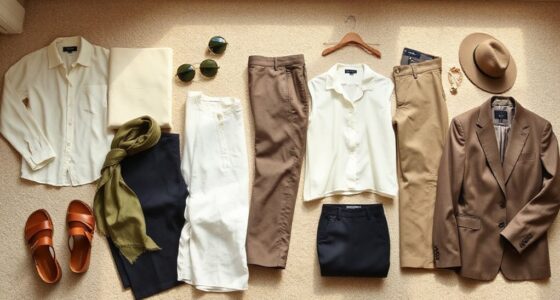
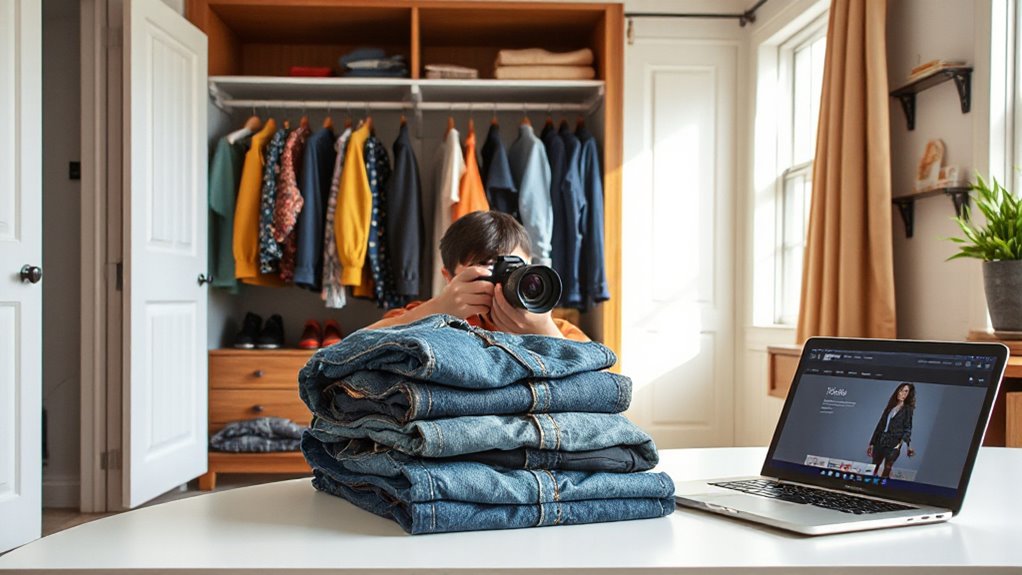
When you decide to sell your clothes, it’s important to focus on items that align with current vintage trends. Think timeless leather jackets, retro band tees, or high-waisted jeans that are back in style. These pieces tend to attract buyers looking for authentic vintage finds and often fetch a better price. The key is to be honest about the condition and style of your items, and to present them well in photos. Clean, well-lit images that highlight details can make a significant difference in how quickly your items sell.
Sustainable shopping is at the core of the resale movement, and you can leverage that to your advantage. Many buyers are motivated by eco-conscious choices, seeking to reduce their environmental impact by reusing clothing. When you list your used clothes, emphasize their quality and the fact that they’re part of a circular economy. This can help justify your asking price and attract environmentally-minded shoppers who want to make a positive impact by purchasing secondhand.
Choosing the right platform is essential. Some sites cater specifically to vintage or designer items, while others focus on everyday secondhand clothing. Make sure your listings are clear and detailed, including measurements, material information, and any flaws. Price your items competitively but fairly—research similar listings to gauge what buyers are willing to pay.
Once you start selling, keep your communication prompt and friendly. Answer questions quickly, and provide additional photos if requested. Shipping efficiently and packaging your items carefully also leaves a good impression and can lead to positive reviews, encouraging more sales. Remember, the more you engage with buyers and optimize your listings, the faster you’ll turn your used clothes into cash.
In the end, selling your used clothes online isn’t just about making money; it’s about participating in a movement towards more sustainable shopping habits. By tapping into vintage trends and emphasizing the eco-friendly aspects of resale, you help reduce waste and give your wardrobe a new life. It’s a win-win situation that benefits your wallet and the planet.
vintage leather jacket for women
As an affiliate, we earn on qualifying purchases.
As an affiliate, we earn on qualifying purchases.
Frequently Asked Questions
How Do I Price My Used Clothes Competitively?
To price your used clothes competitively, start with effective pricing strategies like setting a fair, attractive price point. Conduct market research by checking similar items’ prices on resale platforms to understand the going rate. Adjust your prices based on condition, brand, and demand. Keep an eye on trends and be willing to offer discounts or bundle deals to stay competitive and attract buyers quickly.
What Are the Best Platforms for Selling Vintage Items?
Imagine walking through a treasure trove—platforms like Etsy, Depop, and eBay are your best bets for vintage authenticity and rare finds. Etsy shines for handmade and vintage treasures, while Depop appeals to younger buyers seeking unique pieces. eBay offers a vast audience for high-demand items. Use these platforms to showcase your vintage items, highlight authenticity, and attract collectors craving those rare finds, turning your wardrobe into cash.
How Do I Handle Returns and Customer Disputes?
When handling returns and customer disputes, you should clearly state your return policies upfront to set expectations. Stay calm, listen carefully to the customer’s concerns, and offer fair solutions like refunds or exchanges. Use dispute resolution strategies such as mediation or platform arbitration if needed. This approach helps maintain your reputation, guarantees customer satisfaction, and minimizes negative reviews, making your resale business more trustworthy and successful.
What Should I Include in My Product Descriptions?
You should include clear material descriptions and accurate sizing details in your product listings. Mention the fabric type, condition, and any unique features to attract buyers. Be honest about sizing—provide measurements and fit information—to reduce returns. Use high-quality photos alongside these details, ensuring buyers know exactly what they’re purchasing. This transparency builds trust, encourages sales, and helps manage customer expectations effectively.
How Can I Securely Receive Payments From Buyers?
Over 80% of buyers prefer secure payment methods, so you should prioritize payment security to prevent fraud. Use trusted platforms like PayPal or Stripe, which offer fraud prevention tools and buyer protection. Always verify buyer identities, avoid wire transfers, and opt for escrow services when possible. This approach keeps transactions safe, builds trust, and ensures you receive payments securely without risking fraud or chargebacks.
As an affiliate, we earn on qualifying purchases.
Conclusion
Now that you know how to sell your used clothes online, you’re ready to turn your wardrobe clutter into cash. Think of it like planting seeds—you’ll reap the rewards as your items find new homes. Whether you’re clearing out for a fresh start or just making some extra money, resale is a simple, eco-friendly way to give your clothes a second life. So go ahead, start selling and watch your wardrobe—and your bank account—bloom.
secondhand designer clothing platform
As an affiliate, we earn on qualifying purchases.
As an affiliate, we earn on qualifying purchases.
clothing measuring tape for sellers
As an affiliate, we earn on qualifying purchases.
As an affiliate, we earn on qualifying purchases.
Fall Picks
fall essentials
As an affiliate, we earn on qualifying purchases.