
To choose the best mobile plan, focus on both network coverage and customer support. Make certain the provider offers reliable service in your daily areas and along your regular routes by checking coverage maps and asking others nearby. Also, pick a carrier known for quick, helpful support in case of issues. Balancing these factors with your data needs and budget guarantees a smoother experience—learn more about making the perfect choice as you explore these essential points.
Key Takeaways
- Evaluate network coverage in your areas and travel routes to ensure reliable call and internet service.
- Consider customer support quality, responsiveness, and availability when choosing a mobile provider.
- Compare data limits, pricing, and plan features to find a balance between affordability and your usage needs.
- Read reviews or seek feedback from current users to gauge real-world service performance.
- Prioritize plans that offer strong coverage and support for a seamless, stress-free mobile experience.

Have you ever looked at your mobile plan and wondered what all those numbers and terms really mean? It can be confusing trying to figure out what’s most important when choosing a plan. The key is understanding how network coverage and customer support fit into the bigger picture. These factors directly impact your daily experience and overall satisfaction with your provider.
Network coverage is what makes or breaks a mobile plan. No matter how affordable or generous the data allowance, if the coverage isn’t reliable where you live, work, or travel, you’ll find yourself frustrated with dropped calls or slow internet. Before signing up, it’s vital to research which providers have strong coverage in your area. Many carriers publish coverage maps online, showing where their signals are strongest. Don’t just rely on these; ask friends or neighbors about their experiences with different providers. If you often commute or travel, check if the carrier offers good coverage along your routes and in the places you frequent. Remember, even the best plan is worthless if you can’t connect when you need to.
Reliable network coverage is essential; research coverage in your area before choosing a mobile plan.
Customer support is equally important and often overlooked. When something goes wrong—be it billing issues, network outages, or technical difficulties—you want quick, helpful assistance. Look for providers with a reputation for responsive customer service. Read reviews or ask current users about their experiences. Some companies offer 24/7 support via chat, phone, or email, which can be a lifesaver during emergencies. Good customer support can make the difference between a minor inconvenience and a major headache. Also, consider whether the provider offers straightforward plans without confusing fine print or hidden fees. Transparent communication builds trust and saves you from surprises down the line.
Additionally, the contrast ratio of a projector significantly influences the quality of the displayed images, especially in dark scenes, making visuals more vibrant and detailed. Balancing these two factors is vital when choosing the right plan. A provider with excellent network coverage ensures you stay connected, while responsive customer support guarantees you’ll get help when you need it most. Don’t be swayed solely by attractive data limits or low prices; always check the quality of service behind the scenes. Comparing plans isn’t just about numbers; it’s about understanding how well those plans will serve your needs in real life. By paying close attention to network coverage and customer support, you can select a plan that offers both reliability and peace of mind, making your mobile experience seamless and stress-free.

Samsung Galaxy Tab A11+ 6GB RAM, 128GB Storage, Optimized Performance, Long Lasting Battery, Expandable Storage, Large Display, Dolby Atmos Speakers, AI Assist, Slim, Light, 2 Year Warranty, Gray
POWER FOR ALL YOU DO: Galaxy Tab A11+ gives your family the optimal performance they need for all...
As an affiliate, we earn on qualifying purchases.
Frequently Asked Questions
How Do I Compare International Data Plans Effectively?
To compare international data plans effectively, start by checking roaming charges with each provider, as these can accumulate quickly. Review coverage maps to make sure you’ll have reliable service in your destination. Look for plans offering data rollover or Wi-Fi hotspots to maximize value. Finally, consider customer reviews and plan flexibility to find one that fits your travel needs without unexpected costs.
What Are the Hidden Fees in Mobile Plans?
Don’t let hidden fees sneak up on you; they can turn your bill into a minefield. Watch out for hidden charges like activation fees, overage charges, and early termination fees that aren’t always obvious. These billing surprises can inflate your costs unexpectedly. Always read the fine print, ask your provider about any extra costs, and verify what’s included in your plan to avoid unwelcome surprises at the end of the month.
How Can I Upgrade My Existing Plan?
To upgrade your existing plan, start by reviewing your current plan features and identify what additional benefits you need. Contact your provider’s customer support, either online or by phone, to explore upgrade options. They can guide you through available plans, facilitate a smooth transition, and answer any questions. Consider checking if there are any promotional offers or discounts, and confirm if your device is compatible with the new plan.
Are Unlimited Plans Always the Best Choice?
Unlimited plans aren’t always the best choice because they often cost more. You should do a cost comparison to see if you really need unlimited data or if a smaller, flexible plan works better for your usage. Plan flexibility lets you adjust your data, calls, and texts based on your needs, saving you money. So, consider your habits and compare plans to find the most cost-effective option that fits your lifestyle.
How Does Data Throttling Impact My Usage?
Think of data throttling as a speed bump on your digital highway. It slows your data once you hit data caps, impacting your usage management. This means videos may buffer, downloads take longer, and browsing feels sluggish. While it helps prevent overage fees, it can frustrate you if you’re streaming or working online. Knowing how throttling works lets you plan your data usage wisely and avoid unexpected slowdowns.
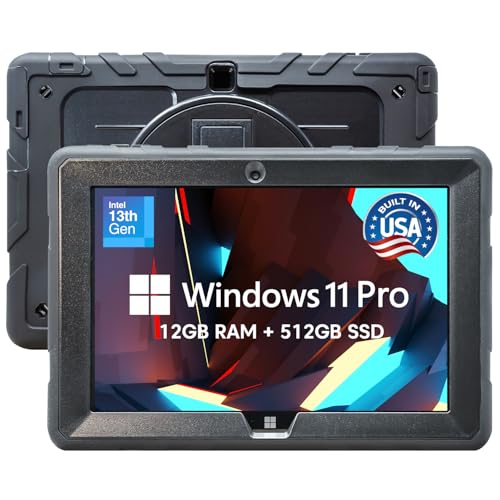
Fusion5 Built in USA 10.1” Windows 11 Professional Rugged Tablet PC - 12GB RAM, 512GB SSD, Intel 13th Gen, Full HD Windows Tablet Computer, HDMI, USB C - 2 Year Full Warranty with Accidental Damage
Proudly Assembled in Florida, USA: Each Fusion5 FWIN232 PRO N5 is meticulously assembled in Pasco County, Florida, ensuring...
As an affiliate, we earn on qualifying purchases.
Conclusion
Choosing the right data plan isn’t just about numbers; it’s about fitting your lifestyle. While unlimited plans promise freedom, they can come with hidden costs. Conversely, smaller plans might save money but limit your usage. It’s a balance—like a tightrope walk between affordability and necessity. By understanding your habits, you can avoid the pitfalls of overspending or being underprepared. Ultimately, the best plan is one that empowers you, not restricts you.

Apple iPad 11-inch: A16 chip, 11-inch Model, Liquid Retina Display, 128GB, Wi-Fi 6, 12MP Front/12MP Back Camera, Touch ID, All-Day Battery Life — Blue
WHY IPAD — The 11-inch iPad is now more capable than ever with the superfast A16 chip, a...
As an affiliate, we earn on qualifying purchases.

URAO Tablet,10.1" Android Tablet with Octa-core Processor 30GB RAM 128GB ROM HD IPS Touchscreen 8H Battery, Wi-Fi 6, BT 5.4, Dual Camera, Android 16 Tablets 2026
【High Performance】URAO Android tablet features the latest operating system Android 16 and an 2.0 GHz octa-core processor ensure...
As an affiliate, we earn on qualifying purchases.