
You might find yourself investing in outdoor gear or furniture that seems fun, like camping tents, stylish loungers, or portable stoves, but often these items end up collecting dust when plans fall through or weather doesn’t cooperate. They can quickly become clutter if you don’t use them regularly or maintain them properly. To avoid this, you’ll want to contemplate more practical and versatile options. Stay with us to discover how you can make smarter outdoor purchases that truly pay off.
Key Takeaways
- Camping gear like tents and sleeping bags often remain unused if weekend trips are canceled or plans change.
- Outdoor furniture purchased for seasonal relaxation can deteriorate and become neglected over time.
- High-cost outdoor equipment frequently gathers dust due to infrequent outdoor activities or lifestyle changes.
- Garden furniture and décor may lose appeal, leading to minimal or no outdoor use.
- Buying specialized outdoor gear for occasional use can result in unnecessary clutter and waste.

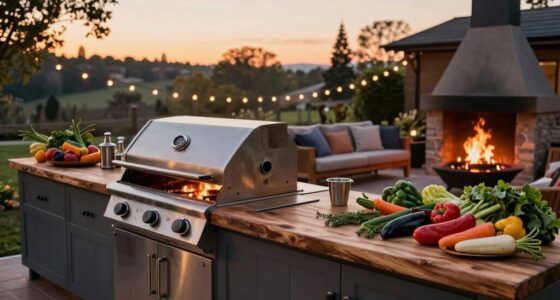
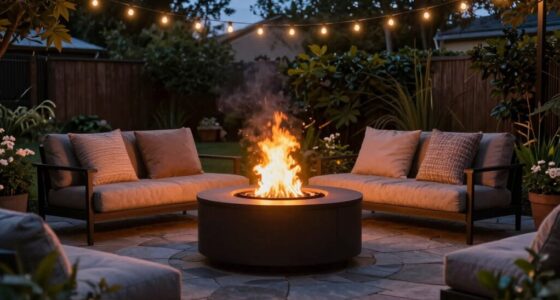
Many outdoor purchases end up gathering dust because they’re seldom used or quickly become obsolete. You’ve probably bought camping gear with visions of weekend adventures, only to find yourself too busy or weather-restricted to hit the trails. It’s tempting to invest in high-quality tents, sleeping bags, or portable stoves, but if you don’t get out as often as you’d hoped, these items become clutter rather than assets. The excitement of planning a trip fades, and suddenly, your camping gear sits untouched in the corner, taking up space and collecting dust. The same goes for garden furniture. You might picture yourself relaxing in a cozy outdoor setting, hosting barbecues, or enjoying peaceful mornings on a patio. But life gets busy, weather doesn’t cooperate, or you realize that maintaining outdoor furniture is more effort than it’s worth. Over time, those chairs and tables lose their appeal and become an eyesore.
You might think that investing in elaborate garden furniture will elevate your outdoor space, but if you rarely use it, it becomes a wasted expense. Plus, outdoor furniture exposed to the elements without regular care deteriorates faster, leading to rust, rot, or faded fabric. Instead of becoming a functional part of your outdoor lifestyle, it’s left to gather dust, serving as a reminder of plans that never materialized. Camping gear, similarly, often becomes a seasonal or occasional indulgence. You buy into the idea of spontaneous trips or weekend escapes, but when life gets hectic, those plans slip away, and the gear stays packed away or forgotten in storage. To make smarter purchases, it’s helpful to consider the environmental impact of your outdoor gear, as unnecessary items can contribute to waste and pollution. Being mindful of the lifecycle of your outdoor equipment can help you make more sustainable choices.
It’s easy to get caught up in the excitement of purchasing outdoor items, imagining the fun and relaxation they’ll bring. But if you don’t follow through, they turn into investments that serve little purpose. Before making these kinds of purchases, consider how often you’ll realistically use them. Think about storage space, maintenance, and your actual outdoor habits. Sometimes, the best choice is to rent or borrow gear when needed or opt for smaller, more versatile pieces that don’t require a long-term commitment. That way, you avoid ending up with unused, dust-collecting outdoor items that have lost their charm and purpose. Additionally, understanding the importance of biodiversity can inspire more mindful and sustainable outdoor practices, reducing unnecessary purchases and waste. Incorporating environmentally conscious habits can help prevent overconsumption and support ecological balance. Furthermore, choosing versatile gear that can serve multiple functions can maximize utility and reduce clutter. In the end, it’s smarter to buy only what you’ll genuinely enjoy and use regularly, rather than filling your space with stuff that gathers dust.

Tent 4 Person Tents for Camping – Instant Cabin Tent Setup in 50 Seconds with Rainfly & Windproof, Portable Pop Up Tents with Carry Bag for Family Outdoor Camping & Hiking
50-Second Setup & More Camping, Less Struggling: No poles drama here. With pre-attached poles and an instant setup…
As an affiliate, we earn on qualifying purchases.
As an affiliate, we earn on qualifying purchases.
Frequently Asked Questions
How Can I Prevent Outdoor Gear From Gathering Dust?
To prevent outdoor gear from gathering dust, you should practice regular gear maintenance and storage. Use camping hacks like clean and dry equipment thoroughly before storing, and keep gear in airtight containers or covered storage areas. Consider using dust covers or bags for tents, backpacks, and sleeping bags. Properly maintaining and storing your gear guarantees it stays in good condition, ready for your next adventure without collecting unnecessary dust.
What Are the Signs My Outdoor Equipment Is Unused?
You’ll notice your outdoor equipment is unused when camping hacks like stiff zippers, faded fabric, or rusted metal parts appear. For hiking essentials, check if your backpack feels stiff, or if your shoes have lost their grip. If your gear looks untouched, it’s time to use it more often. Regularly maintaining and testing your equipment helps prevent dust buildup and keeps it ready for your next adventure.
Are There Eco-Friendly Ways to Store Outdoor Items?
Yes, you can use eco-friendly ways to store outdoor items by choosing sustainable storage solutions like bamboo or recycled plastic bins. Look for recycling options for old or broken equipment to reduce waste. You might also consider repurposing items or creating a compostable storage area. These eco-friendly practices help minimize environmental impact while keeping your outdoor space organized, ensuring your storage methods are sustainable and planet-friendly.
How Often Should Outdoor Gear Be Cleaned?
Think of outdoor gear like a garden: regular maintenance keeps everything thriving. You should clean your outdoor gear at least once a season or after heavy use, depending on the item. Establish cleaning schedules and maintenance routines to prevent dirt and grime buildup, extending their lifespan. For gear exposed to the elements, more frequent cleaning helps maintain its functionality and appearance, ensuring you’re ready for your next adventure.
What Are Budget-Friendly Alternatives to Expensive Outdoor Gear?
To save money on outdoor gear, try DIY solutions or look for secondhand options. Use camping hacks like repurposing household items, and follow hiking tips to make do with less. Consider renting gear for short trips or borrowing from friends. Thrift stores often have affordable outdoor equipment, and online marketplaces can offer good deals. These budget-friendly alternatives help you stay prepared without breaking the bank.

Aoxun Aluminum Patio Furniture Set 7 Seats, Oversized Outdoor Sectional with Washable Thick Cushions, Coffee Table and Waterproof Cover, Patio Conversation Sets for Porch, Balcony, Deck
UPGRADED DESIGN FEATURES: Wider 26 inch seat and thicker 5 inch cushion compared to industry standard 24 inch…
As an affiliate, we earn on qualifying purchases.
As an affiliate, we earn on qualifying purchases.
Conclusion
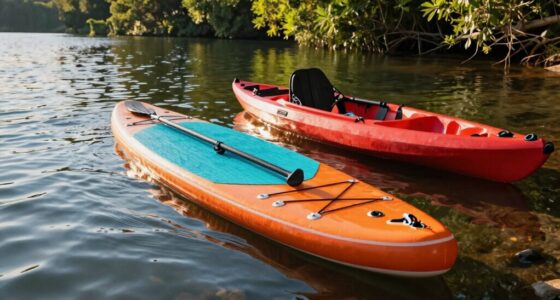
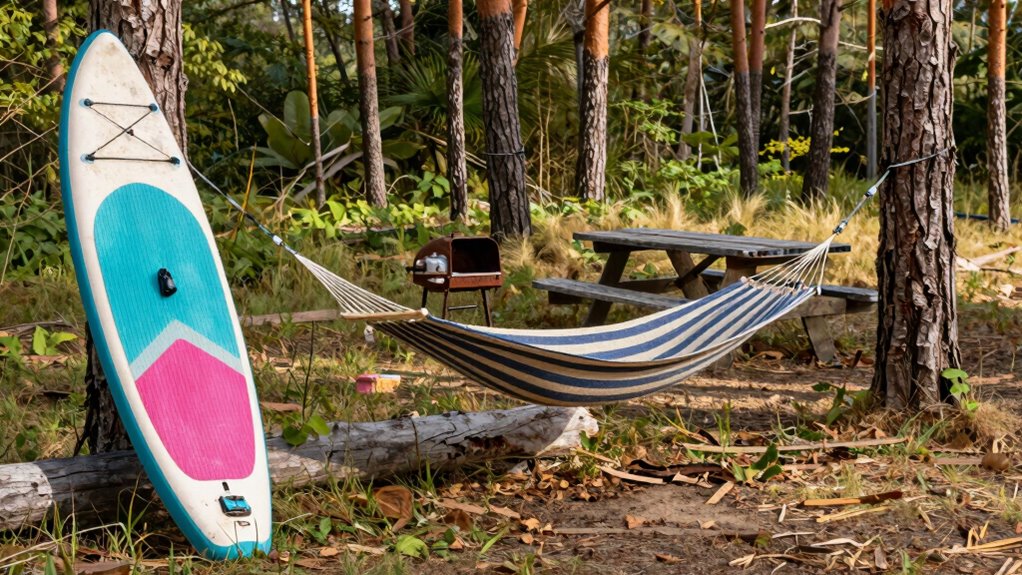
So, next time you’re tempted by shiny outdoor gear, picture it gathering dust in the corner, forgotten. Imagine the sun beating down on that neglected kayak, the rain pooling in the unused hammock, the rust creeping over the once-pristine grill. Don’t let your outdoor space turn into a museum of missed adventures. Instead, choose items that invite you outside—where you can breathe in fresh air, feel the sun, and create memories that truly matter.

AOTU Portable Camping Stoves Backpacking Stove with Piezo Ignition Stable Support Wind-Resistance Camp Stove for Outdoor Camping Hiking Cooking
1. the burner base is an integrated high-bright aluminum alloy, light weight, high strength; honeycomb high-temperature aluminum alloy…
As an affiliate, we earn on qualifying purchases.
As an affiliate, we earn on qualifying purchases.

Ostrich the Original Chaise 72 x 22 Inch Lounge Portable Reclining Lounger, Outdoor Patio, Beach, Lawn, Camping, or Pool Tanning Chair, Ocean Blue
Ultimate Luxury Lounging: Experience unparalleled comfort with our Ostrich Lounge Chaise featuring an open/close face cavity, arm slots,…
As an affiliate, we earn on qualifying purchases.
As an affiliate, we earn on qualifying purchases.